






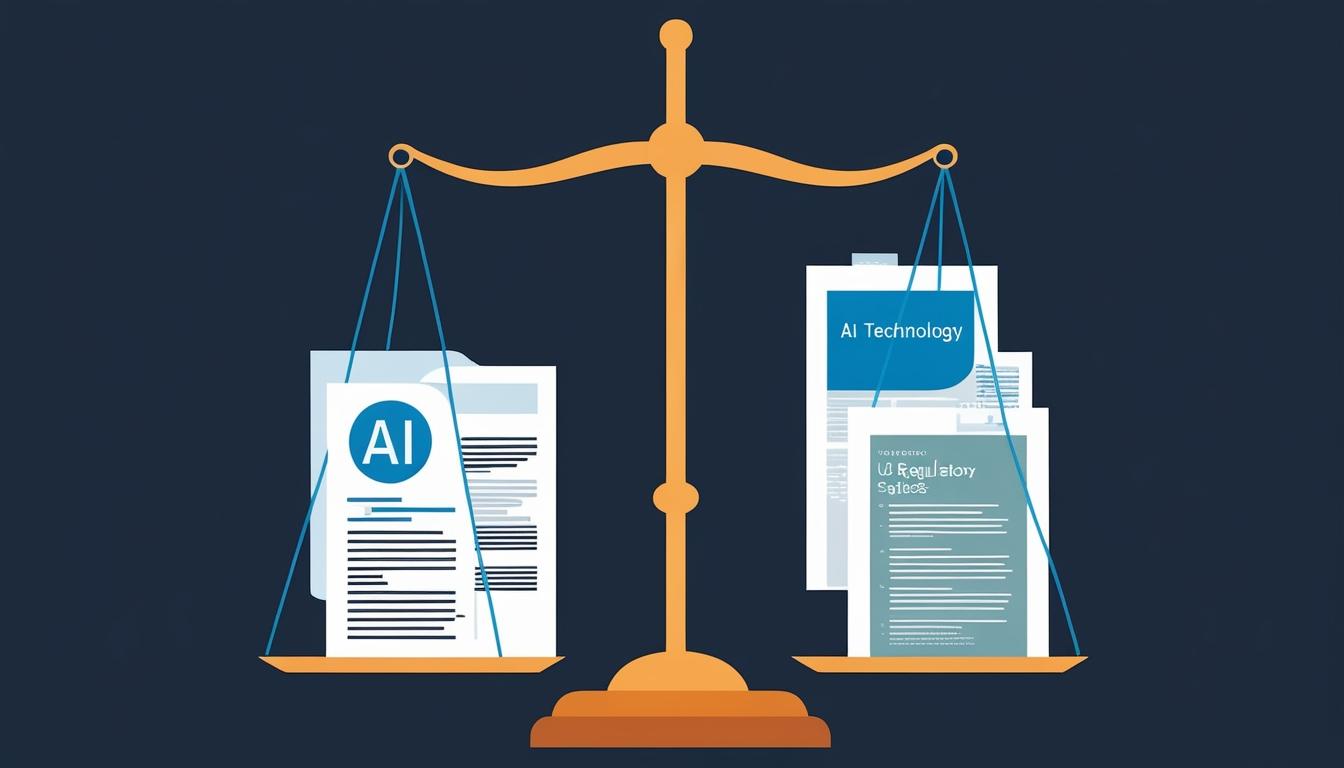
As the 2024 presidential election approaches, the debate over AI regulation intensifies, highlighting the contrasting views of Joe Biden’s oversight measures and Donald Trump’s calls for minimal regulation.
In the lead-up to the 2024 United States presidential election, artificial intelligence (AI) regulation has emerged as a pivotal issue that could shape the future of digital innovation and safety. The potential re-election of Donald Trump poses significant implications for the regulatory environment surrounding AI, raising concerns over the balance between innovation and safety.
As of October 2023, under President Joe Biden’s administration, an executive order was implemented, marking a move towards more stringent oversight and guidance for AI development. This executive action was designed to protect against the potential dangers of defective AI, such as misinformation and discrimination, while ensuring the reliability of algorithms used across sectors, including autonomous vehicles.
The controversial aspect of this executive order largely focuses on provisions intended to enhance the security and safety of AI technologies. Notably, the order mandates that developers of powerful AI models must report on their training methodologies and the safeguards they employ against tampering and theft. Additionally, the National Institute of Standards and Technology (NIST) was tasked with producing guidelines to aid companies in creating AI systems safe from cyber threats and devoid of biases.
In stark contrast, Donald Trump has positioned himself against these regulatory measures, labelling them as obstacles to innovation. He has vowed to repeal the executive order, arguing that it imposes what he describes as “Radical Leftwing ideas” on AI development. This view resonates with many of his supporters, including prominent figures such as Elon Musk, CEO of X, and venture capitalist Marc Andreessen, along with a significant number of Republican lawmakers and state attorneys general. Trump’s running mate, Ohio Senator JD Vance, has also articulated strong opposition to the regulation of AI, reflecting a broader Republican sentiment favouring minimal regulation.

Supporters of Trump’s stance argue that the executive order could stifle innovation and hinder America’s competitive edge in the global digital landscape, particularly vis-à-vis China. They believe that the current regulatory approach could deter advancements within the technology sector, impacting the nation’s digital leadership.
However, experts in technology and cybersecurity warn that revoking the provisions related to safety and security could have detrimental implications for the reliability and ethical deployment of AI technologies. These experts underscore that without adequate oversight, AI could become an unpredictable force, fundamentally affecting various facets of everyday life including transportation, healthcare, and surveillance.
As the election approaches, discussions around AI regulation illustrate a larger debate over the future of technology in America. The outcome could define whether AI will be harnessed as a tool for unprecedented productivity or if it becomes an unchecked power with potentially chaotic consequences. The decision taken by voters may chart the course for the relationship between AI innovation and governmental oversight in the years to come.
Source: Noah Wire Services







