









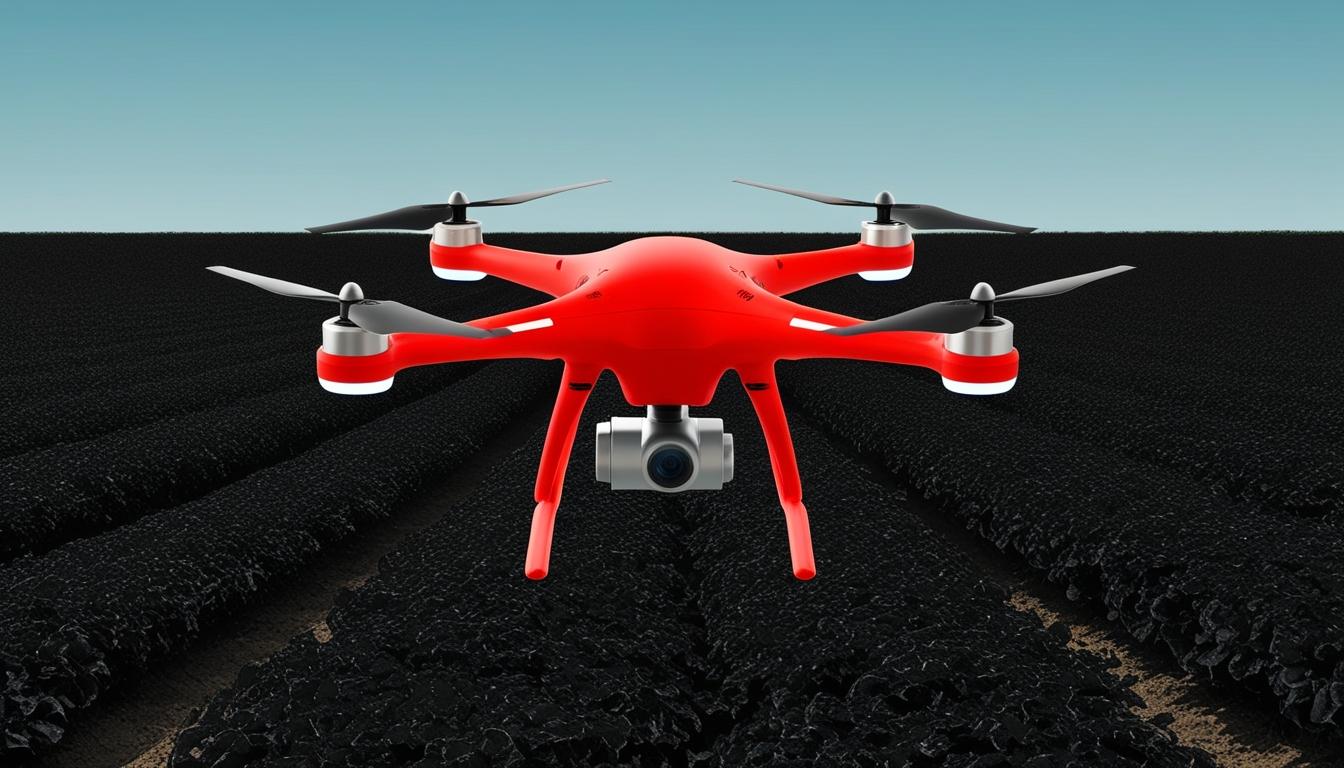
Innovative ag-tech solutions are reshaping the agricultural sector, addressing labour shortages and enhancing productivity while promoting sustainability in farming practices.
Agricultural technologies (ag-tech) are increasingly becoming vital in addressing labour shortages and enhancing productivity within the global agricultural sector. Innovations such as drones and robotics are now widely utilized across various countries to perform repetitive and physically demanding tasks, thereby allowing the workforce to pivot to more skilled roles, such as data analysis and farm management. This technological transformation is being supported by government policies that offer crucial funding and incentives for farmers to modernize their operations, including the USDA’s Farm Bill in the United States and the EU’s Common Agricultural Policy (CAP).
Chad Biegler, Precision Product Manager for Crop Protection at CNH, highlighted in a recent discussion that ag-tech innovations not only improve labour efficiency but also contribute to environmental sustainability. These technologies enable reduced chemical overuse, lower soil disturbance, and more efficient water use, making them scalable solutions for farms of all sizes grappling with labour shortages. CNH’s technologies, including Sense and Act technology, utilise real-time data to enhance the precision of input applications, reducing the need for labour while ensuring resources are applied accurately.
Numerous countries are committing to research and development in ag-tech to address the challenges posed by labour shortages. For instance, Australia is fostering collaboration between tech companies and the agricultural sector to develop automated solutions for broadacre farming. Canada is focused on training agricultural workers through the Agri-Food Immigration Pilot, whilst the U.S. is enhancing connectivity with programmes such as the Broadband ReConnect Initiative, which is crucial for data-driven agricultural practices. The European Union’s Green Deal and the UK’s Agriculture Act are also noteworthy as both advocate for precision agriculture and sustainable technologies. These efforts demonstrate a global movement towards modernizing agriculture and improving efficiency through technological integration.
Nevertheless, the widespread adoption of ag-tech solutions is faced with several challenges, including high initial costs, insufficient infrastructure, and a lack of skilled technicians capable of servicing advanced agricultural equipment. In developing nations particularly, access to capital is limited, making it difficult for farmers to invest in new technology, despite its potential to improve long-term efficiency. In more developed regions, the high cost of cutting-edge solutions can be prohibitive for smaller farms operating with tight margins. Additionally, economic uncertainties, like fluctuating commodity prices and changing trade policies, can lead to hesitation in making substantial technological investments.
Drones and precision farming technologies are significantly influencing crop yield and efficiency. The implementation of Variable Rate Application (VRA) systems enables farmers to apply fertilisers, pesticides, and other inputs precisely where they are needed, contributing to cost savings and improved crop performance. By ensuring timely interventions based on data collected from drones and sensors, CNH’s Sense and Act technology is designed to enhance production outcomes.
Countries facing labour shortages are increasingly adopting hybrid farming models, blending traditional practices with advanced technologies. This strategic integration is aimed at achieving greater productivity and sustainability without abandoning the agricultural heritage that many regions value. As such, CNH is offering a range of adaptable automated tools designed to support farmers in their transition to modern agricultural practices.
Cultural attitudes towards agricultural technology vary globally, influencing how and when technologies are adopted. In more industrialised regions, there is a general acceptance of technology to enhance efficiency and reduce environmental impacts. Conversely, some areas remain hesitant, fearing costs, job losses, or a disruption of traditional farming methods. This scepticism is often more pronounced in labour-centric economies but may shift as the necessity of technology in overcoming challenges like climate change becomes evident.
Specific crops, particularly large-scale row crops, are benefiting more from these technological advancements. The focused approach to precision farming allows these crops to adapt efficiently to input management demands, leading to significant improvements in yield and reductions in labour costs. CNH’s precision technologies are especially effective for these sectors, aligning well with the ongoing strategies in modern agriculture aimed at sustainability and profitability.
The ag-tech landscape is rapidly evolving, driven by a combination of necessity and opportunity across the globe, and the ongoing advancements in automation are set to redefine the future of agriculture.
Source: Noah Wire Services
- https://www.croptracker.com/blog/agricultural-automation-are-robots-the-answer-to-farm-labor-shortages.html – Corroborates the use of automation in agriculture to address labor shortages, reduce labor costs, and increase productivity.
- https://www.escatec.com/blog/4-ways-agtech-is-solving-labour-shortages-in-the-farming-industry – Supports the role of agtech in solving labor shortages through technologies like robotic harvesting, precision agriculture, and automated irrigation.
- https://www.edengreen.com/blog-collection/farm-labor-crisis – Highlights the farm labor crisis in the United States, the impact on food production, and the use of technology to fill labor gaps.
- https://www.croptracker.com/blog/labor-shortages-in-agriculture-the-trends-and-solutions – Discusses the historical trends and current challenges of labor shortages in agriculture, and the role of technology in addressing these issues.
- https://www.escatec.com/blog/4-ways-agtech-is-solving-labour-shortages-in-the-farming-industry – Mentions the challenges to adoption of agtech, including high initial costs and lack of standardization, and the need for a ‘just transition’ in the industry.
- https://grist.org/food-and-agriculture/more-farms-are-turning-to-automation-amid-labor-shortages/ – Supports the use of automation in agriculture to manage costs, protect workers, and improve yields, despite challenges faced by small farmers.
- https://www.croptracker.com/blog/agricultural-automation-are-robots-the-answer-to-farm-labor-shortages.html – Explains how agtech innovations contribute to environmental sustainability by reducing chemical overuse, soil disturbance, and water usage.
- https://www.escatec.com/blog/4-ways-agtech-is-solving-labour-shortages-in-the-farming-industry – Details global efforts in agtech, such as Australia’s collaboration between tech companies and agriculture, and Canada’s Agri-Food Immigration Pilot.
- https://grist.org/food-and-agriculture/more-farms-are-turning-to-automation-amid-labor-shortages/ – Highlights the importance of government initiatives like the Broadband ReConnect Initiative in the U.S. for data-driven agricultural practices.
- https://www.croptracker.com/blog/labor-shortages-in-agriculture-the-trends-and-solutions – Discusses the adoption of hybrid farming models that blend traditional practices with advanced technologies to achieve greater productivity and sustainability.
- https://www.escatec.com/blog/4-ways-agtech-is-solving-labour-shortages-in-the-farming-industry – Addresses cultural attitudes towards agricultural technology and the varying levels of acceptance globally, particularly in industrialized versus labor-centric economies.






