






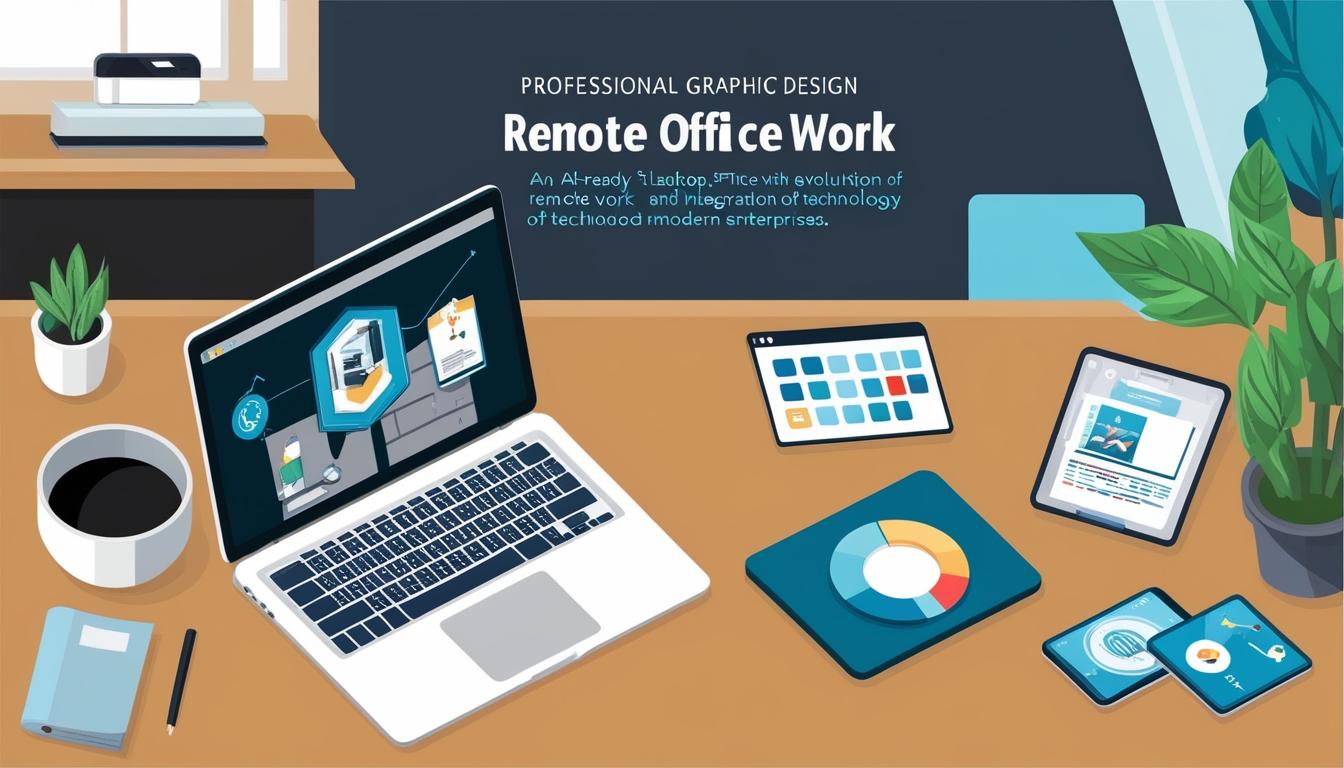
As businesses adapt to new technological demands, the refresh cycle for enterprise devices is evolving, highlighting the role of AI and the need for digital skills development.
The Impact of AI on Enterprise Device Refresh Cycles
As organisations worldwide continue to adapt to a rapidly evolving technological landscape, the refresh cycle for enterprise device portfolios is undergoing significant transformation. Typically, businesses update their hardware every four years. However, the COVID-19 pandemic spurred an unexpected acceleration in this cycle, with companies urgently acquiring devices suited for a predominantly remote workforce. Now, four years on, businesses find themselves at a pivotal juncture as they reassess their technological needs in an altered work environment.
Key Changes in the Business Landscape
The workplace of today has diverged considerably from pre-pandemic expectations, exhibiting three major trends:
-
Remote and Hybrid Work Models: Companies are increasingly adopting flexible working models, necessitating devices that are both powerful and portable. Employees need technology that allows seamless transition between home and office environments.
-
Operating System Transitions: With Microsoft ending support for Windows 10 in October 2025, firms are contemplating investments in virtualization technologies or upgrading to devices compatible with Windows 11.
-
AI Integration: Artificial intelligence is reshaping professional workflows, driving demand for devices that can support sophisticated AI applications. Businesses must ensure their technology is prepared for AI advancements to maintain competitiveness.
The Financial and Strategic Challenges
Enterprises must manage finite budgets for device upgrades, which are unlikely to be refreshed for another four-year cycle. Consequently, organisations need to balance immediate technological requirements with future-proofing considerations to avoid premature upgrades and financial strain. Investing in AI-ready PCs, designed to leverage AI tools effectively, could be a critical factor in achieving this balance.
The Role of AI PCs
AI PCs represent a forward-looking investment for businesses aiming to stay competitive. These devices are engineered to handle AI-powered tools smoothly, providing employees with the agility and resources needed for remote work. Traditional PCs might impede an organisation’s ability to fully exploit AI, risking employee disengagement and potential out-of-cycle upgrades.
Empowering Employees through AI
Recent research by Microsoft titled ‘The AI + Talent Equation’ reveals a significant factor driving employee retention is the provision of opportunities to develop digital skills. The report indicates that 60% of employees intent on changing employers would reconsider if offered more skill development in AI. In turn, younger employees, particularly Gen Z, demonstrate a proactive approach to securing roles that enhance their AI proficiency, with many considering job changes to align with this objective.
Bridging the Digital Skills Gap
As AI tools become integral to operations, skill development is critical. Many employees, however, lack the confidence to utilise AI effectively, impacting their engagement and performance. Enterprises face the substantial task of equipping their workforce with the requisite AI skills through training and education.
Strategies for AI Integration in Businesses
For businesses and employees to harness AI’s potential, aligning technology with skills and company culture is imperative. Organisations can support this integration by:
- Offering comprehensive training programmes that bolster confidence in using AI.
- Encouraging a culture of experimentation and innovation, facilitating inter-departmental AI collaborations.
- Collaborating with HR and executive teams to underline technology’s role in talent retention.
Ultimately, as AI continues to redefine work environments, the necessity for AI-ready devices and the encouragement of digital skill acquisition become paramount. While the rapid technological shifts pose challenges, they also provide opportunities for businesses to enhance productivity and employee satisfaction, cultivating a future-ready workforce.
Source: Noah Wire Services







