






The integration of artificial intelligence and automation technologies is set to reshape business operations, enhancing efficiency and sustainability in supply chains.
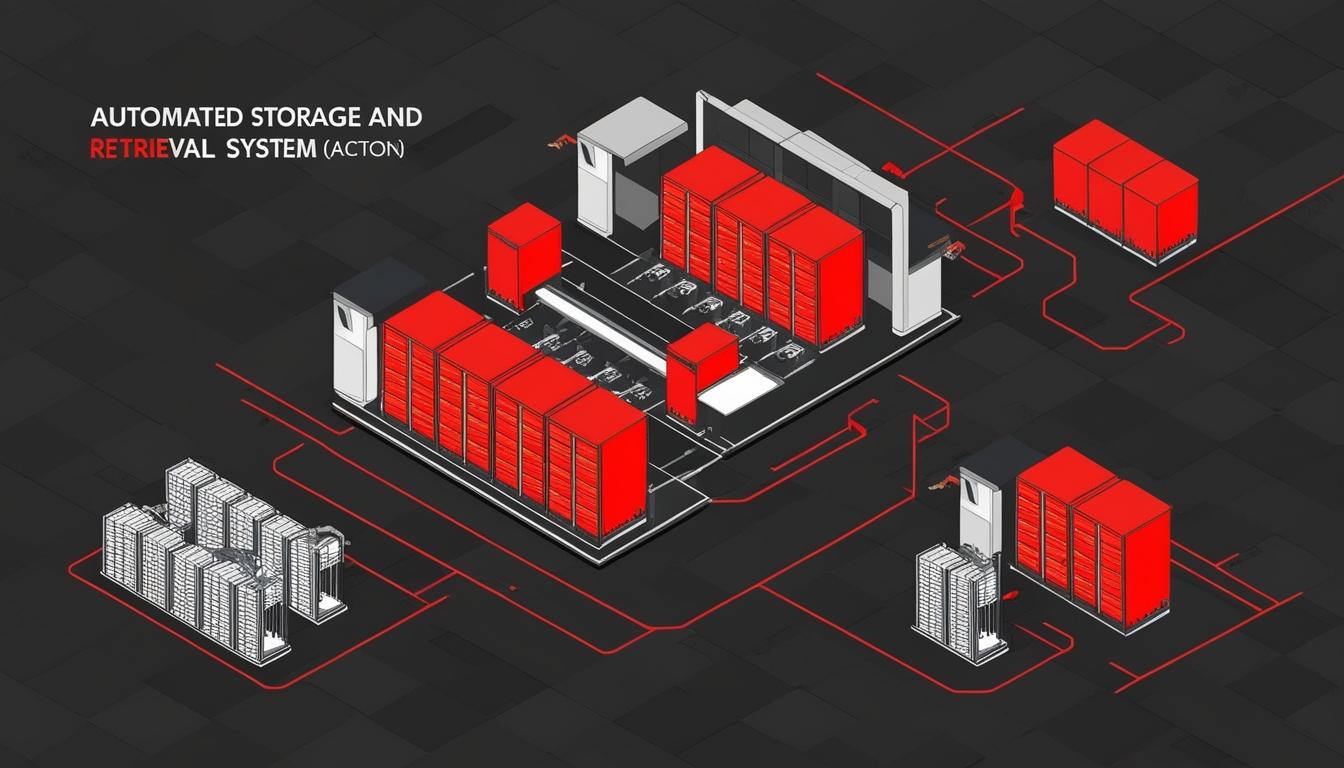
The global landscape of artificial intelligence (AI) automation is poised for a transformative shift, particularly in the realm of business operations. Industry experts have forecast remarkable growth in the utilisation of technologies that automate processes, with notable advancements expected in the coming years. As companies increasingly look to enhance operational efficiency and employee safety, automation technologies, such as robotic process automation (RPA), machine learning, and automated storage and retrieval systems (ASRS), are emerging as key players in reshaping the way businesses interact with their supply chains and manage their resources.
The current state of consumer demand and the complexity of supply chains are driving organisations to seek innovative solutions capable of boosting productivity while maintaining acceptable safety standards at the workplace. Automating core functions enables businesses to respond adaptively to fluctuating market conditions, helping them optimise operations. For instance, as reported by industry experts, the ASRS market alone is projected to expand from approximately $9 billion USD in 2023 to around $15 billion by 2032, indicative of a growing acceptance among companies in various sectors to invest in automated systems.
Central to the appeal of ASRS is its capability to streamline operations. Unlike traditional warehousing practices that often rely heavily on manual labour for tasks such as picking, packing, and storage, ASRS technology employs automated cranes and shuttles that can execute these operations with heightened speed and efficiency. This not only accelerates order fulfilment but also maximises storage capacity through optimal space utilisation—a crucial advantage in an environment where real estate costs are significant. The reduction in manual handling also results in fewer errors, thereby improving accuracy in order processing, essential for maintaining customer satisfaction and minimizing costs associated with returns.
In the face of ongoing labour shortages exacerbated by demographic trends and shifts in job market expectations, ASRS technologies offer a strategic solution. They reduce the dependency on human labour by performing repetitive tasks autonomously, allowing human workers to allocate their efforts toward more value-adding activities. Furthermore, these systems can bolster workplace safety by managing hazardous handling and lifting tasks, addressing concerns around workplace injuries.
The need for adaptability in supply chains cannot be overstated. Companies require solutions that can scale in response to changing demand without necessitating extensive infrastructure alterations. ASRS systems exhibit a significant degree of modularity, readily adjustable to accommodate fluctuations in inventory levels and order volumes. This flexibility is especially crucial during peak seasons, where rapid reconfiguration can enhance throughput efficiency.
As organisations increasingly prioritise eco-conscious practices, sustainability has become integral to supply chain strategies. Automated solutions such as ASRS contribute to sustainability efforts by optimising resource usage and minimising the carbon footprint associated with extensive warehousing operations. With energy-efficient features, such systems support environmental initiatives while enhancing operational effectiveness.
The integration of ASRS with emerging technologies amplifies its benefits. By leveraging advanced AI capabilities, companies can employ predictive analytics for maintenance, optimise real-time monitoring of operations, and facilitate informed decision-making. Such integrations are anticipated to enhance the overall performance and adaptability of automated systems, ensuring continued alignment with evolving business needs.
As the marketplace confronts increasing complexity and rapid shifts in consumer behaviour, the focus on automation as a means of driving innovation and resilience remains prevalent. The ongoing evolution of technology in the sphere of automation reflects a significant trend that promises to not only redefine operational practices but also set new benchmarks for efficiency and productivity within the global supply chain. As organisations navigate these advancements, the full impact of AI automation on business practices—encompassing operational efficiency, accuracy, scalability, labour dynamics, sustainability, and technological integration—will continue to unfold, shaping the future of industry standards.
Source: Noah Wire Services
- https://explodingtopics.com/blog/ai-statistics – Corroborates the forecasted growth in AI utilization, including the expansion of the AI market and its impact on business operations.
- https://www.venasolutions.com/blog/ai-statistics – Supports the adoption of AI in various industries, including its role in streamlining operations and enhancing customer value.
- https://www.flowforma.com/blog/business-process-automation-statistics – Provides statistics on the growth of process automation, including the integration of AI in business workflows and the benefits of automation in sectors like energy.
- https://taskdrive.com/sales/ai-statistics/ – Details the projected growth of the AI market, AI adoption statistics, and the impact of AI on various business operations, including supply chain management.
- https://www.venasolutions.com/blog/ai-statistics – Highlights the use of AI in manufacturing, including predictive maintenance and automated tasks, which align with the benefits of ASRS technology.
- https://www.flowforma.com/blog/business-process-automation-statistics – Discusses the challenges and benefits of business process automation, including the role of AI in enhancing operational efficiency and workplace safety.
- https://connect.comptia.org/blog/artificial-intelligence-statistics-facts – Provides insights into the current state of AI adoption, including its use in improving business operations, cybersecurity, and customer relationship management.
- https://explodingtopics.com/blog/ai-statistics – Mentions the growth of the AI market and its projected impact on the global economy, which supports the trend of increasing investment in automated systems.
- https://www.venasolutions.com/blog/ai-statistics – Explains how AI is transforming the SaaS industry, which includes the integration of AI in various business operations and the benefits of such integrations.
- https://taskdrive.com/sales/ai-statistics/ – Details the use of AI in enhancing customer relationships and improving operational efficiency, which is crucial for supply chain management and ASRS systems.
- https://connect.comptia.org/blog/artificial-intelligence-statistics-facts – Highlights the importance of AI in sustainability efforts and its role in optimizing resource usage, aligning with the environmental benefits of ASRS technology.







