







Plymouth Marine Laboratory is advancing AI technologies to tackle marine pollution, monitor biodiversity, and support carbon dioxide removal projects amidst global environmental challenges.
Plymouth Marine Laboratory (PML) has made significant strides in the field of artificial intelligence (AI) and its application to marine environmental research. This progress comes against a backdrop of pressing global challenges such as climate change and the urgent need for innovative solutions to manage and protect marine ecosystems.
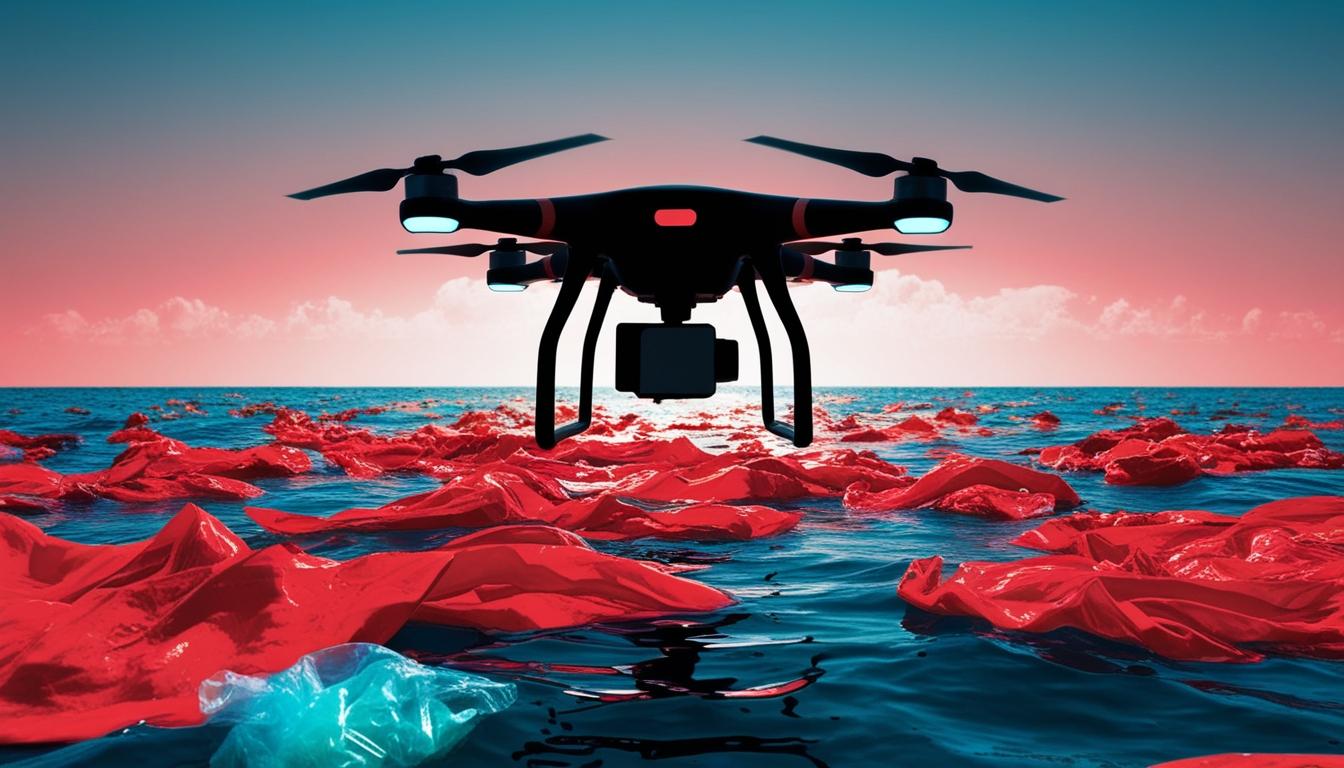
In a recent update, Professor Icarus Allen, Chief Executive of PML, noted the laboratory’s advancements in AI technologies that specifically aim to enhance monitoring of ocean health. One of the notable developments includes creating AI algorithms capable of detecting floating plastic litter on the sea surface using drone footage. This capability offers potential for a fast, cost-effective, and uncomplicated method of identifying marine pollution.
Additionally, PML has turned its focus to the invasive Pacific oyster, training AI systems to locate and monitor this species along the U.K. coastline. These innovations are part of a broader strategy to leverage AI for environmental applications, particularly in the monitoring of biodiversity and harmful algal blooms (HABs). PML’s integration of in-water imaging systems combined with machine learning techniques allows for rapid identification and classification of plankton species, significantly improving data collection and analysis in marine environments.
Beyond pollution monitoring, PML is also playing a decisive role in carbon dioxide removal projects via ocean methods. The SeaCURE project—a partnership with the University of Exeter, Brunel University, and SEA LIFE Centre in Weymouth—is developing a pilot plant scheduled for operational status in early 2025. The SeaCURE system aims to remove CO2 from seawater, facilitating its release back into the ocean while maintaining ecological balance.

PML’s efforts also extend to the assessment of offshore renewable energy initiatives, with research highlighting the contrasting impacts of wind farm developments. During the construction phase, negative impacts on marine life were prevalent, although operational wind farms showed a more balanced effect, subject to site conditions.
A recent collaboration between PML and Planetary Technologies further exemplifies PML’s commitment to environmental science. The independent monitoring of a pilot ocean carbon dioxide removal trial demonstrated how adding magnesium hydroxide to wastewater can enhance its capacity to absorb atmospheric CO2.
Alongside these developments, PML has introduced a pioneering framework for Climate-Smart Marine Spatial Planning (CSMSP). This approach seeks to manage conflicting marine user demands while addressing climate effects, ensuring long-term benefits for conservation and economic activities in the U.K.’s marine environments.
With funding secured for the Marine Spatial Planning Addressing Climate Effects (MSPACE) project, PML is set to work closely with sector end-users to develop climate-adaptive strategies for marine management. Furthermore, the laboratory has signed a memorandum of understanding with Seabed 2030 to enhance collaboration in ocean mapping and support the United Nations Ocean Decade initiative.
As part of the National Centre for Coastal Autonomy in Plymouth, PML is also enhancing its marine research capabilities through the Smart Sound Connect Subsurface network. This innovative underwater communication system will allow for an integrated research environment, incorporating underwater, surface, and aerial platforms to bolster oceanographic studies.
Looking ahead, PML is poised to deploy an advanced suite of automatic imaging devices and marine monitoring technology by spring 2025, positioning itself as a leader in marine science research globally. The laboratory’s ongoing dedication to automating marine monitoring presents a comprehensive strategy for better understanding and managing the ocean’s vital resources and ecosystems.
Source: Noah Wire Services
- https://www.youtube.com/watch?v=Y3LP9H9DcYE – This video highlights PML’s use of AI and machine learning in monitoring ocean health, including detecting harmful algal blooms and identifying invasive species like the Pacific oyster.
- https://www.pml.ac.uk – This website provides an overview of PML’s mission, values, and research areas, including their work on marine ecosystems, climate change, and biodiversity.
- https://www.pml.ac.uk – PML’s website details their projects such as DEAL, LandSeaLot, and C-BLUES, which are focused on automated image analysis, land-sea interface monitoring, and carbon sequestration in blue ecosystems.
- https://www.plymouth.ac.uk/study/research-degrees/postgraduate-research-studentships/phd-studentship-with-marine-research-plymouth-three-available-topics – This page describes a PhD studentship opportunity involving AI and advanced computer vision for monitoring underwater ecosystems, reflecting PML’s commitment to innovative marine research.
- https://www.pml.ac.uk – PML’s website discusses their integration of in-water imaging systems and machine learning techniques for rapid identification and classification of plankton species.
- https://www.pml.ac.uk – The website mentions PML’s involvement in carbon dioxide removal projects, such as the SeaCURE project, which aims to remove CO2 from seawater.
- https://www.pml.ac.uk – PML’s research on offshore renewable energy initiatives, including the impacts of wind farm developments on marine life, is detailed on their website.
- https://www.pml.ac.uk – The collaboration between PML and Planetary Technologies on ocean carbon dioxide removal trials is mentioned, highlighting the use of magnesium hydroxide to enhance CO2 absorption.
- https://www.pml.ac.uk – PML’s framework for Climate-Smart Marine Spatial Planning (CSMSP) and their work on the Marine Spatial Planning Addressing Climate Effects (MSPACE) project are outlined on their website.
- https://www.pml.ac.uk – The laboratory’s partnership with Seabed 2030 and their involvement in the United Nations Ocean Decade initiative are discussed on the PML website.
- https://www.pml.ac.uk – PML’s enhancement of marine research capabilities through the Smart Sound Connect Subsurface network and their plans for deploying advanced marine monitoring technology are detailed on their website.







