






During a recent earnings call, Mark Zuckerberg shared his vision for the future of social media, highlighting the anticipated rise of AI-generated content and its implications for user experience and creativity.
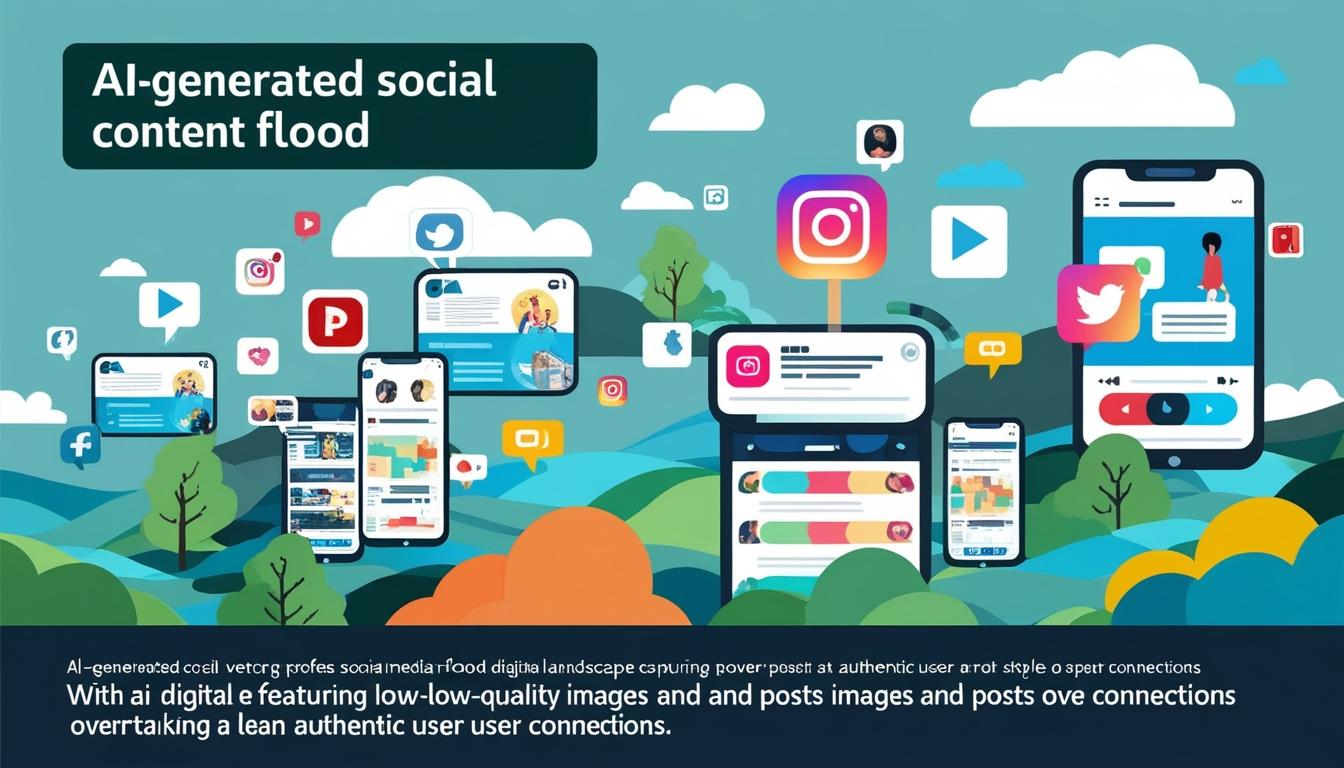
Mark Zuckerberg, CEO of Meta, recently outlined his vision for the future of social media during a third-quarter earnings conference call, forecasting a rise in AI-generated content on platforms like Facebook and Instagram. This anticipated shift comes as AI-generated posts and images, sometimes dubbed “AI slop” due to their low quality, have already started to appear more frequently on social media, affecting the user experience.
During the earnings call, Zuckerberg described this trend as a natural progression in the evolution of social media algorithms. Initially, platforms were designed to curate content based on user connections—showcasing updates from friends and family, known as the “connected” algorithm. This model eventually evolved into an engagement-based algorithm, prioritising content from influencers and creators tailored to user interests through complex data signals. Now, AI-generated content is poised to become the next focal point in this progression.
Zuckerberg expressed his belief that AI-driven content creation will emerge as a significant category on platforms such as Facebook and Instagram over the coming years. This development could even extend to other Meta-owned services like Threads. The company is already advancing in this direction, utilising its Llama large language model, which is central to the Meta AI chatbot that currently serves over 500 million users monthly.
Meta is actively experimenting with AI-integrated content feeds, exploring various approaches to find the most effective integrations. Despite not having finalised a successful model, early tests have shown potential. As part of this initiative, Zuckerberg noted that the Llama model would increasingly contribute to Meta’s offerings for businesses and advertisers.

Concerns have been raised regarding the surge of AI-generated content, especially as it could soon dominate social media feeds. Some researchers posit that by 2026, up to 90% of social media content could be AI-generated. This raises questions about the authenticity of content on these platforms, with the potential for AI to artificially construct or misrepresent events through both audio and visual media.
There are further implications for human creativity. The increasing prevalence of AI-generated content presents challenges for artists, writers, and other traditional content creators, questioning their future role and the nature of creativity in a digital landscape heavily influenced by algorithms capable of rapid and large-scale content production.
This evolving landscape prompts reflection on how users will discern authentic content and the implications for personal expression in digital spaces largely populated by machine-generated material. As Meta continues to explore this terrain, the social media environment may soon undergo significant foundational changes, reshaping both user engagement and content creation.
Source: Noah Wire Services







