






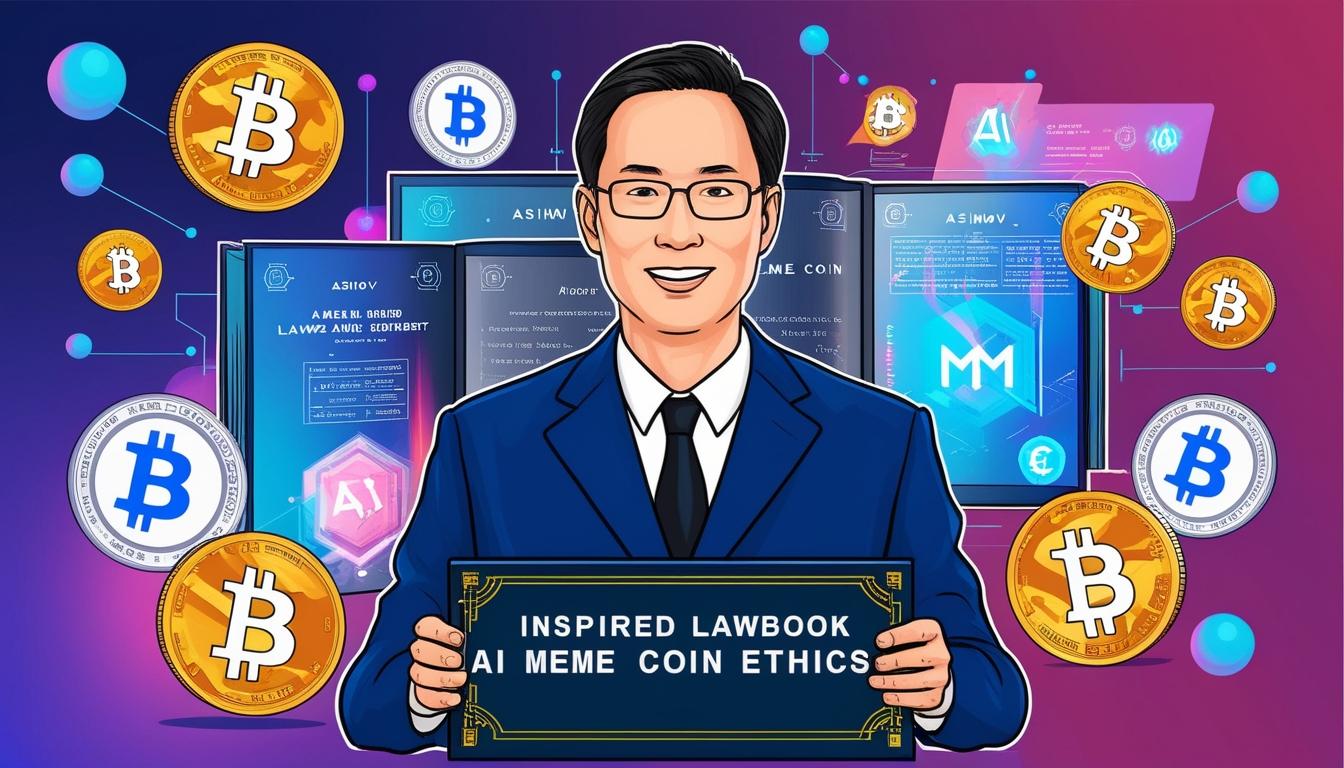
Justin Sun introduces ethical guidelines for AI-generated memecoins, adapting Asimov’s robotics principles to address the challenges in the cryptocurrency sector.
Justin Sun Unveils “The Asimov Three Laws of AI Meme Coin Ethics” Amid Rising Popularity of AI-Generated Memecoins
Industry figure and founder of the Tron blockchain network, Justin Sun, has introduced what he terms “The Asimov Three Laws of AI Meme Coin Ethics.” These guidelines aim to bring ethical considerations to the burgeoning trend of AI-powered memecoins within the cryptocurrency sector. Sun’s innovation draws inspiration from the famed science fiction writer Isaac Asimov’s Three Laws of Robotics, repurposing them to fit the context of digital currencies.
Memecoins have grown to become a significant component of the cryptocurrency landscape. Originally inspired by internet memes, these digital tokens often garner substantial community attention and, occasionally, market value. Sun’s guidelines come at a time when AI technologies are beginning to play an increasingly prominent role in the creation and management of these coins.
The Three Laws as Proposed by Justin Sun
-
Prohibition of Harmful Profit-Motivated Creation and Dumping: The first law stipulates that “an AI may not create and then dump an AI meme coin, or seek profit for itself, if such actions would harm human interests.” This provision addresses concerns about scams that have been prevalent in the digital currency ecosystem, especially regarding memecoins.
-
Compliance with Human Governance: Sun’s second law asserts that “an AI must comply with human governance of meme coins, except where such governance would conflict with the First Law.” This echoes concerns about the current governance structures surrounding memecoins, which have shown vulnerabilities.
-
Protection of AI Meme Projects’ Existence: The third law states that “an AI must protect AI meme projects’ own existence, as long as such protection does not conflict with the First or Second Law.” This rule is intended to ensure the sustainability and integrity of AI-created memecoin initiatives.
In announcing these laws, Sun also raised awareness about the potential and risks associated with the evolving domain of AI and cryptocurrency. His involvement is seen as a move to bolster trust within Tron’s own memecoin ecosystem.
The Evolution of Memecoins with AI
The integration of AI in the memecoin sector signifies an innovative twist within the blockchain community, traditionally associated with decentralised finance and encrypted transactions. Notably, AI’s ability to autonomously create memecoins has opened new frontiers for experimentation, as exemplified by the venture Truth Terminal, which amassed a $1 million profit from an initial $50,000 investment in creative coins like Fartcoin and GOAT.
While Sun’s guidelines aim to infuse ethical considerations into this burgeoning field, how these principles will be received and adhered to by the crypto community remains to be seen. His efforts highlight the need for caution and regulatory frameworks as AI continues to play a role in shaping the future of digital currencies.
As memecoins continue to gain traction, platforms such as Solana, Ethereum, and Base stand out alongside Tron in fostering active meme ecosystems. This trend coincides with broader discussions around blockchain and cryptocurrencies, urging for thoughtful frameworks that can adapt to innovations yet to unfold.
Meanwhile, Sun’s propositions have captured the attention of both critics and supporters, setting a benchmark for conversations about AI’s role in financial technology. The response from within the Tron ecosystem and beyond will likely shape the dialogue on ethical practices in digital currency in the years to come.
Source: Noah Wire Services







