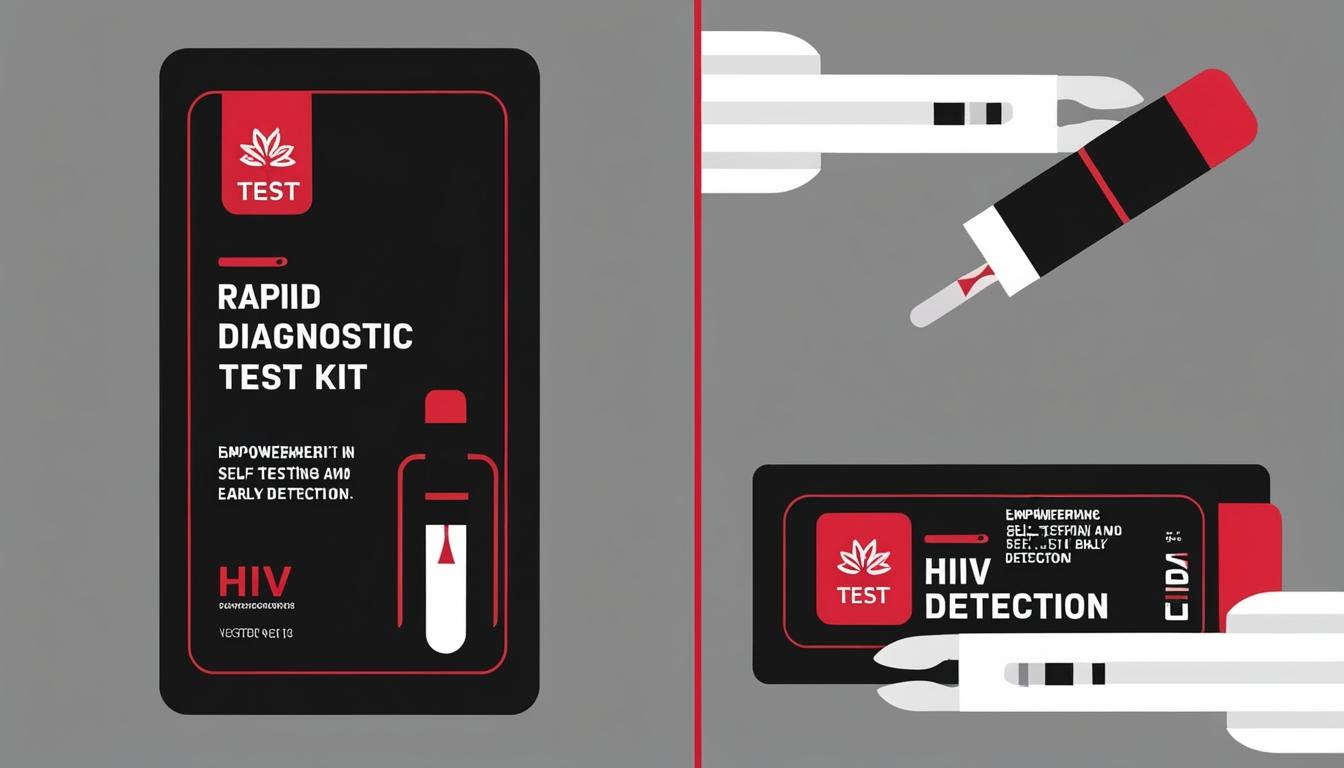

World AIDS Day highlights crucial advancements in HIV detection and treatment as innovative technologies improve accessibility and efficacy.
World AIDS Day serves as a pivotal platform to highlight the relentless efforts needed to combat HIV/AIDS, emphasising the urgent need for innovation in prevention, detection, and treatment. As of December, advancements in technology are redefining the landscape of HIV diagnostics, making them quicker, more accessible, and more precise, which is vital for controlling the spread of the virus and ensuring timely intervention. Dr Swati Rajagopal, a Consultant in Infectious Disease and Travel Medicine at Aster CMI Hospital in Bangalore, underscores the importance of early detection in managing HIV and stresses that individuals diagnosed early with antiretroviral therapy (ART) can achieve life expectancies comparable to those without the virus.
One of the significant innovations in HIV testing is the introduction of Rapid Diagnostic Tests (RDTs). These modern tests can detect HIV antibodies or antigens within minutes and are particularly beneficial in low-resource settings. By enabling healthcare workers to conduct tests on-site—be it in rural clinics or urban outreach locations—RDTs significantly enhance testing accessibility and speed.
In addition, self-testing kits have emerged as a transformative approach, allowing individuals to take charge of their health. These easy-to-use kits require only a finger-prick blood sample or oral fluid to detect HIV antibodies, eliminating the necessity of visiting a clinic. This not only addresses the stigma associated with HIV testing but also empowers more people to know their status.
The integration of Artificial Intelligence (AI) into HIV diagnostics is another noteworthy advancement. AI-powered algorithms are being implemented to enhance the accuracy and efficiency of diagnostic tools. For instance, mobile applications that incorporate AI can analyse health data and provide risk assessments, urging high-risk individuals who might not visit healthcare facilities to get tested. Such innovations are particularly beneficial for reaching underserved populations, where access to healthcare resources is often limited.
Moreover, the traditional method of testing for viral loads often relies on sophisticated laboratory equipment, which can be unattainable in remote areas. However, the emergence of point-of-care viral load testing devices is changing this narrative. These compact tools offer accurate results on-site, drastically reducing waiting times and enabling prompt treatment decisions.
Exploring frontiers in HIV detection, researchers are also working with CRISPR gene-editing technology, which has shown potential in developing assays capable of detecting HIV at the molecular level with remarkable precision. These advancements hold the promise of creating ultra-sensitive diagnostics, making detection possible even in cases with very low viral loads.
Despite these technological strides, success hinges on accessibility and educational efforts. It is essential for governments and healthcare organisations to ensure that these innovations are disseminated among underserved communities. Campaigns geared toward raising awareness and normalising routine testing play a crucial role in dismantling the stigma that often prevents individuals from seeking care.
As the global community aims to eliminate AIDS as a public health threat by 2030, advancements in early detection and diagnostics, along with increased investment in research and equitable health policies, are integral to this mission. The combination of innovative technologies and collective commitment offers hope for a future free from AIDS, making the vision of eradicating HIV/AIDS more achievable than ever before.
Source: Noah Wire Services
- https://www.unaids.org/en/resources/fact-sheet – Provides global HIV statistics, including the number of people living with HIV, new infections, and AIDS-related deaths, which supports the overall context of the HIV/AIDS epidemic.
- https://www.who.int/data/gho/data/themes/hiv-aids – Offers global and regional data on HIV, including the prevalence, new infections, and deaths, reinforcing the global situation and trends in HIV/AIDS.
- https://www.unaids.org/en/resources/presscentre/pressreleaseandstatementarchive/2024/november/20241126_world-aids-day-report – Highlights the importance of human rights in ending the AIDS pandemic and the current challenges, such as access to treatment and rising infections in some countries.
- https://www.who.int/campaigns/world-aids-day/2024 – Emphasizes the theme of protecting human rights to end AIDS, which aligns with the need for equitable health policies and awareness campaigns.
- https://www.unaids.org/en/resources/fact-sheet – Details the progress and targets for antiretroviral therapy (ART) and the importance of early detection, which is crucial for managing HIV and achieving life expectancies comparable to those without the virus.
- https://www.who.int/data/gho/data/themes/hiv-aids – Mentions the burden of the epidemic in different regions, particularly the WHO African Region, which is most severely affected, supporting the need for innovative diagnostics in low-resource settings.
- https://www.unaids.org/en/resources/presscentre/pressreleaseandstatementarchive/2024/november/20241126_world-aids-day-report – Discusses the impact of stigma and human rights violations on access to HIV services, highlighting the need for self-testing kits and other innovative approaches to address these issues.
- https://www.who.int/campaigns/world-aids-day/2024 – Calls for prioritizing and reaching vulnerable and key populations, which is essential for the effective use of innovations like AI-powered diagnostics and point-of-care testing.
- https://www.unaids.org/en/resources/fact-sheet – Provides data on the reduction in AIDS-related deaths and new infections, which underscores the importance of timely and accurate diagnostics in controlling the spread of the virus.
- https://www.unaids.org/en/resources/presscentre/pressreleaseandstatementarchive/2024/november/20241126_world-aids-day-report – Highlights the commitment to ending AIDS as a public health threat by 2030, emphasizing the need for continued innovation and investment in research and equitable health policies.
- https://www.aidsdatahub.org/resource/urgency-now-unaids-global-report-2024 – Supports the idea that some countries are already on the right path to ending AIDS, and provides case studies and new data on how all countries can achieve this goal through innovative approaches and collective commitment.