






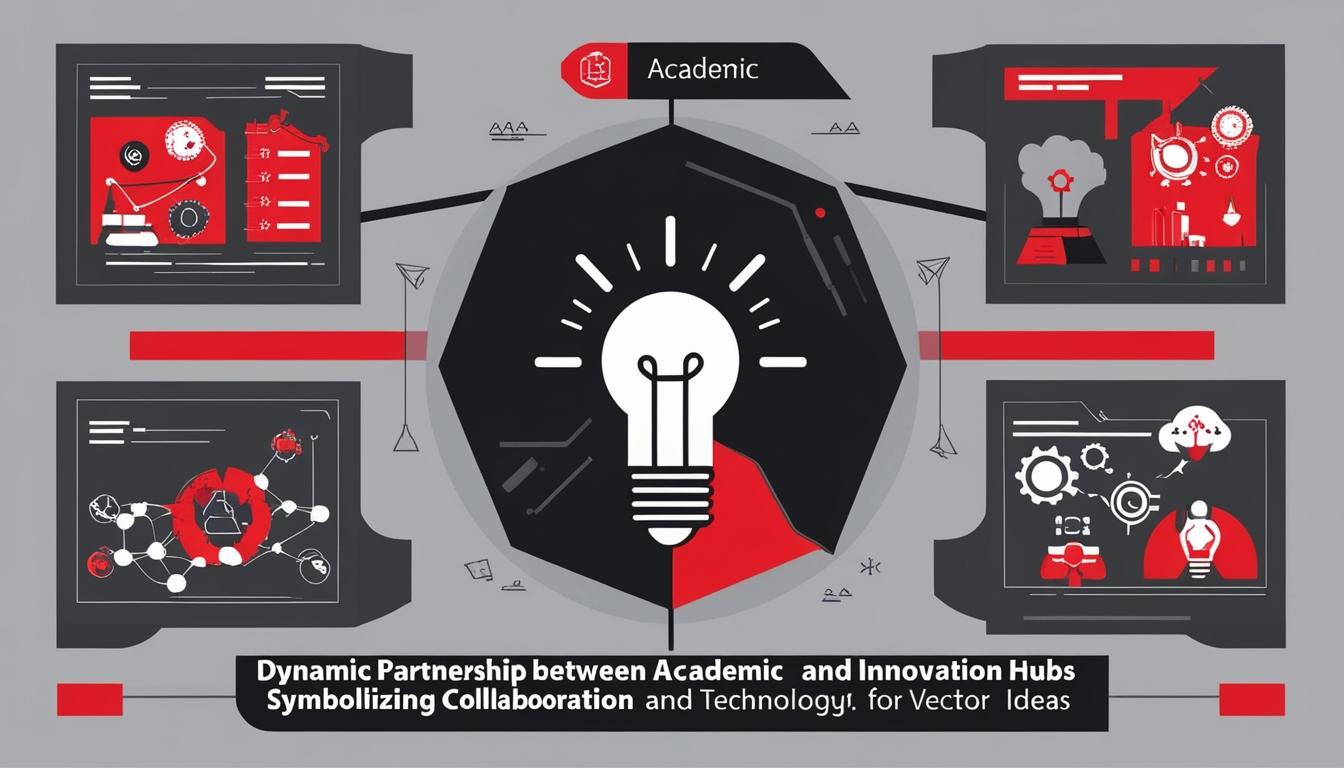

India’s Global Capability Centres are transforming into key players in innovation, driven by emerging technologies and collaborations with academia and start-ups.
Global Capability Centres (GCCs) in India are undergoing a notable transformation as they evolve from traditional back-office functions to becoming pivotal ‘innovation engines’. This shift is largely driven by emerging technologies and industry forecasts that emphasise the importance of engineering, product development, and digital transformation. The GCCs are not only redefining their roles but are also recognising the necessity of fostering diverse expertise to fuel innovation at scale.
The current landscape suggests that GCCs are moving towards establishing sophisticated governance structures to effectively manage innovation programmes. This evolution emphasises comprehensive career paths for roles related to innovation, necessitating a focus on recruitment and talent development in specialised areas such as next-generation technologies. As a result, businesses are likely to observe a marked increase in capabilities that directly contribute to technological advancements and long-term industry trends.
One of the most significant developments is the rise of collaborations between GCCs and academic institutions, as well as start-ups. These partnerships serve as a driving force behind innovation, encouraging the creation of a robust partner ecosystem designed to yield mutual benefits. Such collaborations are distinguished between two types: incremental and disruptive. Incremental collaborations aim to refine existing processes and address current business hurdles, while disruptive collaborations seek to craft high-impact solutions that span the entire industry value chain.
The benefits of these collaborations are manifold for GCCs. Primarily, they gain access to next-generation technologies, allowing them to integrate the latest advancements into their operations. This collaboration accelerates the development process through rapid prototyping and iteration, ultimately reducing time-to-market for new products and services. Furthermore, the synergistic relationship not only enhances operational efficiency but also ensures that GCCs remain at the forefront of market trends.

Additionally, GCCs can drive innovation at a faster pace with minimal financial investment. By engaging with external partners, they can utilise existing resources and expertise without incurring significant costs. This financial model diminishes the risks involved in innovation ventures and presents an opportunity for GCCs to explore new business possibilities while scaling their solutions in a cost-effective manner.
Conversely, the academic institutions engaged in these partnerships also stand to benefit substantially. Collaborations with leading GCCs provide critical financial support and access to industry knowledge, which significantly reduces costs and expedites the innovation process for academia and their start-ups. These partnerships allow for the joint promotion of advanced research projects, enabling academia to develop intellectual property (IP) collaboratively while sharing both rewards and risks.
Moreover, partnerships with GCCs allow academic institutions and incubated start-ups access to early market insights and product validation. Start-ups can conduct paid pilot projects, which offer greater visibility and opportunities for feedback, essential for refining their product ideas ahead of broader market introduction.
As GCCs and their partners explore various collaboration models, the structure of these partnerships can vary. Traditional models may include joint research initiatives, funded projects, incubator programmes, and participatory innovation frameworks. Each model offers unique advantages and mechanisms for collaboration, paving the way for enhanced innovation outcomes.
In summary, the ongoing transformation of Global Capability Centres into innovation hubs highlights substantial opportunities and potential disruptions across industries. As these entities continue to seek partnerships that foster technological advancements, the implications for business practices and operational efficiencies are bound to expand. The evolving landscape of GCCs thus illustrates a significant shift towards a future dominated by collaborative innovation and emerging technology solutions.
Source: Noah Wire Services
- https://www.dezerv.in/blog/gccs-in-india/ – Corroborates the evolution of GCCs in India from cost-saving centers to innovation hubs, and their focus on high-value activities like digitisation, AI, and machine learning.
- https://www.yestack.io/blog/from-cost-saving-hubs-to-innovation-powerhouses:-the-evolution-of-global-capability-centers-gccs- – Supports the transformation of GCCs from cost centers to innovation hubs, highlighting their role in digital transformation, R&D, and product development.
- https://www.yestack.io/blog/from-cost-saving-hubs-to-innovation-powerhouses:-the-evolution-of-global-capability-centers-gccs- – Details the importance of access to skilled talent and the integration of GCCs into local innovation ecosystems, including collaborations with universities and startups.
- https://www.dezerv.in/blog/gccs-in-india/ – Explains the role of GCCs in driving AI-led transformation and their emergence as Centers of Excellence for specific technologies and business functions.
- https://inductusgcc.com/global-capability-centres-indias-pivotal-role-in-driving-global-transformation/ – Highlights GCCs in India as hubs of digital transformation, leveraging technologies like AI and machine learning.
- https://www.yestack.io/blog/from-cost-saving-hubs-to-innovation-powerhouses:-the-evolution-of-global-capability-centers-gccs- – Provides examples of GCCs, such as Microsoft’s India Development Center and Ford’s GCC in Chennai, which have evolved into innovation hubs.
- https://www.dezerv.in/blog/gccs-in-india/ – Discusses the expansion of global roles in Indian GCCs, including high-impact roles and senior leadership positions.
- https://www.ey.com/en_in/insights/consulting/global-capability-centers/how-gccs-can-leverage-partner-ecosystems-to-enhance-innovation – Explains how GCCs can leverage partner ecosystems, including academic institutions and startups, to enhance innovation.
- https://www.yestack.io/blog/from-cost-saving-hubs-to-innovation-powerhouses:-the-evolution-of-global-capability-centers-gccs- – Describes the benefits of collaborations between GCCs and external partners, such as reduced costs and accelerated development processes.
- https://www.dezerv.in/blog/gccs-in-india/ – Mentions the financial benefits and risk reduction for GCCs through collaborations with external partners, allowing them to explore new business possibilities.
- https://www.ey.com/en_in/insights/consulting/global-capability-centers/how-gccs-can-leverage-partner-ecosystems-to-enhance-innovation – Details various collaboration models, including joint research initiatives, funded projects, and incubator programs, which facilitate enhanced innovation outcomes.







