





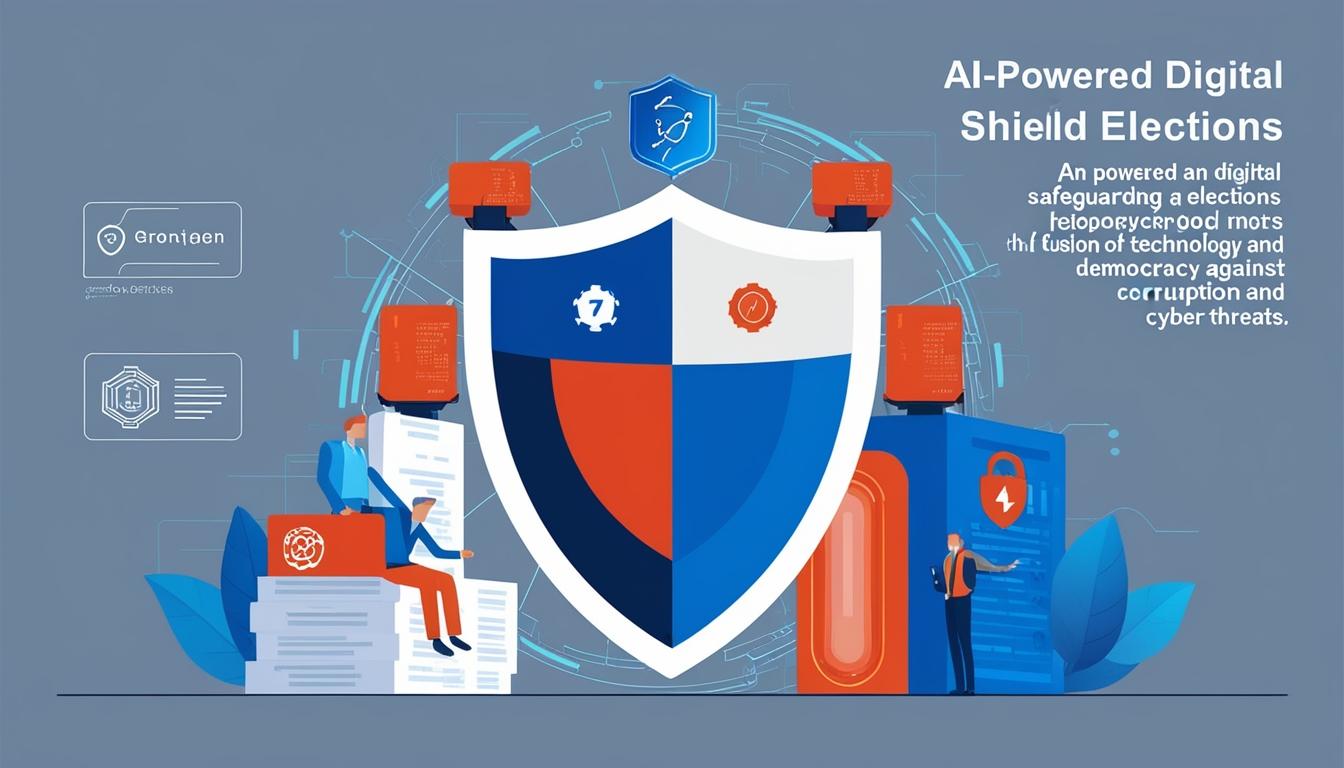

As global elections take centre stage, the role of AI in addressing threats to election integrity and combating corruption among politically exposed persons is more critical than ever.
In a year marked by global electoral events, election security has emerged as a critical concern for intelligence communities worldwide. As an estimated half of the world’s population engages in the democratic process, attention has turned to the dual threats of corruption among politically exposed persons (PEPs) and cyber threats that could undermine election integrity.
The concept of a politically exposed person, as defined by the Financial Action Task Force (FATF), refers to individuals entrusted with prominent public roles, often susceptible to corrupt practices such as money laundering and bribery. Addressing these risks is paramount in ensuring a just political system, and part of this task involves modernising the tools used to combat these potential abuses.
Technological advancements, particularly those involving artificial intelligence (AI), play an increasingly significant role in fortifying election security against these threats. AI-driven solutions are being employed to enhance the screening of PEPs by leveraging automated workflows and sophisticated name matching technologies. These methods improve the accuracy and speed of screenings, alleviating the traditional burdens of false positives and arduous manual updates to large data sets.
This technological evolution is crucial, given the vast quantities of Publicly Available Information (PAI) that must be processed. Rather than relying solely on large “If-then” spreadsheets, AI technologies offer streamlined processes that both improve risk assessment and allow human resources to focus on higher-level tasks such as crisis management and strategic decision-making.

Chris McIsaac, a fellow at R Street, a public policy think tank, emphasises the critical role AI plays in both the propagation and prevention of misinformation in elections. In his paper “Impact of Artificial Intelligence on Elections,” McIsaac suggests that while AI can be misused to spread false information, it also holds the potential to bolster election security. By enabling local election officials to enhance cyber defenses, AI can improve the overall efficiency of election administration.
AI’s potential to enhance security lies in its capability to analyze complex data sets quickly and in multiple languages and scripts, thus uncovering potential threats across digital landscapes. This capability allows for preemptive actions to thwart attempts at election disruption, safeguarding the electoral process from potential cyber threats.
As global elections unfold, the focus remains on mitigating the vulnerability of PEPs and reinforcing the security of democratic systems. AI technologies present a promising avenue for enhancing these efforts, ensuring that political processes maintain integrity amidst evolving challenges. By adopting such innovative solutions, foundations are laid for a future in which technology partners with human oversight to maintain and secure democratic integrity worldwide.
Source: Noah Wire Services







