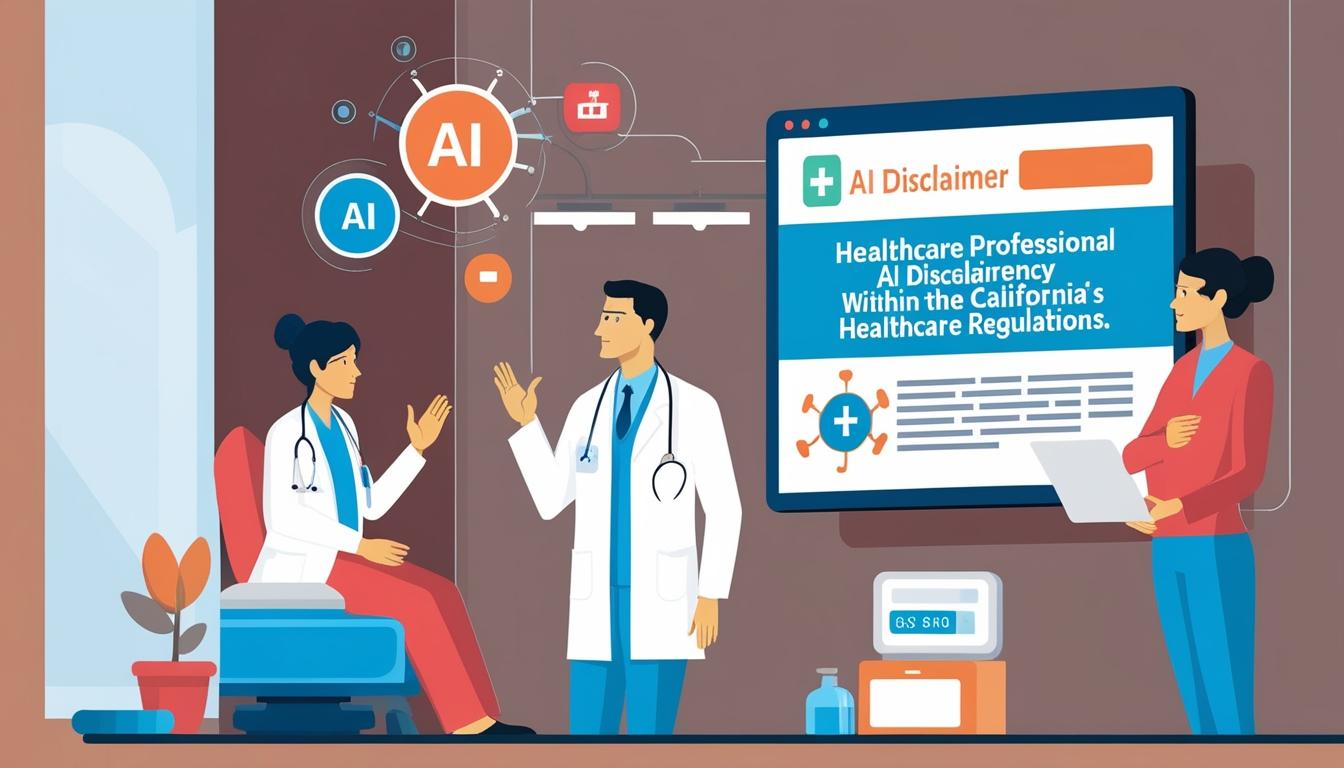

With the signing of Assembly Bill 3030, California leads the way in ensuring transparency in healthcare communications involving generative AI, set to take effect in January 2025.
California has taken a pioneering step in the realm of artificial intelligence (AI) regulation within the healthcare industry. Assembly Bill 3030, signed into law by Governor Gavin Newsom in September 2024, mandates that healthcare facilities, clinics, and physician practices across the state disclose the use of generative AI (GenAI) in any communications related to patient clinical information. This legislation is set to come into effect on January 1, 2025, placing California at the forefront of AI governance in healthcare.
The primary objective of AB 3030 is to ensure transparency, promote informed decision-making, and uphold accountability in patient care. The new regulation requires healthcare providers to explicitly inform patients if their communications are generated using GenAI technologies. These communications pertain specifically to patient clinical information, encompassing details about a patient’s health status, but excluding administrative communications such as appointment scheduling and billing.
The specifics of the law, which are codified in Health & Safety Code §1339.75, detail the format and presentation of these disclosures. For written communications, the disclaimer must be prominently displayed at the beginning, whether in a physical or digital format. In the case of audio communications, the AI generation disclaimer must be verbally stated both at the start and end of the interaction. For video communications and those involving continuous online interactions, such as chat-based telehealth, the disclaimer should be constantly visible throughout the entire interaction.
However, the law stipulates that if a licensed or certified human healthcare provider reads and reviews the AI-generated communication, the requirement for a disclaimer and human contact instructions can be waived. This exception underscores the importance of human oversight in maintaining the quality and reliability of patient communications.

Healthcare entities failing to comply with these new requirements will face various penalties, ranging from fines to actions affecting licensure. Physicians, likewise, risk disciplinary measures against their medical licenses if they do not adhere to the law.
Healthcare providers are advised to undertake several measures to align with AB 3030’s requirements. These include updating technology systems in collaboration with GenAI vendors to incorporate necessary disclaimers and instructions, developing consistent communication templates across various platforms like email and video calls, and establishing robust policies and procedures for the use of GenAI in patient interactions. Training staff to adapt to these new workflows and educating patients about the role of GenAI in their healthcare regimen are also recommended to maintain trust and transparency.
As this legislation marks only one of more than a dozen AI-focused bills enacted in California, it sets a substantive precedent for the integration of advanced technology in healthcare, prioritising patient awareness and informed consent in an increasingly AI-driven industry.
Source: Noah Wire Services