






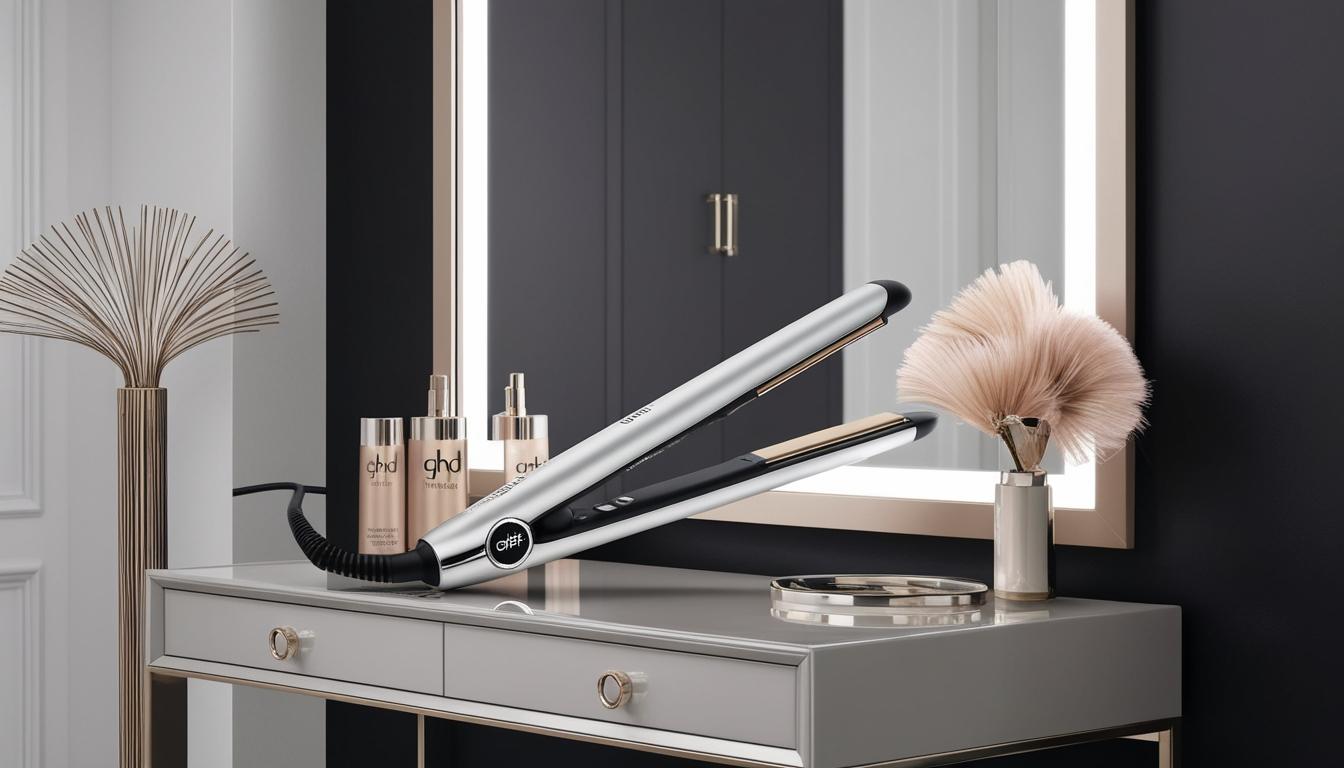

The UK’s hair tech sector, exemplified by brands like GHD and Dyson, is positioning the nation as a global leader in advanced hairstyling technology, driving significant growth in the beauty market.
Britain’s Hair Tech Industry: Leading the Global Charge in Innovation and Style
The British economy has found an unexpected yet thriving niche in the ‘hair tech’ industry, known for its advanced gadgets designed to curl and straighten hair. This is not merely fancy talk; hair tech combines cutting-edge technology with the art of hairstyling, positioning the UK at the forefront of this global market.
In a high-profile showcase, the newly renovated beauty hall at John Lewis’s flagship store on Oxford Street, London, has become a testament to Britain’s leadership in hair tech. The hall features boutique setups from leading brands like GHD (Good Hair Day), Dyson, and SharkNinja, offering consumers the latest in hair styling technology.
The fascination with ‘hair tech’ transcends the mundane image of daily hairstyling tools. Devices from brands like GHD utilise artificial intelligence to control temperatures precisely, ensuring optimal styling without compromising hair health. This attention to detail reflects the work of thousands of specialised engineers dedicated to innovation in the field.

Among the notable products is the GHD Platinum straightener, which enthusiasts acclaim for delivering salon-quality results akin to those flaunted on popular shows like Netflix’s “Dallas Cowboys Cheerleaders.” Jeroen Temmerman, CEO of GHD, emphasises the importance of educating customers on using these sophisticated tools, a strategy that underpinned the brand’s 2023 sales reaching $380 million (£300 million) worldwide.
While some may balk at price points between £90 and £500, Temmerman justifies these as a reflection of the intricate design process rather than merely the cost. Dyson’s Airstrait is tagged at £450, and the GHD Duet Blowdry Dryer is priced at £389, positioning these as premium yet essential lifestyle investments.
This burgeoning hair tech niche forms part of the larger $100 billion hair care and styling market, itself a major segment of the beauty industry. With annual growth rates in double digits, the UK stands out as a key driver of this expansion.
Creating a device like a straightener or curler takes considerable investment and time, often from five to seven years. GHD’s research facility near Cambridge, which employs around 100 engineers and holds 117 patents, exemplifies the rigorous development process involved. Engineers work alongside material scientists to perfect the ‘thermal manipulation’ of hair, striving to eliminate issues like ‘snagging and dragging’, and ensuring durability through comprehensive testing.
Founded in 2001, GHD benefits significantly from the research support of its parent company, American hair care giant Wella, primarily backed by private equity powerhouse KKR. Meanwhile, SharkNinja and Dyson, two major players, have made strategic advancements into the hair tech market, with Dyson investing £500 million and planning to launch 20 new hair products by 2026. Both companies maintain robust research and development operations in the UK, contributing to the country’s leadership in this field.
Interestingly, the United States, known for its technological prowess, has not yet matched the UK in innovative hair products, as American consumers often prefer professional hair care services to home-based solutions. However, Temmerman aims to change this by offering straighteners and tongs that operate at gentler temperatures, potentially appealing to a new segment of cautious US consumers.
The evolution of ‘hair tech’ as a necessity was underscored during the COVID-19 pandemic when the importance of appearance on virtual platforms sparked renewed interest in hair care. According to Temmerman, the shift to video calls elevated the demand and relevance of personal grooming tools, enhancing the perception of hair tech as an indispensable part of daily life.
Source: Noah Wire Services







