






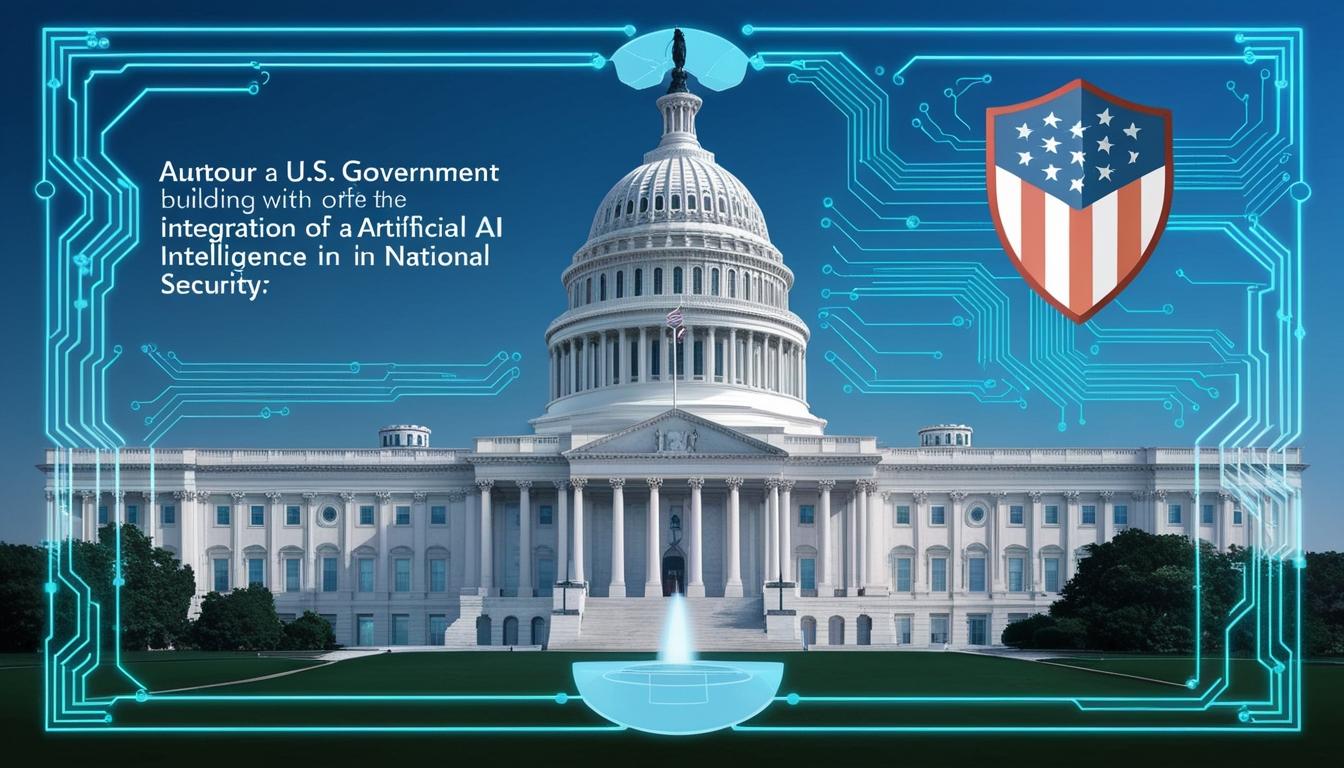
In a significant initiative, President Joe Biden has directed U.S. national security agencies to adopt artificial intelligence, aiming to modernise operations while ensuring responsible deployment amidst evolving tech landscapes.
In a move aimed at integrating cutting-edge technology into national security frameworks, President Joe Biden has ordered all U.S. national security agencies to incorporate artificial intelligence (AI) into their operations. The directive, issued on October 24, signals a significant push to modernise governmental capabilities amidst the fast-paced evolution of AI technologies.
The directive is designed to ensure that AI is employed in a manner that is both effective and responsible. It underscores the importance of these agencies adapting to the technological developments that are becoming increasingly central to national and global security dynamics.
Technology experts acknowledge the ambitious nature of this initiative, highlighting the complexity and challenges involved. Josh Wallin, a fellow at the Center for a New American Security’s defence program, likened the task to “assembling a plane while flying it.” Wallin emphasised that this represents a new focus for many agencies, which traditionally may not have prioritised AI to the extent they now must.
The realisation of President Biden’s directive will demand substantial recruitment efforts, as agencies need to rapidly onboard AI experts and secure necessary security clearances for them. This aligns with the relentless drive from the private sector, where investments and talent acquisition in AI technology continue to surge, thereby increasing competitive pressure on government bodies to adapt swiftly.

While the directive outlines the necessity for responsible AI integration, it does not shy away from the complexities involved in regulating and governing AI technologies in a rapidly advancing landscape.
The implications of this mandate stretch across a range of considerations from ethical usage and data privacy concerns to national security threats and opportunities. Federal agencies are, therefore, tasked with not only adopting AI technologies but doing so in a framework that respects both domestic and international ethical standards.
As federal agencies begin to respond to the new directive, experts highlight the urgency of collaboration between government and private sectors to align on best practices for AI deployment. This process aims to ensure that the adoption of AI serves not only strategic interests but also adheres to ethical standards crucial for national and international acceptance.
This initiative marks a critical juncture in the U.S. government’s approach to emerging technologies, seeking to harness AI’s potential to enhance national security while navigating the intricate challenges it presents. As the landscape of AI continues to evolve, its integration within national security frameworks will remain a focal point for policymakers, industry leaders, and technology experts alike.
Source: Noah Wire Services







