





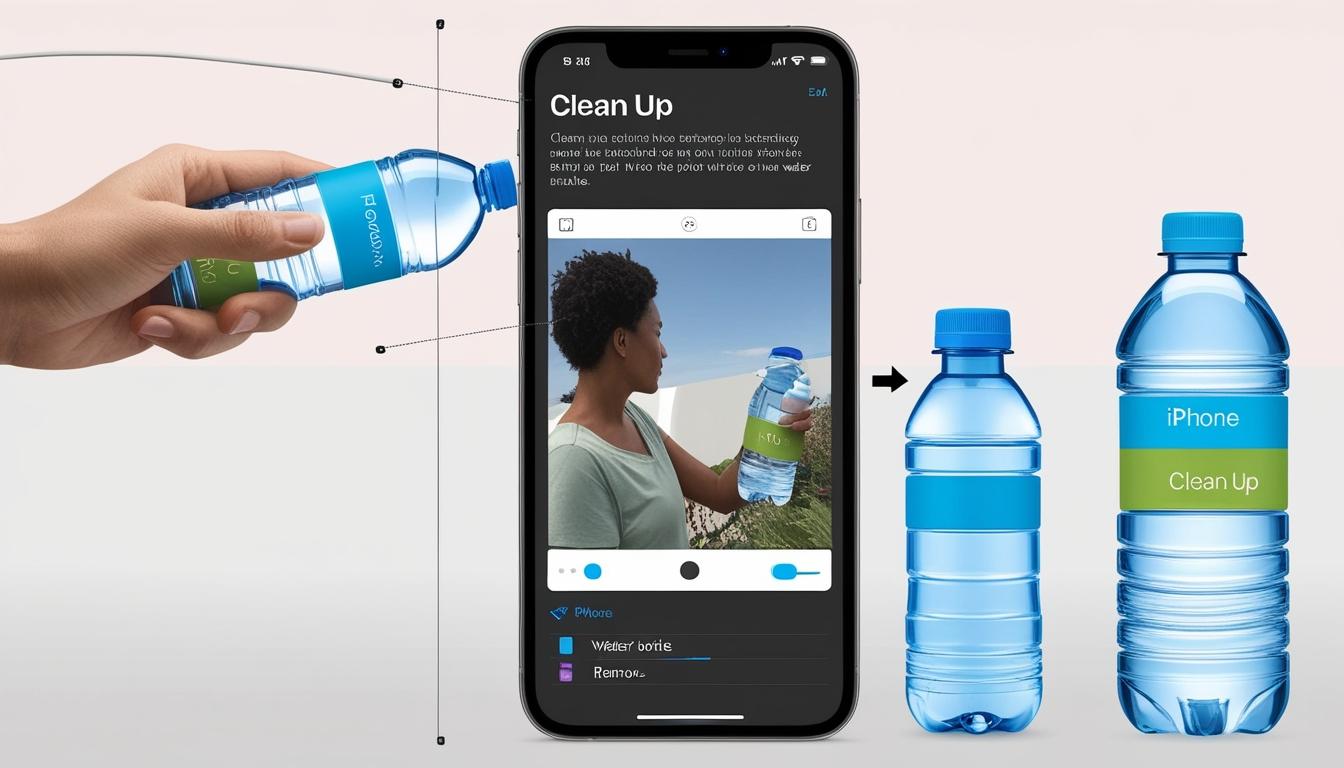

Apple’s introduction of the AI-powered photo editing tool Clean Up raises questions about authenticity and the evolving role of AI in photography, contrasting its approach with more transformative offerings from competitors.
Apple’s New AI Photo Editing Tool Sparks Debate on Reality and Photography
As the world witnesses rapid advancements in technology, the realm of photo editing is evolving towards an increasingly AI-driven future that is raising questions about authenticity and reality. Amidst this backdrop, Apple is poised to introduce its new suite of AI-powered tools, known as Apple Intelligence, which includes a photo-editing feature called Clean Up. This tool gives users the capability to remove objects from images, a move that highlights the differing philosophies adopted by leading technology companies in addressing AI and image manipulation.
Apple’s approach, as demonstrated by its Senior Vice President of Software Engineering, Craig Federighi, in a recent interview with The Wall Street Journal, focuses on maintaining the integrity and realism of photographs. Federighi states, “We help purvey accurate information, not fantasy.” This principle drives Apple’s cautious integration of AI into its photo-editing software. Unlike its competitors such as Google, which offers AI tools capable of radically transforming images by adding imaginative elements like lava lakes or turning buildings into spaceships, Apple opts for subtlety by allowing minor alterations like removing a distracting water bottle.
The introduction of Clean Up has sparked debates within the company as well. Federighi notes the rigorous internal discussions about whether Apple should facilitate the removal of elements like a water bottle or a microphone from photos, as these elements were present when the photo was captured. Despite these debates, the high demand for simplifying such adjustments—deemed non-intrusive to the core meaning of the image—has encouraged Apple to take this modest step.

Apple’s commitment to preserving photography’s historical reputation for depicting reality extends beyond the Clean Up feature. The Photos app metadata will document any AI edits made to images using Apple Intelligence, an approach that distinguishes Apple from other smartphone manufacturers like Google and Samsung. While Google modifies metadata on its devices, it is not always apparent to end-users, a transparency that Apple ensures with its method.
Furthermore, Apple’s cautious strategy is not limited to Clean Up. Federighi mentions the Image Playground feature, where Apple deliberately prevents the generation of photorealistic images to avoid blurring the line between reality and fiction. This approach contrasts with other sentiments in the tech industry, such as Samsung’s provocative claim that “There is no such thing as a real picture.”
This careful stance on AI editing raises questions about Apple’s pace in adopting these technologies. Some industry observers suggest that Apple is lagging and merely playing catch-up with its contemporaries. However, whether this tailored and restrained approach will resonate with consumers or if the market will prefer more adventurous and transformative editing tools remains to be seen.
As technology continues to redefine the boundaries of photography and visual content, the unveiling of Apple’s Clean Up feature and its philosophical implications provide key insights into the broader conversation about authenticity, creativity, and the evolving role of AI in our digital lives.
Source: Noah Wire Services







