






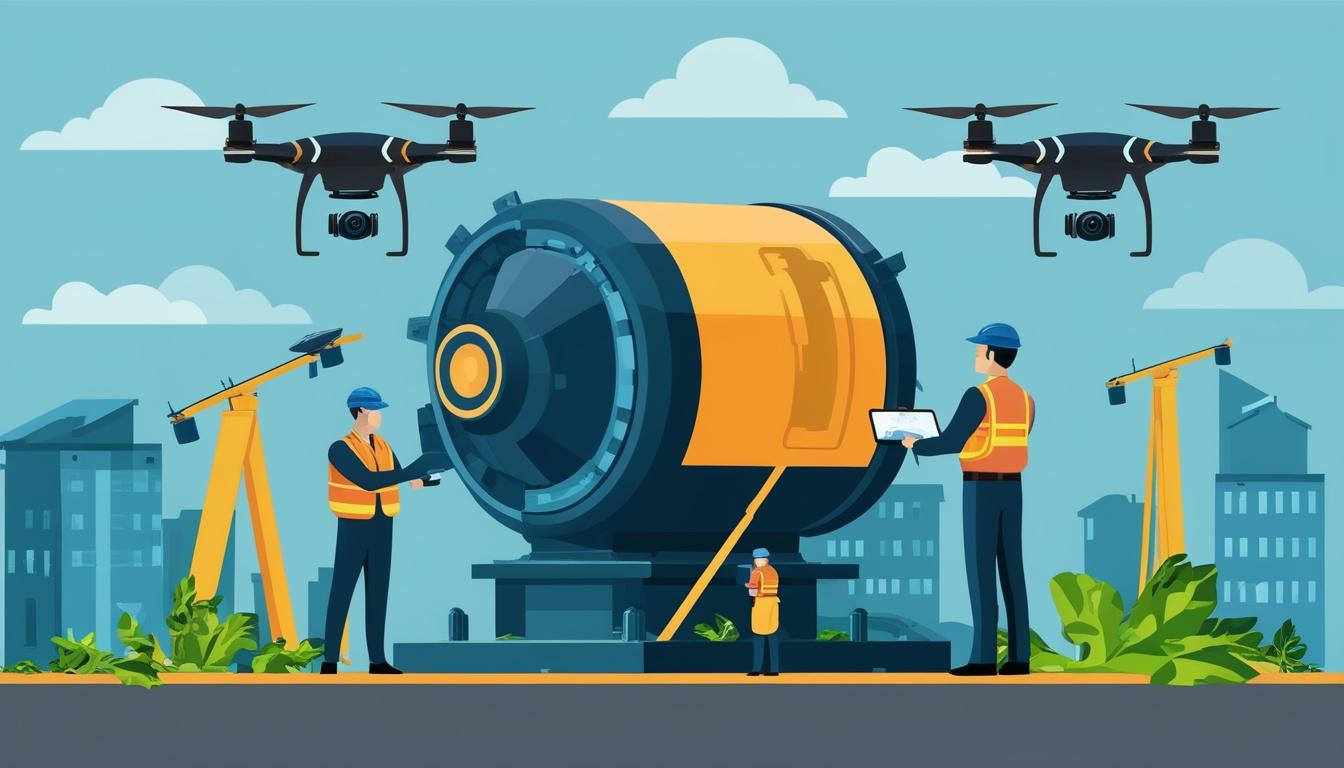

As commercial property insurance rates show signs of stabilisation, businesses face ongoing modest rate increases and must remain vigilant in managing their property exposures.
Analysis of Property Risk Management Amidst Stabilizing Insurance Rates
In recent years, the commercial property insurance market has navigated considerable fluctuations, with insurance rates showing signs of stabilization in the second quarter of 2024. Despite this seeming stability, businesses continue to experience modest rate hikes. A critical aspect for these businesses is to maintain vigilance over their property exposures, particularly concerning the large machinery critical to their operational stability.
Insurance Market Dynamics
One of the prevailing challenges in the commercial property sector is equipment breakdown, which can cause substantial property damage and business interruption. The increasing complexity of high-tech equipment, prevalent in distribution centers and electronic sorting systems, has contributed significantly to insured property losses, according to Michele Sansone, Chief Underwriting Officer for Property, Americas at AXA XL. Specialized machinery breakdowns, especially when substitutes are unavailable, escalate business risks considerably.

Contributing Risk Factors
Several key factors are influencing property insurance rates. The foremost is the heightened impact of global natural catastrophes. According to Verisk’s 2024 Global Modeled Catastrophe Losses report, the average annual loss from these disasters peaked at $151 billion. Over the past five years, insured annual losses averaged $106 billion, highlighting an upward trend from previous periods. Sansone notes that catastrophe insurance pricing is highly contingent on the peril insured, with increased activity observed in hurricanes, wildfires, and floods.
Moreover, supply chain disruptions, exemplified by prolonged lead times for critical components and equipment, pose additional challenges. Cheryl Geidel, Vice President of Equipment Breakdown at AXA XL, highlights that these delays extend business interruption periods significantly, complicating risk management strategies.
Accurate Valuations: A Vital Component
Accurate property valuation remains a cornerstone of managing equipment breakdown costs. Regardless of reduced pricing rates, the criticality of maintaining precise valuations persists. Misvaluation can lead to insufficient insurance payouts, falling short of repair or replacement costs. Given today’s escalated rebuilding and repair costs, businesses need to reassess policy limits to avert significant financial shortfalls during losses.
Geidel emphasizes the importance of precise equipment valuation, pointing out the complexities introduced by modern technological integrations. Insurers that conduct thorough value assessments are instrumental in simplifying the underwriting process and enabling effective risk management.
Technological Mitigation Strategies
Technological advancements offer property owners methodologies to mitigate the unpredictable impacts of natural hazards. Tools like advanced weather and wildfire modeling, drone inspections, and enhanced data-sharing capabilities contribute to refined damage assessments and risk alleviation strategies. The reluctance to share proprietary data can hinder industry-wide improvements in risk management, a sentiment echoed by Sansone, who advocates for greater transparency to bolster industry resilience.
Operational Risk Engineering
AXA XL showcases a proactive approach towards risk management through a team of over 400 risk engineers who collaborate closely with underwriters to deliver comprehensive risk assessments. These assessments inform precise underwriting processes and streamline claims handling by developing a robust understanding of potential risks and policy intricacies. This strategy underscores the importance of maintaining client relationships focused on risk improvement, not merely transactional engagements.
In conclusion, while navigating an evolving insurance landscape, businesses must continue to enhance their understanding of property risks, maintain accurate equipment valuations, and leverage technological innovations to mitigate potential exposures. These measures, supported by robust partnerships with insurance and risk management professionals, are crucial in safeguarding operations amidst unforeseen challenges.
Source: Noah Wire Services







