

Artificial intelligence is transforming patient care by enhancing surgical precision and chronic disease management through innovative data integration.
AI Revolutionises Surgery and Chronic Care with Data Integration
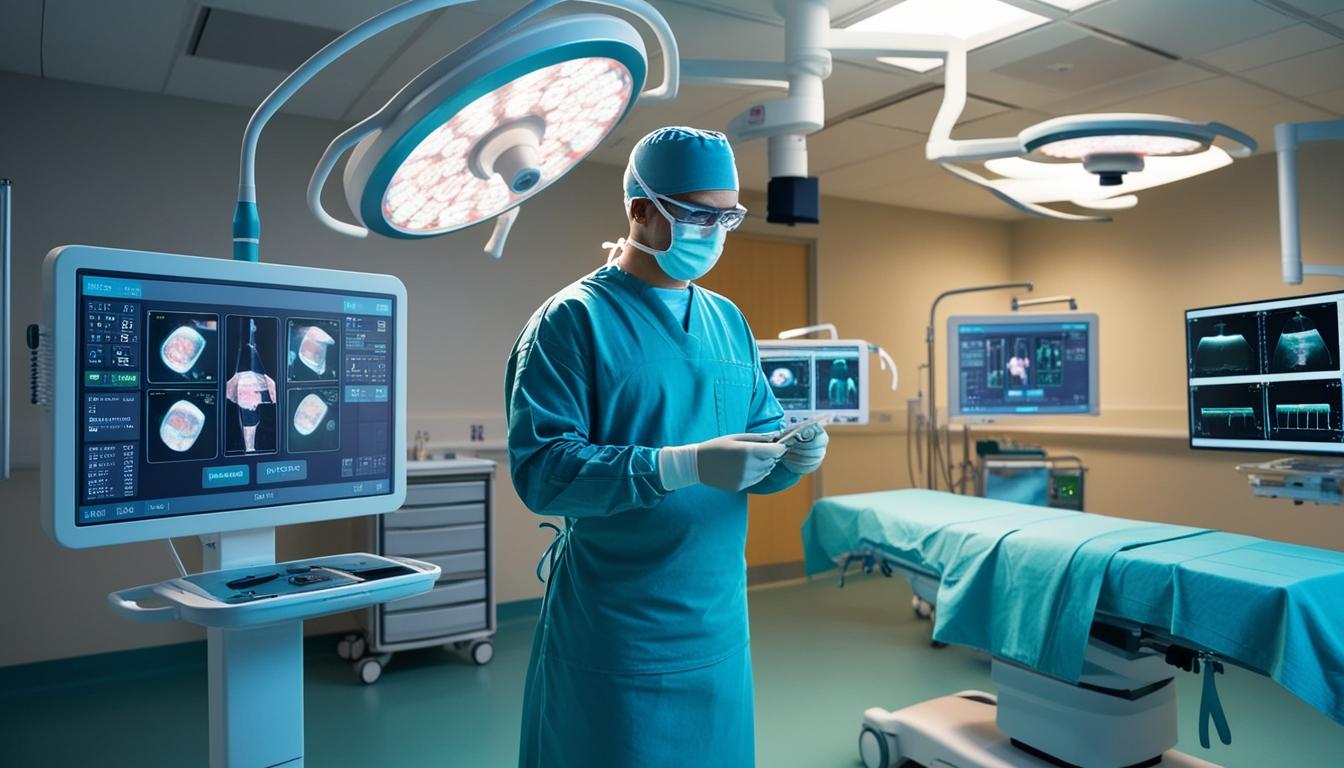
In operating rooms around the globe, artificial intelligence (AI) is making significant strides, enhancing the precision and efficacy of surgical procedures. Surgeons, especially those in fields such as pulmonology, neurology, and cardiology, are now aided by AI-powered medical devices that offer real-time insights and analysis that augment human capability. This advancement, made possible by the seamless integration of cutting-edge data platforms, is revolutionising patient care by merging precision with extensive data analysis.
The adoption of AI in surgery represents a landmark shift in medical technology, where computing power breathes new levels of sophistication into traditional practices. These AI-enhanced systems are adept at analysing imaging data from technologies like CT and MRI scans during operations, providing suggestions that can refine surgical actions. This can range from identifying barely discernible patterns to predicting potential complications such as changes in blood flow or risk of infection. For instance, in cardiology procedures, AI might suggest instrument adjustments in real-time to avert arterial damage, showcasing its potential in minimising risks and enhancing surgical outcomes.
Integral to this transformation is the ability of disparate healthcare systems to communicate seamlessly. Multiple systems—from imaging to electronic health records (EHRs)—must synchronize to provide a holistic view of a patient’s health, accessible at any time. This Unified Data Integration ensures that a patient’s complete medical history, diagnostic imagery, and real-time vitals are comprehensively integrated into surgical processes, reducing the risk of error and improving decision-making capabilities. Post-procedure, the system automatically updates patient records with AI-derived insights and surgical notes, enhancing future care continuity.
Beyond the operating theatre, the influence of AI extends to the realm of chronic care management. Conditions such as diabetes, heart disease, and chronic obstructive pulmonary disease (COPD) require constant monitoring—a burden significantly lightened by AI-enabled wearable technology. These devices continuously track vital metrics such as glucose levels, heart rate patterns, and oxygen saturation, providing timely alerts and insights to both patients and healthcare providers. For example, a wearable sensor can alert a patient with COPD when their oxygen levels are precariously low, allowing for immediate interventions that potentially preclude emergency situations. This represents a shift towards proactive and personalised care, wherein treatment strategies adjust dynamically according to real-time health data.
Health professionals benefit from this tech-driven evolution too. In high-pressure environments like Intensive Care Units (ICUs), AI-driven platforms assist nurses and staff by automating routine tasks, monitoring patient vitals, and signalling early warnings about potential complications, such as sudden changes in blood pressure or oxygen levels. This allows healthcare workers to devote more attention to direct patient care, ultimately improving patient interactions and outcomes. Furthermore, streamlined data integration eradicates delays in care coordination, ensuring all team members have immediate access to the latest patient information.
Patients, meanwhile, are equally empowered by these advancements. The accessibility of real-time monitoring and direct updates through mobile apps allows patients to take an active role in their health management. This not only enhances adherence to treatment plans but also engenders a greater sense of responsibility and satisfaction in their personal healthcare journeys.
These transformative developments underscore the broader potential of AI in healthcare, hinting at a future where medicine evolves from reactive responses to anticipatory and predictive care models. AI’s integration into medical practices heralds a new era, shifting the focus from addressing issues as they arise to preventing them before they develop. This evolution is not merely about improving patient outcomes or surgical accuracy; it is a fundamental transformation of healthcare itself. As technology continues to advance, healthcare systems worldwide are increasingly equipped to face future challenges, optimising operations across various specialties and responding more effectively to societal health needs.
In essence, the ongoing technological revolution in healthcare is not simply about adopting new tools—it’s about redefining the very framework of care. The future, where AI and data integration are not just supplementary tools but central to patient care, is already taking shape.
Source: Noah Wire Services