









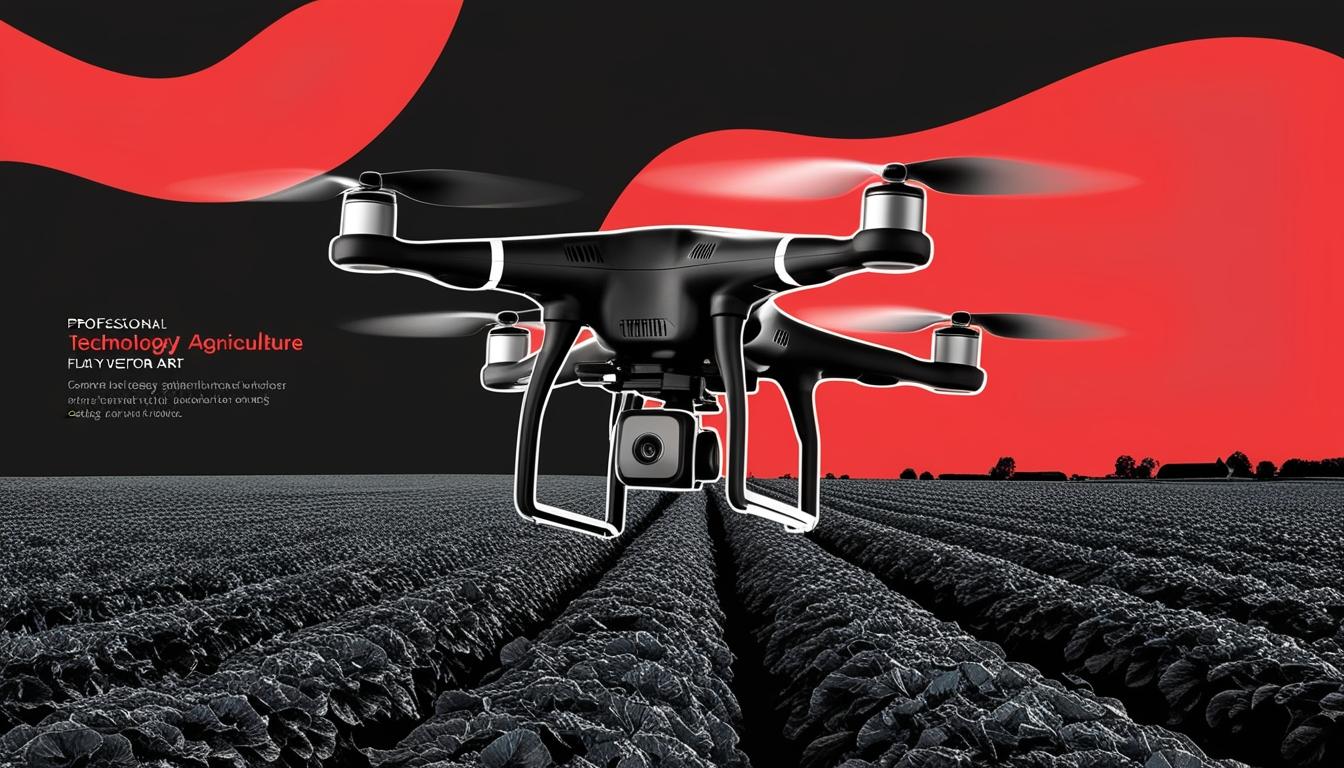
The integration of advanced technologies in agriculture addresses labour shortages and promotes efficiency, despite challenges in adoption.
Ag-tech innovation is transforming the agricultural landscape globally, particularly as industries tackle ongoing labour shortages exacerbated by various economic and environmental factors. The integration of advanced technology, such as drones and robotics, is fostering a new era of agricultural practices aimed at enhancing efficiency and productivity across diverse farming environments.
Countries around the world are increasingly adopting automation technologies to address the pressing issue of diminishing labour availability in agriculture. These innovations automate repetitive and physically demanding tasks, allowing workers to focus on more complex and skilled responsibilities such as data analysis and farm management. The emphasis on automating these basic tasks is poised to create new employment opportunities within technical fields, facilitating a shift towards roles that promote sustainability and resource efficiency.
Government policies play a critical role in the facilitation of ag-tech adoption. In the United States, programming like the USDA’s Farm Bill provides substantial funding aimed at modernising farms and supporting the transition towards more efficient labour practices. Similarly, the European Union’s Common Agricultural Policy (CAP) illustrates a commitment to fostering technological innovation through grants and subsidies, thereby lowering the financial barriers faced by farmers. This assistance allows companies like CNH to offer scalable solutions that align closely with governmental initiatives designed to modernise agricultural practices.
Various countries are actively investing in ag-tech research and development to enhance productivity. Australia is collaborating with technology companies to devise automated solutions suitable for broadacre farming, while Canada’s Agri-Food Immigration Pilot focuses on equipping workers with the necessary skills to utilise these technologies effectively. Meanwhile, initiatives such as the Broadband ReConnect Program in the U.S. provide crucial connectivity that underpins the efficacy of data-driven agricultural tools. In Europe, the Green Deal and the U.K.’s Agriculture Act promote sustainable technology implementation, reinforcing a collective commitment to modernising the sector.
Despite these advancements, the adoption of ag-tech solutions faces several challenges. High initial costs, insufficient infrastructure, and a scarcity of skilled technicians hinder widespread uptake in certain regions. In many developing countries, limited access to capital makes investment in new technology challenging, despite the potential long-term benefits. Developed nations are not immune to these issues, as the cost-to-benefit ratio may dissuade smaller farms from pursuing high-tech options, particularly during periods of economic uncertainty marked by fluctuating commodity prices and uncertain trade policies.
The use of drones combined with precision farming technologies is increasingly influencing crop yield and operational efficiency. These smart technologies facilitate Variable Rate Application (VRA), where precise amounts of fertilizers, pesticides, and other inputs are applied based on real-time data from drones and sensors. This method significantly reduces input costs and enhances crop efficiency, leading to greater overall yields while simultaneously minimising environmental impacts.
The shift towards hybrid farming models, which blend traditional agricultural practices with advanced technology, is evident globally. Such models are proving effective in enhancing productivity and sustainability while preserving essential farming traditions. CNH’s technologies, such as Sense and Act, offer adaptable solutions that empower farmers to optimise their operations and profitability.
Cultural attitudes towards agricultural technology vary widely, with industrialised nations typically embracing technological enhancements to improve efficiency and reduce environmental impact. Conversely, in some developing regions, there is resistance to full automation due to fears of job losses and a desire to preserve traditional farming methods. However, in areas facing acute labour shortages, there is a notable trend towards the pragmatic adoption of technology to bolster productivity without escalating costs.
Certain agricultural sectors, particularly large-scale row crops, are reaping significant benefits from tech solutions. The specific requirements of these crops for precise input management align well with the capabilities offered by precision farming, allowing farmers to maximise yields, minimise labour costs, and address critical challenges related to resource scarcity and sustainability.
As global agriculture continues to evolve through technological advancements, the interaction between automation, government policy, and cultural attitudes will play a pivotal role in shaping the future landscape of farming.
Source: Noah Wire Services
- https://agrilinks.org/post/agtech-future-trends-and-emerging-technologies – Corroborates the integration of advanced technologies like drones, robotics, AI, and IoT in agriculture to enhance efficiency and productivity.
- https://www.icl-group.com/blog/technologies-revolutionizing-agriculture-agtech/ – Supports the adoption of automation technologies to address labour shortages and automate repetitive tasks in agriculture.
- https://forwardfooding.com/what-is-food-tech/agtech/ – Highlights the role of government policies and initiatives in facilitating ag-tech adoption, such as funding and subsidies.
- https://masschallenge.org/articles/agriculture-innovation/ – Discusses various countries’ investments in ag-tech research and development, including Australia and Canada’s initiatives.
- https://www.weforum.org/stories/2024/01/unlock-agtech-growth-agriculture-farmers/ – Mentions government programs like the USDA’s Farm Bill and the European Union’s Common Agricultural Policy (CAP) supporting ag-tech adoption.
- https://agrilinks.org/post/agtech-future-trends-and-emerging-technologies – Addresses the challenges faced in ag-tech adoption, including high initial costs, insufficient infrastructure, and scarcity of skilled technicians.
- https://www.icl-group.com/blog/technologies-revolutionizing-agriculture-agtech/ – Explains the use of drones and precision farming technologies to influence crop yield and operational efficiency through Variable Rate Application (VRA).
- https://forwardfooding.com/what-is-food-tech/agtech/ – Describes the shift towards hybrid farming models that blend traditional practices with advanced technology to enhance productivity and sustainability.
- https://masschallenge.org/articles/agriculture-innovation/ – Discusses cultural attitudes towards agricultural technology, including resistance in some developing regions and pragmatic adoption in areas with labour shortages.
- https://www.weforum.org/stories/2024/01/unlock-agtech-growth-agriculture-farmers/ – Highlights the benefits of tech solutions in large-scale row crops, such as precise input management and addressing resource scarcity and sustainability challenges.
- https://agrilinks.org/post/agtech-future-trends-and-emerging-technologies – Emphasizes the interaction between automation, government policy, and cultural attitudes in shaping the future of farming through technological advancements.






