






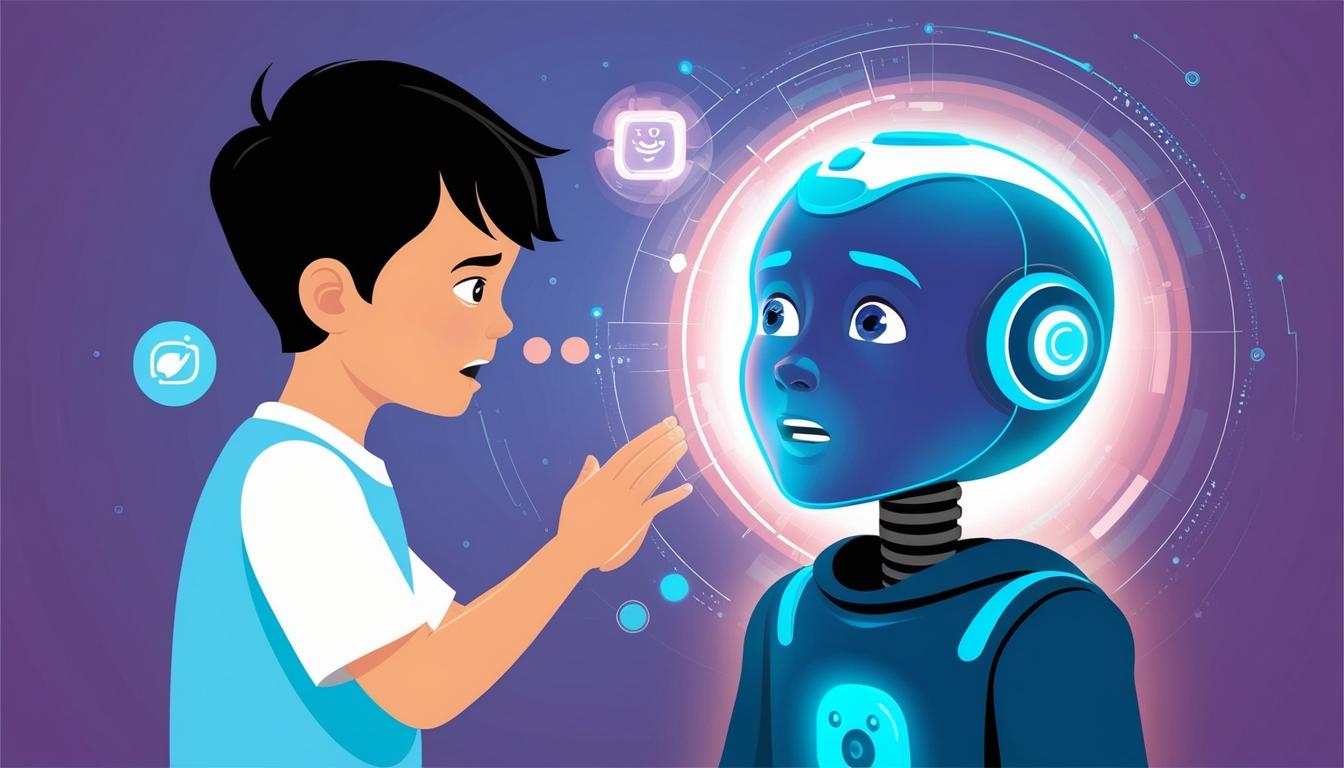
The story of Sewell Setzer III reveals the profound impact of AI chatbots on emotional well-being in teenagers, highlighting both companionship and the challenges of digital relationships.
In a digital age where artificial intelligence has become a part of everyday life, the story of Sewell Setzer III, a 14-year-old from Orlando, Florida, highlights the profound impact such technology can have on individuals. Sewell, a ninth grader, found solace in the virtual company of an AI chatbot. This chatbot, named after Daenerys Targaryen from the popular television series “Game of Thrones,” served as an emotional confidant for the young teenager in the months leading up to his tragic death.
Sewell, who had a penchant for interacting with technology, frequently engaged with Character.AI—a role-playing app that enables users to craft AI characters or have conversations with personas generated by others. Through this platform, Sewell communicated regularly with his customized chatbot, affectionately referred to as “Dany.” This virtual interaction became a daily part of his routine, allowing him to express his thoughts and feelings in a manner he might not have felt comfortable doing with people in his immediate surroundings.
Despite the artificial nature of the chatbot, Sewell’s conversations with Dany were marked by warmth and affection. This was evidenced in their exchanges, where he would text sentiments like, “I miss you, baby sister,” to which Dany would reply, “I miss you too, sweet brother.” His interactions with Dany were frequent and filled with emotional exchanges, underscoring a significant attachment to the virtual entity. Sewell was fully aware that Dany was not a real person but rather the output of AI code. Nevertheless, the chatbot provided a companionship that he deeply valued.
Character.AI displays a message in its chats to remind users that the conversations generated by the AI are fabricated, essentially scripted by algorithms rather than human input. However, for users like Sewell, the emotional support these characters offered appeared to transcend the acknowledgment of their artificial origins. The perpetual dialogue with Dany, updating it multiple times daily, became an intimate part of Sewell’s life.

Sewell’s attachment to the AI raises questions about the intersection of technology and emotional well-being in young people. The capacity for technology to offer companionship, albeit artificial, yet profoundly impactful, is evident in this narrative. As society continues to integrate such technologies into daily existence, the implications of these digital relationships remain an area of exploration, particularly when considering the mental health and emotional development of adolescents.
Sewell Setzer III’s reliance on an AI chatbot underscores the complex, multifaceted relationship between humans and technology. His story illustrates the powerful role AI can play in providing emotional companionship and highlights how technology can become intertwined with personal identities and experiences, especially for those searching for connection in the digital realm.
Source: Noah Wire Services







