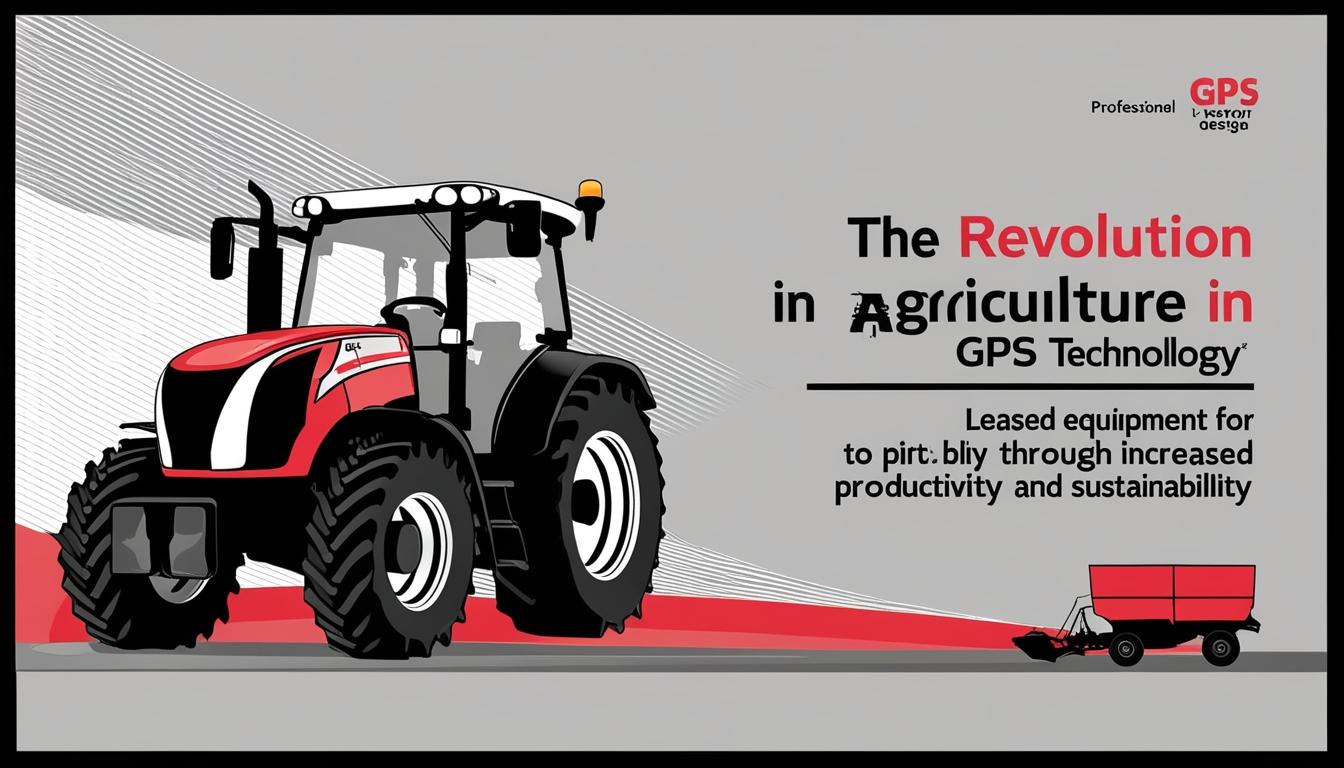

Leasing farming equipment is becoming a popular strategy for farmers facing high operational costs and the need for advanced machinery, promoting sustainability and efficiency in the agricultural sector.
Agriculture is a pivotal sector within the global economy, yet it is increasingly faced with numerous challenges requiring innovative solutions. Farmers today encounter rising operational costs and the need to maintain competitive yields. One emerging strategy that is gaining ground among agricultural practitioners is the leasing of farming equipment. This approach allows farmers to access advanced machinery without bearing significant financial burdens, subsequently enhancing agricultural productivity.
The advances made in farming technology over recent years are noteworthy, including the rise of precision farming tools, GPS-enabled tractors, and automated harvesting equipment. These developments have become crucial for improving efficiency and maximizing crop yields. However, the high costs associated with such technologies often render outright purchases impractical, especially for small- and medium-sized farms. Leasing farming equipment effectively addresses this issue by offering farmers flexible, cost-effective access to state-of-the-art machinery. As noted in a report by TechBullion, this form of leasing not only facilitates the adoption of modern agricultural practices but also contributes to sustainability by lessening the financial burden on farmers.
Cost efficiency is a major advantage of leasing equipment. By eliminating the need for substantial upfront payments, farmers can redirect their capital to other vital areas, such as seeds, fertilisers, and labour expenses. Many leasing agreements also encompass maintenance and repair services, further lowering unforeseen financial burdens.
Technological advancements in agriculture occur rapidly, often leading to the obsolescence of equipment in a matter of years. Leasing allows farmers to remain current with the latest innovations without the concern of depreciation tied to owned machinery. Farmers can easily upgrade their leases to incorporate newer models, thus ensuring their operations remain competitive.

Moreover, leasing offers flexibility and scalability tailored to the unique needs of different farming operations. Seasonal leases enable farmers to access necessary equipment only during critical periods, such as planting or harvesting, promoting optimal resource utilization without long-term commitments. This flexibility contributes positively to cash flow management. Leasing spreads the costs over manageable monthly payments, providing farmers with financial predictability to navigate market fluctuations or unforeseen expenses.
Common farming equipment types that are often leased include tractors, which form the backbone of modern agricultural as they can come with advanced features like GPS navigation and automated steering. Leasing is also common for harvesting machinery, with combine harvesters being expensive yet vital during peak harvest periods. Efficient irrigation systems, precision planting equipment, and post-harvest machinery can also be leased, enhancing the operational capabilities of farmers.
However, farmers need to consider various factors prior to leasing equipment. A proper evaluation of operational needs is essential, along with a thorough understanding of lease terms such as payment schedules, maintenance responsibilities, and penalties for early termination. Selecting a reputable leasing provider is crucial, and farmers should invest time in researching options that boast positive reviews and a reliable track record.
Additionally, planning for seasonal demand and exploring financing options can further enhance the viability of leasing agreements. Understanding the advantages and disadvantages between leasing and purchasing is also vital, enabling farmers to make informed decisions based on their specific operational scale and financial position.
Leasing farming equipment aligns well with the growing focus on sustainability within agriculture. By promoting resource efficiency through shared equipment usage, the environmental footprint associated with manufacturing and disposing of outdated machinery is minimized. Furthermore, modern leasing technologies empower farmers to employ eco-friendly practices, ultimately contributing to both economic viability and environmental sustainability.
The future looks promising for the farming equipment leasing market, with rapid advancements in technology and an increasing demand for sustainable practices driving further adoption. Digital platforms are transforming how farmers approach leasing, allowing them to conveniently browse, compare, and finalise agreements online. Additionally, government support through subsidies, tax incentives, and public-private partnerships enhances the accessibility of these essential technologies for farmers.
The potential for farming equipment leasing to revolutionise agricultural operations is significant. By offering an accessible and practical solution, farmers can focus on enhancing productivity while efficiently managing resources. As the agricultural industry continues to adapt and evolve, leasing emerges as a transformative approach to empower farmers in accessing the tools necessary for success.
Source: Noah Wire Services
- https://www.ers.usda.gov/data-products/ag-and-food-statistics-charting-the-essentials/ag-and-food-sectors-and-the-economy/ – Corroborates the economic significance of the agriculture sector, including its contribution to GDP and employment, and the various industries related to agriculture.
- https://southernagcredit.com/2023/03/15/leasing-vs-purchasing-farm-equipment/ – Details the benefits of leasing farm equipment, such as lower upfront costs, flexibility, tax benefits, access to up-to-date equipment, and capital preservation.
- https://southernagcredit.com/2023/03/15/leasing-vs-purchasing-farm-equipment/ – Explains the differences between leasing and purchasing farm equipment, including ownership, equity, control, and long-term savings associated with purchasing.
- https://lease-today.com/why-should-you-lease/ – Highlights the benefits of leasing farm equipment, including lower upfront costs, flexible terms, upgraded equipment, manageable payments, and tax advantages.
- https://lease-today.com/why-should-you-lease/ – Discusses how leasing helps in managing cash flow by spreading equipment costs over time and the flexibility in lease terms to meet specific operational requirements.
- https://lease-today.com/why-should-you-lease/ – Lists common types of farm equipment that can be leased, such as tractors, combine harvesters, and other machinery, and explains the typical lease durations.
- https://southernagcredit.com/2023/03/15/leasing-vs-purchasing-farm-equipment/ – Addresses the importance of evaluating operational needs and understanding lease terms, including payment schedules and maintenance responsibilities.
- https://lease-today.com/why-should-you-lease/ – Explains how leasing can promote sustainability by minimizing the environmental footprint associated with manufacturing and disposing of outdated machinery.
- https://southernagcredit.com/2023/03/15/leasing-vs-purchasing-farm-equipment/ – Discusses the need to compare the advantages and disadvantages of leasing versus purchasing equipment based on the farm’s operational scale and financial position.
- https://lease-today.com/why-should-you-lease/ – Mentions the role of digital platforms in transforming how farmers approach leasing and the potential for government support through subsidies and tax incentives.
- https://southernagcredit.com/2023/03/15/leasing-vs-purchasing-farm-equipment/ – Highlights the future potential of the farming equipment leasing market, driven by technological advancements and the increasing demand for sustainable practices.