
Artificial intelligence and machine learning are revolutionising multiple sectors such as finance, agriculture, and energy, enhancing operational efficiency and strategic decision-making.
In recent years, the integration of artificial intelligence (AI) and machine learning (ML) technologies into various sectors has catalysed profound changes, enhancing operational efficiency and contributing to significant growth. This transformation spans multiple industries, including finance, agriculture, energy, transportation, retail, and construction. The advancements in AI are reshaping traditional processes and providing businesses with innovative tools to drive decision-making and strategic planning.
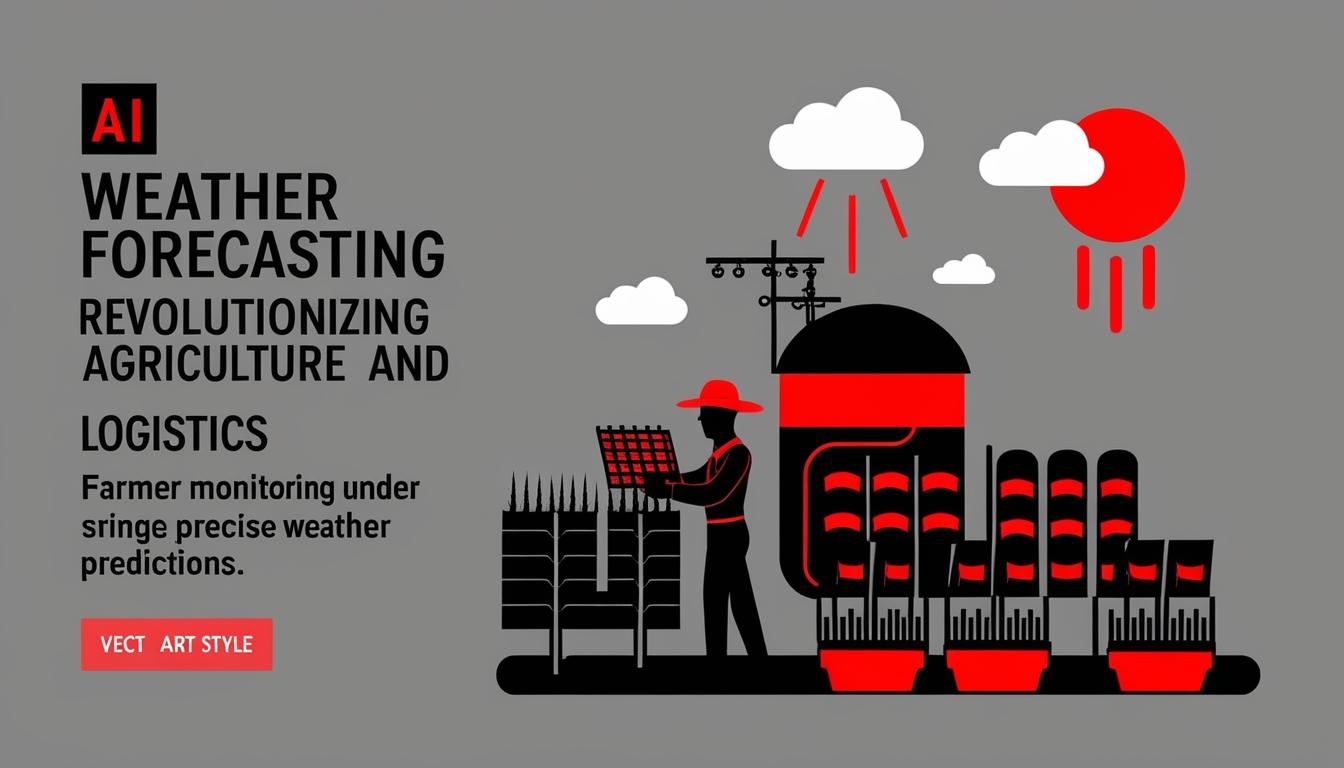
A particularly notable application of AI is in the domain of weather forecasting, where machine learning algorithms are employed to dissect vast meteorological datasets. This shift from conventional forecasting methods to AI-driven models allows businesses to make better-informed operational choices based on precise, real-time data. By analysing historical trends alongside current climatic conditions, sectors such as agriculture benefit immensely. Farmers can now optimise planting schedules, irrigation, and harvesting by accurately predicting weather patterns, which helps to mitigate crop damage and enhance yields.
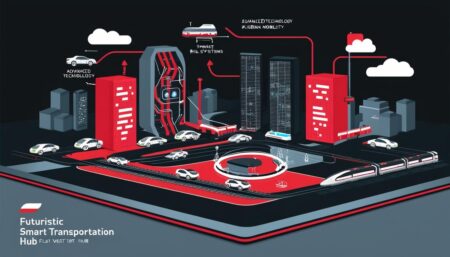
Transportation and logistics firms also utilise AI-enhanced weather predictions to streamline operations. Accurate forecasts enable these companies to devise efficient routing and scheduling, thereby averting potential disruptions caused by adverse weather. The ability to anticipate weather-related changes leads to reduced delays, improved cost efficiency, and enhanced customer experiences.
Similarly, the energy sector has leveraged AI for more effective energy distribution. By predicting fluctuations in renewable energy sources like wind and solar, providers can adjust their production and storage strategies proactively, ensuring a steady energy supply while minimising waste. This careful management supports sustainable practices and reinforces operational efficiency.
In the retail industry, AI weather forecasts allow businesses to align inventory and marketing strategies with consumer demand influenced by weather conditions. For example, retailers can stock seasonal products more effectively, increasing sales potential and reducing the risk of stockouts or unsold inventory.
Construction companies have also realised the benefits of AI-powered weather forecasting. By receiving timely alerts about future weather events, construction managers can plan their schedules to avoid downtime caused by inclement weather. This ability to adapt project timelines based on weather predictions optimises resource utilisation and keeps projects on track.
Disaster preparedness is another critical area enhanced by AI weather forecasting. Accurate predictions enable governments and businesses to implement proactive measures in anticipation of severe weather events, such as hurricanes or floods. This foresight facilitates efficient evacuation planning and resource allocation, ultimately reducing damage and saving lives.
In parallel, the finance industry has embraced AI and machine learning to revolutionise its operations. These technologies are integral in predictive analytics, enabling financial institutions to process vast datasets for enhanced decision-making. AI is pivotal for fraud detection, risk management, algorithmic trading, and customer service, allowing firms to significantly improve operational resilience.
Predictive models rooted in AI help financial firms forecast market trends, stock prices, and assess risk levels by identifying patterns within historical data. Hedge funds and investment banks utilise these models to inform investment strategies, enabling more agile capital allocation and improved portfolio management.
AI’s role in risk management is critically important. Financial institutions leverage machine learning to analyse borrowers’ credit histories and behaviours, providing a nuanced understanding of potential defaults. This proactive risk assessment framework helps lenders make informed decisions, minimising the likelihood of non-performing loans.
Moreover, AI-powered systems enhance customer experiences through personalised financial services, with institutions using chatbots and predictive analytics to tailor offerings specific to individual customer needs. By understanding customer behaviour and preferences, banks can provide timely and relevant product recommendations.
As these AI and ML technologies continue to evolve, their influence on the finance sector is set to deepen. Increased computational capability and access to alternative data sources are expected to further bolster predictive accuracy and market insights. However, the integration of such technologies necessitates careful consideration of ethical implications, including the risk of algorithmic bias and the importance of transparency in AI-driven decision-making.
Ultimately, the cross-industry implementation of AI serves as a remarkable testament to how innovative technologies can enhance operational efficiency and drive growth. From agriculture to finance, the practical applications of AI not only streamline processes but also foster a proactive approach towards planning and resource management, equipping businesses to thrive in an increasingly dynamic environment.
Source: Noah Wire Services
- https://www.intuition.com/machine-learning-by-the-numbers-its-impact-on-business/ – Corroborates the significant growth and impact of AI and ML across various industries, including finance, manufacturing, and retail, and highlights their role in enhancing operational efficiency and decision-making.
- https://www.knowmadmood.com/en/blog/which-industries-have-been-the-most-impacted-by-ai/ – Supports the transformation of industries such as finance, healthcare, and industrial sectors through AI, including applications in risk detection, financial prediction, and process automation.
- https://www.hyena.ai/potential-impact-of-artificial-intelligence-ai-on-five-major-industries/ – Details the impact of AI on industries like retail, manufacturing, and software development, including applications in inventory management, production optimization, and customer service.
- https://www.simplilearn.com/ai-artificial-intelligence-impact-worldwide-article – Discusses the broad impact of AI across various sectors, including IT, marketing, sales, and education, and highlights its role in enhancing efficiency and decision-making.
- https://www.datarails.com/industries-impacted-by-ai/ – Provides insights into how AI affects different industries, including healthcare, finance, and retail, and discusses job market implications and operational efficiencies.
- https://www.intuition.com/machine-learning-by-the-numbers-its-impact-on-business/ – Supports the use of AI in weather forecasting and its benefits for agriculture, such as optimizing planting schedules and mitigating crop damage.
- https://www.knowmadmood.com/en/blog/which-industries-have-been-the-most-impacted-by-ai/ – Corroborates the use of AI in the energy sector for predicting fluctuations in renewable energy sources and adjusting production and storage strategies.
- https://www.hyena.ai/potential-impact-of-artificial-intelligence-ai-on-five-major-industries/ – Details AI applications in retail for aligning inventory and marketing strategies with consumer demand influenced by weather conditions.
- https://www.simplilearn.com/ai-artificial-intelligence-impact-worldwide-article – Supports the use of AI in construction for planning schedules and avoiding downtime caused by inclement weather.
- https://www.knowmadmood.com/en/blog/which-industries-have-been-the-most-impacted-by-ai/ – Corroborates the role of AI in disaster preparedness by enabling proactive measures in anticipation of severe weather events.
- https://www.intuition.com/machine-learning-by-the-numbers-its-impact-on-business/ – Details the integration of AI and ML in the finance industry for predictive analytics, fraud detection, risk management, and customer service.
- https://insightssuccess.com/how-to-use-ai-weather-prediction-in-daily-operations/ – Please view link – unable to able to access data