









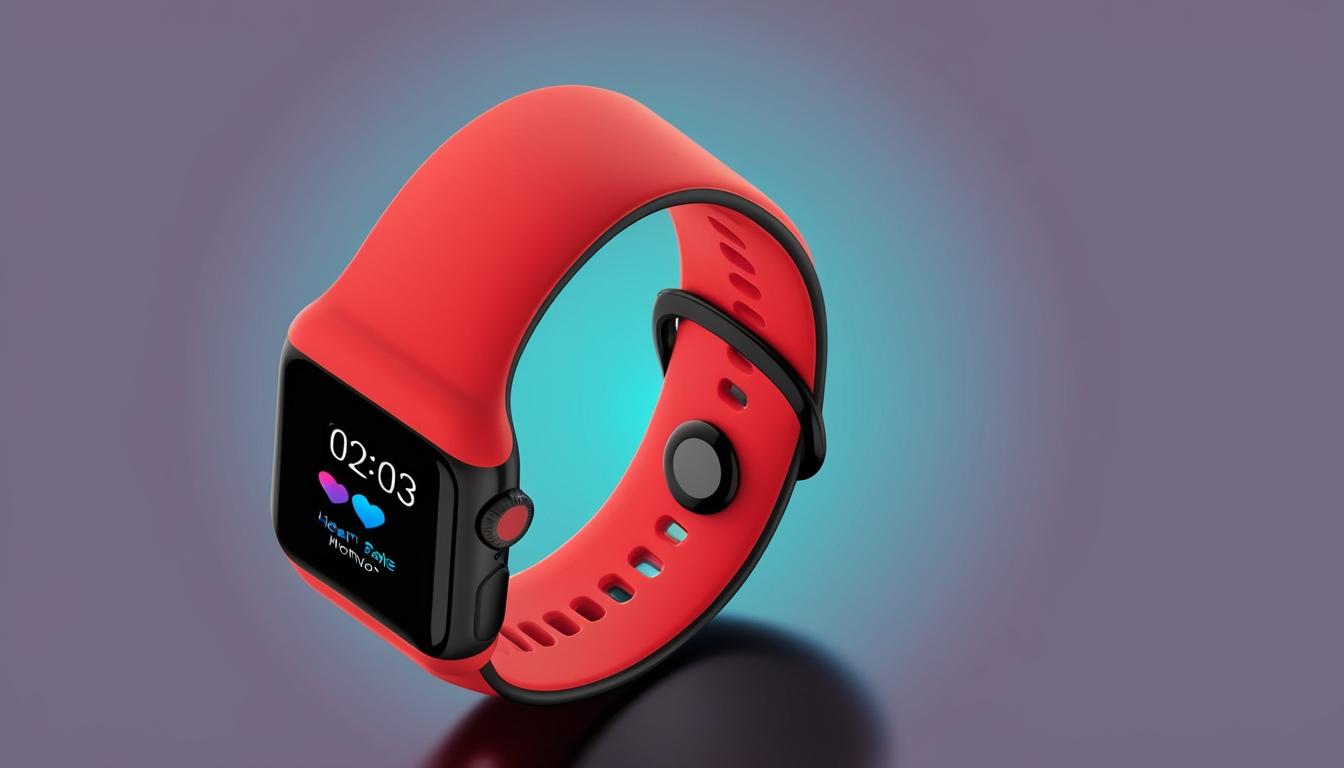
Recent advancements in wearable health technology are reshaping patient care for chronic disease management, enabling real-time health monitoring and improved patient engagement.
Recent advancements in wearable health technology highlight a significant transformation in patient care, particularly for those managing chronic diseases. The traditional model of healthcare delivery, where patients wait for scheduled appointments and lab results, is being reshaped by innovative wearable devices that offer real-time health monitoring and communication with healthcare providers.
Research from the University of Queensland, Brisbane, Australia, indicates that the integration of wearable health technology has led to improved outcomes for patients with chronic conditions. These devices, which encompass tools such as glucose meters, pacemakers, and defibrillators, are now capable of delivering a wealth of data that can be transmitted directly to health professionals. This immediate exchange of information enhances decision-making processes, potentially saving lives by allowing timely interventions.
The evolution of wearable technology has extended far beyond basic heart rate monitors. Modern devices now facilitate a wide array of health functions, including:
- Tracking sleep quality and quantity
- Providing heart rate and rhythm analysis
- Measuring blood glucose levels
- Managing respiration
- Monitoring blood pressure
- Conducting electrocardiograms
- Checking for fevers
For instance, glucose meters enable continuous tracking of blood sugar levels, which is critical for patients just starting on medication for diabetes management. This real-time data can inform healthcare providers on the effectiveness of prescribed treatment while enabling rapid responses to any anomalies.
Wearable technology has been shown to enhance patient engagement in their own health management. Patients can actively monitor their health data, leading to increased awareness and participation in their care processes. This shift towards self-monitoring has the potential to reduce the frequency of emergency visits, lessening the overall financial burden on healthcare systems. With continuous insight into their health trajectories, patients can seek help earlier, which can prevent complications associated with unmanaged chronic illnesses.
Despite the apparent benefits, the implementation of wearable technology is not without challenges. The initial costs can be high, and insurance coverage remains inconsistent. Many patients are unable to afford out-of-pocket expenses for these technologies, although initiatives are being introduced to improve accessibility.
Data security poses another concern. The handling of sensitive health information necessitates stringent security measures to protect against breaches. Modern encryption techniques are being adopted to mitigate these risks, ensuring that patient data is safeguarded.
Furthermore, the accuracy of wearable devices greatly depends on the quality of the technology employed. Manufacturers are focusing on producing reliable devices, and educating users on proper usage is essential to maximise the effectiveness of these tools.
Looking to the future, wearable health technology is expected to evolve further, providing more comprehensive insights and personalised recommendations. Potential developments include capabilities such as automated insulin dosing based on real-time glucose monitoring, fuelling a more proactive approach to disease management.
Overall, wearable technology stands at the forefront of a healthcare revolution, particularly in chronic disease management, bringing a new dimension of active participation into patient care. The ongoing shifts in technology and patient engagement strategies promise to redefine healthcare delivery in the coming years.
Source: Noah Wire Services
- https://goodmanlantern.com/whitepaper/chronic-disease-care-management/ – This source corroborates the use of wearable devices for real-time health monitoring, early detection, and personalized interventions in chronic disease management.
- https://www.rupahealth.com/post/wearable-devices-a-new-frontier-in-chronic-disease-management-for-healthcare-practitioners – This article supports the idea that wearable devices can track various health metrics, enhance patient engagement, and provide real-time data to guide treatment plans for chronic diseases.
- https://www.jmir.org/2022/7/e36690/ – This systematic review highlights the influence of wearables on health care outcomes in individuals with chronic diseases, including improved self-management and early detection of health issues.
- https://kms-healthcare.com/blog/wearable-technology-in-healthcare/ – This source explains how wearable technology enhances real-time health monitoring, increases access to healthcare data, and supports chronic disease management by providing continuous and accurate health metrics.
- https://www.ifm.org/news-insights/wearable-devices-technologies-management-prevention-of-chronic-disease/ – This article discusses the role of wearable devices in remote health monitoring, improving chronic disease home care, and reducing hospital admissions, which aligns with the benefits of real-time health monitoring and communication with healthcare providers.
- https://goodmanlantern.com/whitepaper/chronic-disease-care-management/ – This source details how wearable devices like glucose meters and smartwatches facilitate continuous tracking of vital signs and health metrics, such as blood glucose levels and heart rate, which is critical for managing chronic conditions like diabetes.
- https://www.rupahealth.com/post/wearable-devices-a-new-frontier-in-chronic-disease-management-for-healthcare-practitioners – This article mentions that wearable devices can monitor sleep quality, heart rate, blood glucose levels, and other metrics, extending beyond basic heart rate monitoring and enhancing patient care.
- https://kms-healthcare.com/blog/wearable-technology-in-healthcare/ – This source emphasizes the importance of wearable technology in providing real-time health data, which can alert healthcare professionals to irregular vital signs and facilitate timely interventions.
- https://www.ifm.org/news-insights/wearable-devices-technologies-management-prevention-of-chronic-disease/ – This article highlights how wearable devices increase patient engagement and empowerment by providing continuous access to health data, leading to increased awareness and participation in care processes.
- https://www.jmir.org/2022/7/e36690/ – This systematic review discusses the challenges and future directions of wearable technology, including the need for strong empirical evidence, clear implementation guidance, and addressing data security concerns.
- https://kms-healthcare.com/blog/wearable-technology-in-healthcare/ – This source addresses the future developments in wearable health technology, such as automated insulin dosing based on real-time glucose monitoring, and the importance of data security and accuracy in these devices.






