






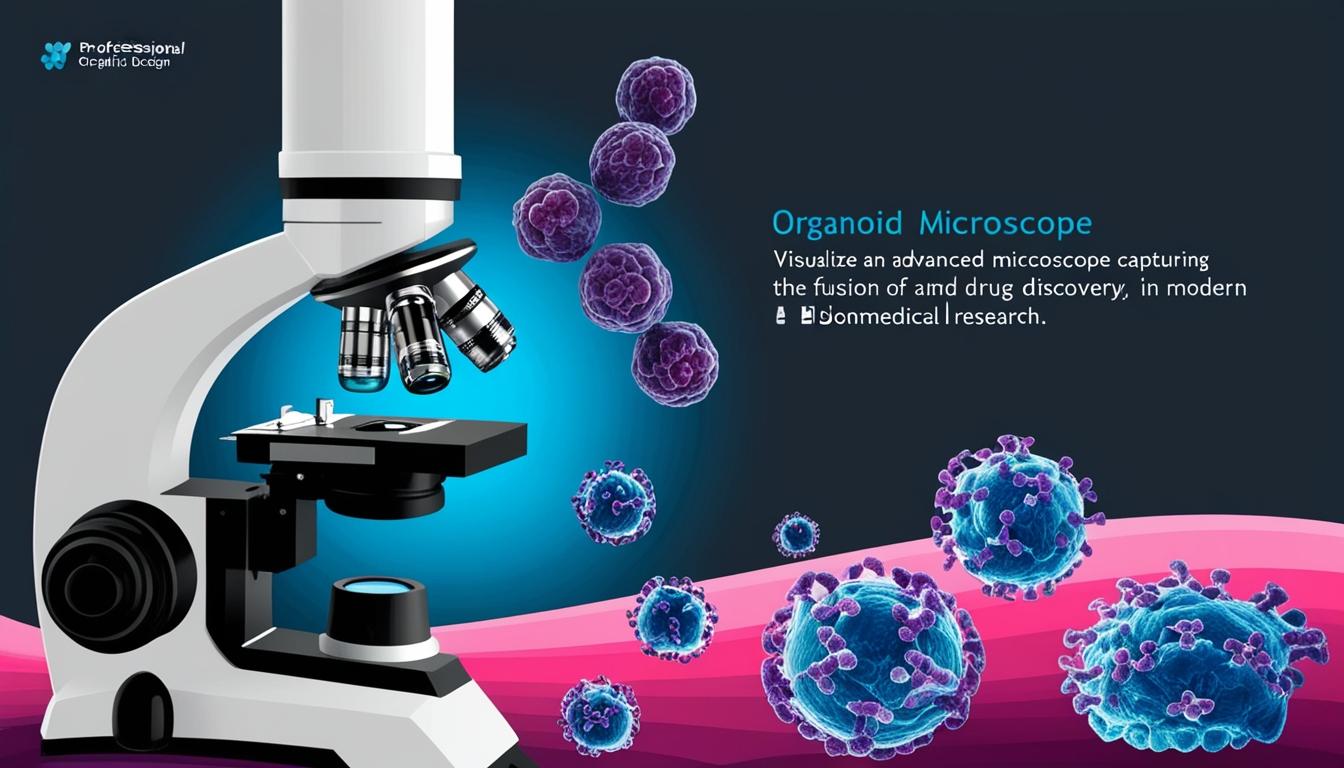

The upcoming webinar aims to explore the integration of complex in vitro models and advanced imaging technologies in drug discovery, highlighting innovative techniques and the role of AI.
The landscape of drug discovery and disease research is experiencing a significant transformation with the integration of complex in vitro models (CIVM) and advanced image analysis technologies. This shift has been catalysed by the U.S. Food and Drug Administration’s (FDA) endorsement of organoids in preclinical research. Organoids, which are miniaturised and simplified versions of organs, provide more biologically relevant data, making them highly valuable for drug testing and understanding disease mechanisms. However, these complex models require sophisticated imaging and analysis techniques to fully exploit their potential.
Traditional 2D high-content analysis techniques have proven insufficient in capturing the intricate details of 3D biological structures found in CIVM. This limitation has led researchers to seek advanced solutions to analyse the datasets effectively. Modern microscopy systems now produce detailed 3D and 4D datasets which provide unprecedented insights into cellular structures, but these too come with the challenge of managing high levels of data variability inherent in many 3D cell culturing methods.
To address these challenges, a webinar titled “Advancing Drug Discovery by Combining Complex In Vitro Models with AI-Powered 3D/4D Image Analysis” is being held, sponsored by Drug Discovery World (DDW) and ZEISS, a leader in optical solutions. Scheduled for 14 November, the event will start at 7 am PST, 10 am EST, 3 pm GMT, and 4 pm CET. The aim of the webinar is to showcase innovative tools and techniques that synergise CIVM with cutting-edge imaging technologies powered by artificial intelligence.
The seminar will cover several key topics essential for modern drug discovery. These include the automation of CIVM generation and the quantification of data at scale, which are crucial for efficiently managing large amounts of information generated by modern imaging systems. Additionally, it will discuss both brightfield and fluorescent imaging techniques specifically tailored for 3D cell culture, providing attendees with knowledge on capturing comprehensive data accurately.

A significant focus will be on the role of AI and parallel computing in the robust analysis of 3D hydrogel cultures. These technologies are pivotal in interpreting complex datasets, offering detailed insights into cellular behaviours and interactions. Another important topic will be efficient drug response pattern detection across large 3D imaging datasets, which is vital for the identification and development of new therapeutics.
The webinar will conclude with a Q&A session, providing participants the opportunity to engage with the speakers, clarify doubts, and delve deeper into the discussed innovations. This interactive component is designed to facilitate a deeper understanding and encourage knowledge exchange among researchers, scientists, and industry professionals.
No fee is required to attend the webinar, but prior registration is necessary to secure a spot. This initiative underscores the ongoing evolution in drug discovery methodologies, highlighting the potential of combining technological advancements with biological research to pave the way for groundbreaking discoveries in medicine.
Source: Noah Wire Services







