





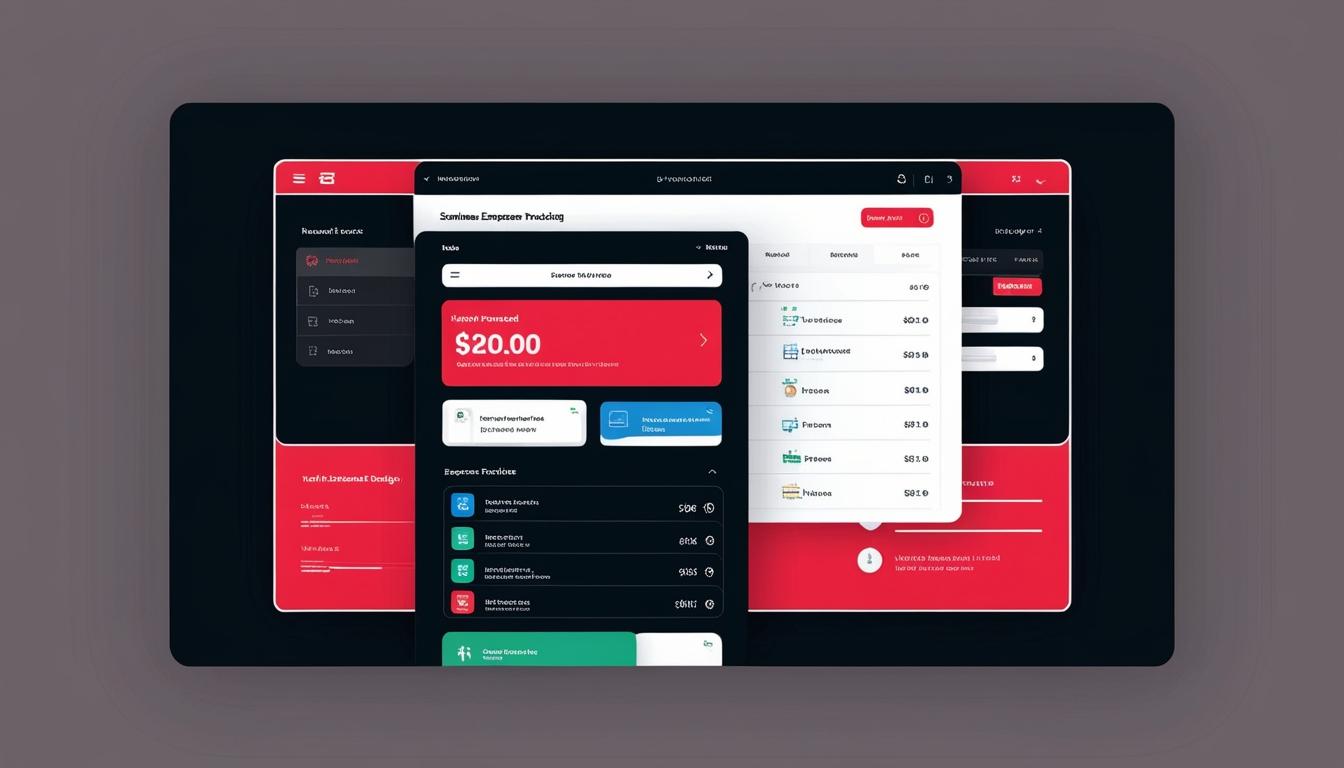

As companies increasingly adopt automation tools, the complexities of managing business travel and expenses are being significantly simplified, enhancing efficiency and compliance.
Business travel remains a vital aspect for many companies, facilitating crucial meetings, conferences, and on-site evaluations. However, the intricacies involved in managing such trips—particularly around expense submissions and reimbursements—have long posed challenges. TechBullion reports that businesses are increasingly leveraging automation tools to streamline these processes, simplifying travel and expense reporting significantly.
Traditional methods of tracking travel expenses demand employees manually submit receipts, complete detailed expense forms, and monitor travel itineraries. The approval procedure often spans multiple stages, including management reviews and adjustments, before reaching the finance department for final assessment. This lengthy cycle can lead to errors, delays, and lost opportunities for cost savings. The overwhelming volume of paperwork can hinder employees’ ability to comply with company policies, resulting in missed submissions or inaccuracies in reporting.
To combat these challenges, businesses are turning towards automation for their travel and expense reporting. This innovative approach involves utilising software or dedicated platforms to manage the travel process, encompassing everything from booking trips to cataloguing expenses and overseeing approvals. Within such systems, compliance with company policies can be assured, with automated checks preventing any non-compliant expenditures.
One prominent advantage of automation is the enhancement of the travel booking procedure. Previously, employees would navigate various systems to arrange flights, accommodations, and car rentals. Automation centralises this process on a single platform, making bookings straightforward and aligning them with established company policies. These systems typically allow employees to book travel within fixed budgets, automatically flagging instances where potential overspending occurs.

Furthermore, as workers travel, automated systems ease the task of tracking expenses. Employees can swiftly upload photographs of receipts directly through their smartphones, negating the need for paper documentation. The automated framework also categorises expenses based on pre-defined rules, effectively reducing misclassification errors. For example, expenses incurred for business meals may be easily identified, whereas travel costs are distinctly classified under relevant categories.
Another critical feature of automation is its capability to enforce travel and expense policies. Such systems can apply strict guidelines regarding daily per diems and authorized vendors. Consequently, if an employee submits an expense report that contravenes company policy—such as an unapproved hotel stay—the system can flag this issue, prompting a necessary adjustment before submission.
The approval workflow benefits substantially from automation, too. In systems reliant on traditional methods, approvals can be sluggish, involving multiple reviews before resolution. Automated platforms allow managers to assess and process expenses in real-time, notifying them when a report is ready for their attention. This rapid approach accelerates the reimbursement process, enabling employees to receive payments far quicker than previous systems permitted, ultimately enhancing their satisfaction.
Integration forms another advantage of automated systems, as they can seamlessly connect with accounting and enterprise resource planning tools, enhancing financial visibility across the business. By consolidating travel and expense data, companies can avoid cumbersome manual entry while gaining insights into spending patterns. With these analytics, organisations are empowered to identify overspending trends and shift focus towards more efficient budgeting strategies.
The benefits of adopting an automated travel and expense reporting system are manifold. The enhanced efficiency enables employees to refocus their time from administrative tasks to strategic initiatives. By reducing manual data entry, automation mitigates error risks and fraud. Moreover, systems designed to adhere to company policies ensure compliance, allowing for easy auditing.
Additionally, agility in processing expense reports enables swift reimbursements, facilitating contentment among employees. The analytical capabilities inherent in automation can also uncover potential cost savings by identifying inefficiencies in travel spending.
To successfully implement such automation, businesses must follow fundamental steps, beginning with selecting an appropriate tool tailored to their specific needs. With an array of options in the market, companies should seek platforms that integrate seamlessly with existing systems and provide comprehensive data tracking capabilities. Clear policy definitions related to approved expenditures and reimbursement procedures must also be established to ensure compliance within the automation framework.
Finally, thorough employee training is paramount for adapting to the new system. Employees should be well-versed in how to utilise the platform for booking and expense submissions, maximising the likelihood of successful adoption. Regular monitoring and optimisation of the system can assist businesses in understanding its effectiveness and allow for adjustments as needed.
As businesses explore future trends in AI-driven automation, the impact on travel and expense reporting processes is evident. The shift towards automation not only promises enhanced operational efficiency and compliance but also a more favourable experience for employees navigating the complexities of business travel.
Source: Noah Wire Services
- https://www.rippling.com/blog/travel-and-expense-software – Corroborates the use of automation tools like Ramp, Brex, and SAP Concur for streamlining travel and expense reporting, including features like automated expense tracking and policy compliance.
- https://www.emburse.com/solutions/travel-management – Supports the centralization of travel booking and expense management on a single platform, ensuring compliance with company policies and automating processes like re-shopping and booking.
- https://tipalti.com/blog/travel-and-expense-management-software/ – Explains how travel and expense management software, such as Tipalti and SAP Concur, automate expense reporting, approval workflows, and integrate with accounting and ERP systems.
- https://www.travelperk.com/blog/best-travel-expense-software/ – Highlights the benefits of automation in travel and expense management, including streamlined corporate travel, automated expense reporting, and integration with other tools like Spendesk and Fyle.
- https://thecfoclub.com/tools/best-travel-and-expense-management-software/ – Details the advantages of automated travel and expense management software, such as improved accuracy, cost savings, time efficiency, and enhanced visibility into spending patterns.
- https://www.rippling.com/blog/travel-and-expense-software – Describes how systems like Navan (formerly TripActions) automate expense categorization, enforce spending controls, and provide real-time monitoring of global spend.
- https://www.emburse.com/solutions/travel-management – Explains the automated re-shopping and booking features, as well as the ability to audit supplier contracts and identify program leakage, contributing to cost savings and compliance.
- https://tipalti.com/blog/travel-and-expense-management-software/ – Discusses the integration of travel and expense management software with AP automation, reducing total accounts payable processing time and enhancing financial visibility.
- https://www.travelperk.com/blog/best-travel-expense-software/ – Mentions the importance of clear policy definitions and employee training for successful adoption of automated travel and expense reporting systems.
- https://thecfoclub.com/tools/best-travel-and-expense-management-software/ – Outlines the factors to consider when selecting travel and expense management software, including scalability, integrations, customizability, ease of use, budget, and security safeguards.
- https://www.emburse.com/solutions/travel-management – Details the analytical capabilities of automated systems, such as identifying opportunities for savings and optimizing travel policies through ‘what if’ scenario analysis.







