









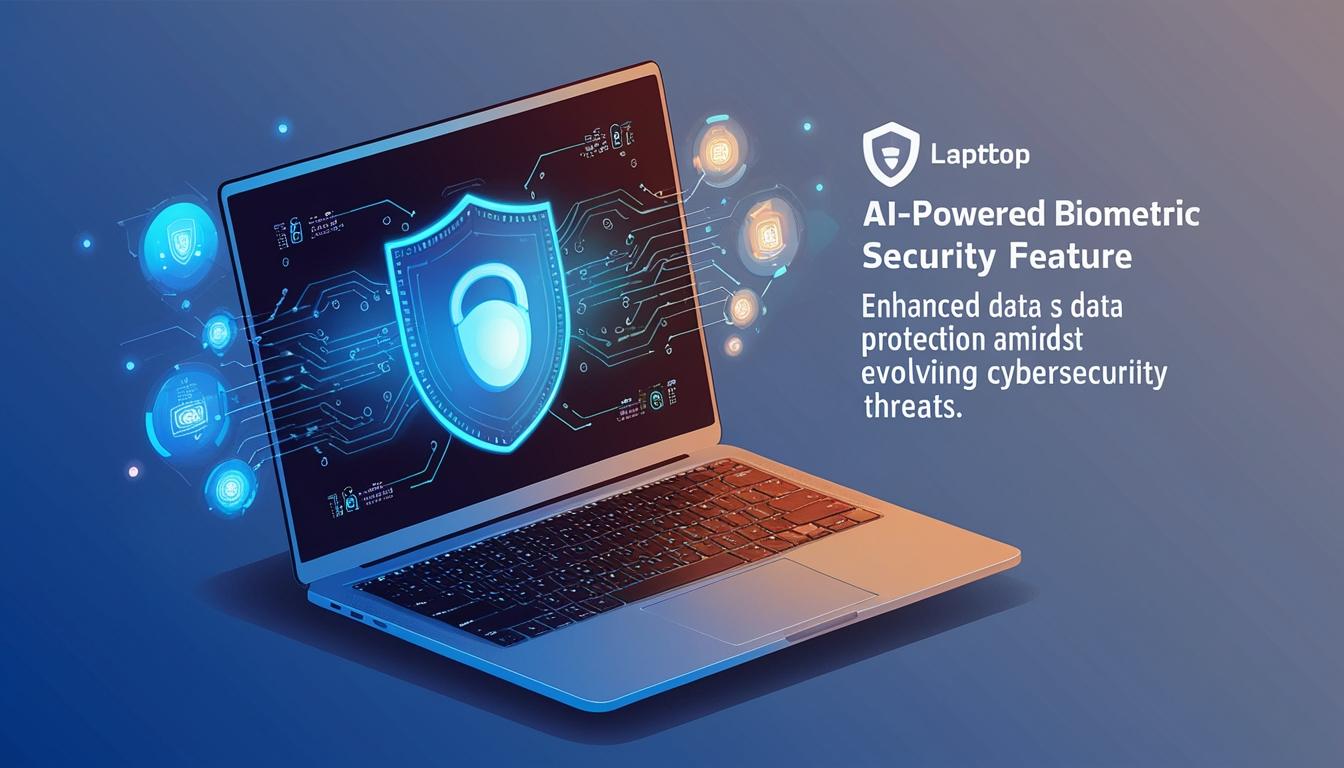
As artificial intelligence transforms laptop technology, it brings both enhanced user experiences and significant data security challenges that must be navigated.
The integration of artificial intelligence (AI) into modern laptop technology marks a significant evolution in computing, fundamentally altering the way users interact with their devices. These advancements offer multiple advantages, such as personalized user experiences and optimised performance through intelligent resource management. However, the increasing prevalence of AI technologies within laptops has prompted discussions around data security, highlighting both the benefits and potential vulnerabilities these devices may present.
AI’s Role in Enhancing Data Security
AI technology is instrumental in fortifying data security, deploying several sophisticated mechanisms to protect user information. One primary technique is anomaly detection. AI can scrutinise user behaviour to identify any irregularities that may denote a security breach. For example, if a user with a consistent geographical access pattern suddenly logs in from another country, the AI system can flag this as potential suspicious activity.
Additionally, AI systems are adept at real-time threat analysis, processing vast datasets at rapid speeds to swiftly identify and counteract threats such as malware or phishing attempts before they can cause harm. Furthermore, AI facilitates automated security updates, ensuring that laptops are consistently equipped with the latest defence strategies against evolving cybersecurity threats.
Biometric authentication is another area where AI enhances security in laptops. Utilising technologies like facial recognition or fingerprint scanners, AI-powered devices are more secure, as these methods significantly hinder unauthorised access.
Potential Risks and Vulnerabilities
Despite the security enhancements AI offers, it also introduces associated risks. Data privacy is a prominent concern, as AI systems often require extensive personal data access to function. Proper management of this data is crucial; otherwise, a breach could lead to sensitive information exposure.
Moreover, there’s the risk of AI algorithm manipulation. Cybercriminals might exploit vulnerabilities in these algorithms, employing adversarial attacks to deceive the systems. This could involve altering input data to bypass security or thwart anomaly detection mechanisms.
The reliance on connectivity for several AI security features is another vulnerability. Many systems depend on cloud-based services for data processing, potentially risking data exposure if these services are compromised. Furthermore, insider threats pose significant risks; individuals with system access could misuse their privileges, especially within organisations where AI tools handle critical data.
Best Practices for Security Enhancement
To effectively safeguard AI-powered laptops, users are encouraged to adopt specific security best practices. Regular software updates are crucial, as they apply the latest security patches to mitigate vulnerabilities. The use of strong, unique passwords and two-factor authentication can further strengthen security by making unauthorised access more challenging.
Data encryption offers an additional security layer, ensuring that intercepted information remains inaccessible without the proper decryption key. User education on recognising potential cybersecurity threats, such as phishing scams, plays a vital role in maintaining a secure environment. Lastly, integrating reputable antivirus and anti-malware software provides an essential line of defence against potential cyber threats.
Conclusion
AI-powered laptops signify a major leap forward in computing technology, offering enhanced user performance and experiences. Nonetheless, the sophistication of AI algorithms introduces certain data security challenges that must be addressed. While AI contributes to more robust protective measures and streamlined security processes, users must be proactive in recognising potential threats and implementing strategies to protect their data. By balancing advanced AI capabilities with stringent security practices, users can effectively mitigate the risks associated with AI-driven laptops, securing their personal and professional data in today’s interconnected world.
Source: Noah Wire Services






