





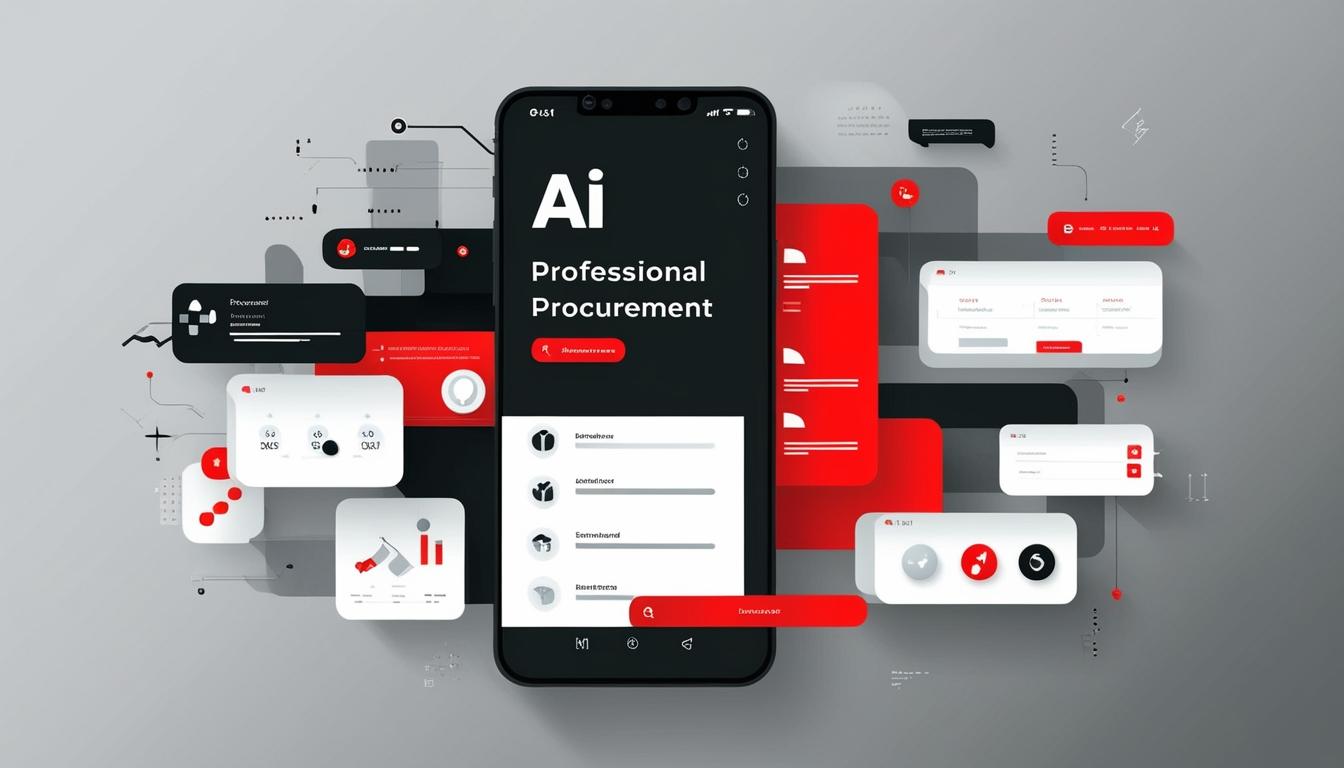
Procurement functions are increasingly leveraging AI, particularly generative AI, transforming traditional methods into strategic growth drivers while overcoming age-old challenges.
Procurement functions within businesses are undergoing a significant transformation, increasingly recognised as a key driver of growth, largely due to the integration of artificial intelligence (AI). Generative AI (GenAI) is at the forefront of this evolution, enhancing procurement’s efficiency, strategic influence, and inclusivity as it moves away from traditional methods reliant on spreadsheets and manual processes. The shift from conventional procurement practices to AI-enabled strategies is already in progress, signalling that AI adoption has become imperative for modern enterprises.
AI is revolutionising the procurement landscape by addressing long-standing challenges faced by procurement teams, including limited resources and unauthorised spending. The incorporation of GenAI allows organisations to embed procurement strategies at scale, facilitating guided intakes, intelligent supplier identification, and automated events. These advancements make interactions with procurement systems more intuitive and less cumbersome.
One of the primary improvements provided by GenAI is the simplification of complex processes. This includes automating document creation, where AI tools can analyse historical data to generate critical documentation such as contracts and purchase orders accurately and consistently. Moreover, AI enhances user experience through intuitive interfaces that employ natural language processing, allowing employees to engage with procurement systems without the necessity for extensive training.
Beyond streamlining processes, AI also enhances decision-making capabilities. By enabling data-driven insights, GenAI empowers procurement to transition from a reactive role to that of a proactive, strategic partner within businesses. This capability includes predictive analytics that can forecast demand and optimise inventory, ensuring necessary supplies are available while minimizing waste.

Additionally, AI fosters self-service procurement models, allowing procurement teams to extend their management capabilities beyond previously possible limits. With AI streamlining time-consuming tasks, teams can focus on strategic initiatives, resulting in increased spend under management and enhanced relationships between requesters and buyers. The self-service aspect of AI transforms purchase requests into guided conversations that help users navigate preferred suppliers and negotiate terms efficiently.
However, while the potential benefits of AI in procurement are significant, its adoption is not without challenges. Organisations often face cultural and operational hurdles in the transition to AI-driven processes. Acknowledging these challenges, many top-performing companies approach them with clear, strategic plans and a commitment to ongoing improvement. Success in AI adoption begins with defining specific objectives that align AI initiatives with business goals, allowing procurement leaders to showcase immediate value by addressing pain points such as inefficient manual processes and poor visibility into spending.
Cultural resistance emerges as a primary barrier to AI adoption, making it essential for leading organisations to cultivate a mindset that embraces experimentation and growth. By illustrating how AI can reduce workloads and facilitate strategic decision-making, companies can garner enthusiasm and faster adoption among their teams. The establishment of pilot projects targeting low-risk, high-impact initiatives is crucial in demonstrating AI’s tangible benefits, building momentum for broader implementation.
Looking ahead, the landscape of AI in procurement is poised for even more dramatic shifts. By 2025, AI is anticipated to become a fundamental requirement for organisations aiming to maintain competitiveness, with exponential growth in adoption expected. Companies that have been early adopters of AI already report measurable returns on investment (ROI), manifesting as cost savings and improved supplier relationships. These successes create a ripple effect, hastening the adoption process across procurement functions and further enhancing procurement’s role as a catalyst for enterprise-wide transformation.
Future advancements include the emergence of agentic AI, enabling autonomous communication between buyers and suppliers. This progress could allow virtual agents to negotiate terms and execute processes rapidly, ultimately reinventing procurement cycles and creating mutually beneficial situations for all parties involved.
The companies that will thrive in this evolving procurement ecosystem are those that seamlessly integrate AI into their operational strategies. Rather than treating AI as a supplementary tool, leading organisations view it as an integral element of their procurement approach, crucial for driving innovation and efficiency. For procurement leaders, the imperative is clear: initiate high-impact AI projects, adopt an adaptable mindset, and engage in continuous learning to leverage AI’s transformative potential effectively, underscoring the belief that the best is yet to come.
Source: Noah Wire Services
- https://www.scmr.com/article/ai-procurement-efficiency-insight – Corroborates the transformation of procurement through AI, highlighting its impact on efficiency, strategic decision-making, and supply chain management.
- https://kpmg.com/us/en/articles/2023/generative-ai-transform-procurement.html – Supports the role of generative AI in transforming procurement, including automation, enhanced customer experience, and improved supplier risk management.
- https://www.levadata.com/post/revolutionizing-procurement-the-role-of-ai – Details how AI revolutionizes procurement by optimizing supply chain management, automating routine tasks, and providing strategic insights.
- https://www.accenture.com/content/dam/accenture/final/accenture-com/document/Accenture-Generative-AI-Sourcing-and-Procurement.pdf – Explains how generative AI enhances procurement through guided intakes, intelligent supplier identification, and automated events, improving user experience and decision-making.
- https://www.scmr.com/article/ai-procurement-efficiency-insight – Discusses the challenges of AI adoption, such as data privacy and the complexity of integrating AI with existing systems, and the need for strategic planning.
- https://kpmg.com/us/en/articles/2023/generative-ai-transform-procurement.html – Addresses the cultural and operational hurdles in transitioning to AI-driven processes and the importance of clear strategic plans.
- https://www.levadata.com/post/revolutionizing-procurement-the-role-of-ai – Highlights the benefits of AI in reducing workloads and facilitating strategic decision-making, which can garner enthusiasm and faster adoption among teams.
- https://www.accenture.com/content/dam/accenture/final/accenture-com/document/Accenture-Generative-AI-Sourcing-and-Procurement.pdf – Describes the future advancements in AI, including the emergence of agentic AI for autonomous communication between buyers and suppliers.
- https://www.scmr.com/article/ai-procurement-efficiency-insight – Emphasizes the importance of integrating AI into operational strategies to drive innovation and efficiency, and the need for continuous learning.
- https://kpmg.com/us/en/articles/2023/generative-ai-transform-procurement.html – Supports the expectation that AI will become a fundamental requirement for competitiveness by 2025, with early adopters already reporting measurable ROI.







