






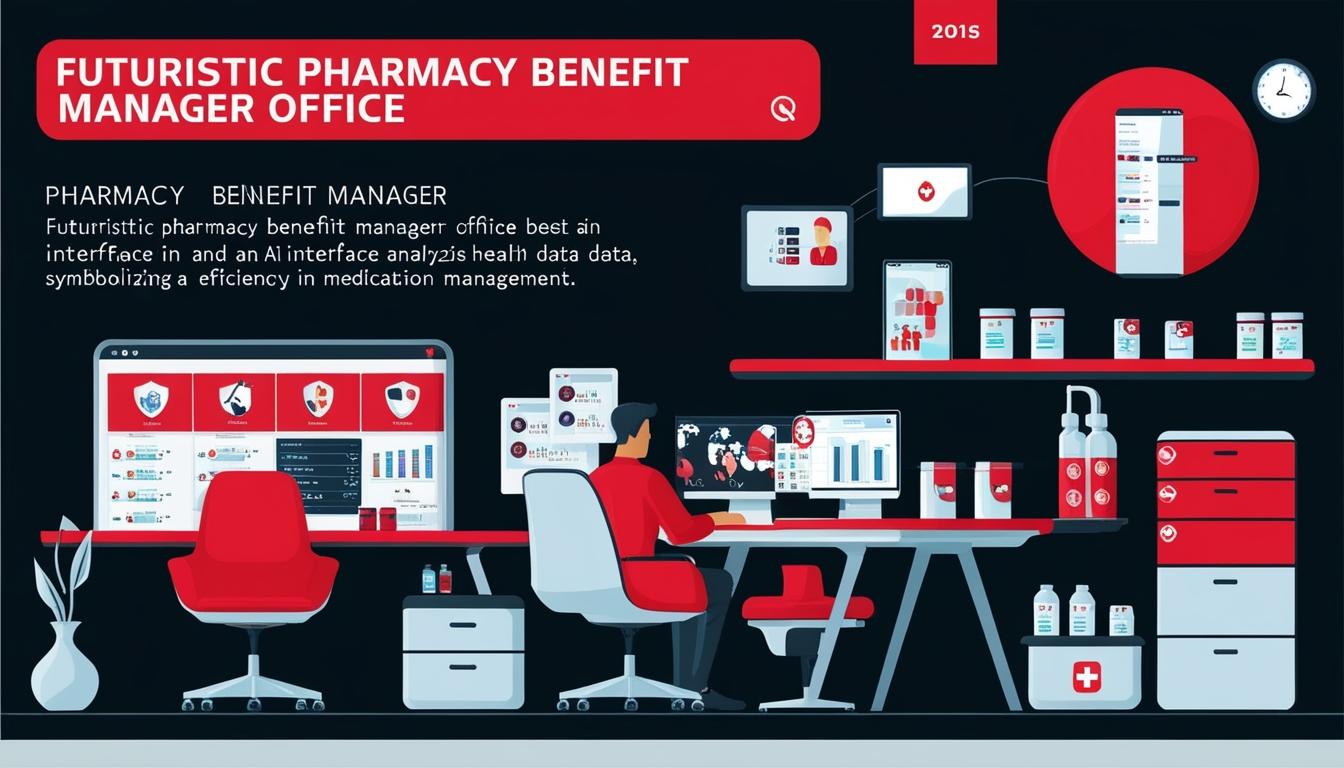
The pharmacy benefit manager industry is undergoing significant transformation driven by artificial intelligence, enhancing patient outcomes and optimising healthcare costs.
The pharmacy benefit manager (PBM) industry is amid a notable evolution catalysed by artificial intelligence (AI) and advanced analytics. This transformation is largely driven by escalating healthcare costs and the intricate nature of managing medication, prompting PBMs to incorporate AI technologies to enhance patient outcomes, streamline claims processing, reduce waste, and devise intelligent, data-driven health plans.
AI is proving integral across multiple sectors, including PBMs, due to its capability to swiftly analyse extensive datasets. The applications of AI in PBMs have been manifold, providing solutions that predict patient needs, optimise medication use, thwart fraudulent activities, and facilitate personalised health plans.
One of the most significant areas of impact is claims processing. The integration of AI-driven natural language processing and machine learning algorithms is automating the claims handling process. This development diminishes human errors, quickens approval times, and helps identify potential fraudulent claims. This leads to a more effective allocation of resources, which is essential in enhancing patient experience and generating cost savings.
Furthermore, predictive modelling is another critical application. AI can sift through patient histories and healthcare data to identify individuals at heightened risk for conditions such as diabetes or cardiovascular disease. Insight from these analyses allows PBMs to recommend programmes promoting medication adherence, lifestyle modifications, or alternative therapies, thereby helping to avert costly healthcare interventions.
Medication adherence programmes have also benefited from AI capabilities. The technology can flag patients who are likely to encounter challenges in adhering to their medication schedule based on behavioural patterns, demographics, and social determinants of health. Through targeted interventions—such as reminders or incentives—PBMs can help these patients achieve better health outcomes while simultaneously reducing overall healthcare expenditures.
When it comes to plan design, the ability of AI to analyse vast amounts of data is enabling PBMs to construct tailored benefit plans that are both cost-effective and patient-focused. Efficient strategies for utilisation management and formulary optimisation are emerging. By evaluating drug efficacy, costs, and usage trends, AI assists PBMs in pinpointing the most effective medications and discontinuing those that provide minimal value. This contributes to the design of formularies prioritising high-value treatments and minimising unnecessary spending.
Furthermore, AI provides insights into specific health challenges that distinct populations face, empowering PBMs to devise customised plans. For instance, if a notable segment of plan members has chronic conditions, PBMs can prioritise easy access to pertinent medications and support services, which augments member satisfaction and health outcomes.
Another critical area of attention is waste reduction and cost optimisation, which remain top priorities for PBMs. AI plays an essential role here, particularly in identifying and eliminating ineffective drug therapies. By analysing real-world evidence alongside clinical trial data, AI equips PBMs with the information necessary to make better formulary decisions that result in cost savings for both patients and payers.
Moreover, fraud detection and prevention is an area where AI demonstrates considerable effectiveness. AI models can uncover patterns of fraudulent activities—such as anomalous billing or prescribing behaviours—that may not be easily identifiable through traditional methods. This capability is instrumental in averting financial losses that arise from fraudulent claims.
In managing inventory and supply chains, AI-powered systems enhance efficiency by predicting medication demand, adjusting inventory dynamically, and circumventing potential problems like overstock or shortages. This optimises timely medication delivery for patients while mitigating financial losses linked to inventory mismanagement.
As healthcare transitions increasingly towards a data-driven paradigm, PBMs stand on the cusp of a remarkable opportunity to leverage AI to improve outcomes for both patients and payers. The continued integration of AI into claims management, plan design, and waste reduction holds the promise of streamlining processes, optimising resources, and offering enhanced personalised care. With ongoing innovations in AI technology, the impact of AI on pharmacy benefit management is anticipated only to amplify, heralding an era of greater efficiency and efficacy in PBM operations.
Source: Noah Wire Services
- https://medhealthoutlook.com/generative-ai-transforming-pharmacy-benefits-management/ – This article explains how generative AI is transforming Pharmacy Benefit Management by enhancing operational efficiency, improving decision-making, and delivering better patient outcomes. It covers areas such as automated prior authorization, fraud detection, and optimizing medication management.
- https://www.exlservice.com/insights/white-paper/pbm-companies-turn-ai-improve-operations-and-deliver-better-customer-experiences – This white paper discusses how PBMs are using AI to improve operations, reduce costs, and enhance the patient experience. It highlights the use of digital assistants, intelligent document processing, and AI-based intake solutions to automate workflows and improve member satisfaction.
- https://www.multimodal.dev/customer-stories/pbm-contracts-ai – This article details how customized AI solutions are automating the management and analysis of pharmaceutical contracts, ensuring accuracy and compliance. It discusses the reduction in processing time and improvement in data extraction accuracy.
- https://www.pharmafocusasia.com/articles/5-proven-ways-to-take-pbms-to-the-future-today-with-conversational-ai – This article outlines various ways AI is helping PBMs, including automated prescription management, outcome-based contracting, predicting barriers for field reimbursement managers, and estimating the best pricing and reimbursement. It also touches on fraud detection and waste reduction.
- https://www.marwoodgroup.com/insights/emerging-artificial-intelligence-applications-in-pharmacy/ – This insight explores the emerging AI applications in pharmacy, including improving prescriber accuracy, enhancing patient engagement, and optimizing patient-centric care. It discusses how AI can reduce medication errors and improve clinical judgment.
- https://medhealthoutlook.com/generative-ai-transforming-pharmacy-benefits-management/ – This article supports the claim that AI is used in predictive modelling to identify patients at risk for certain conditions and recommend appropriate programs, thereby preventing costly healthcare interventions.
- https://www.exlservice.com/insights/white-paper/pbm-companies-turn-ai-improve-operations-and-deliver-better-customer-experiences – This white paper corroborates the use of AI in plan design and formulary optimisation, enabling PBMs to create tailored benefit plans that are cost-effective and patient-focused.
- https://www.multimodal.dev/customer-stories/pbm-contracts-ai – This article supports the claim that AI is crucial in waste reduction and cost optimisation by identifying and eliminating ineffective drug therapies through the analysis of real-world evidence and clinical trial data.
- https://www.pharmafocusasia.com/articles/5-proven-ways-to-take-pbms-to-the-future-today-with-conversational-ai – This article explains how AI is used in fraud detection and prevention by uncovering patterns of fraudulent activities such as anomalous billing or prescribing behaviors.
- https://medhealthoutlook.com/generative-ai-transforming-pharmacy-benefits-management/ – This article discusses how AI-powered systems enhance efficiency in managing inventory and supply chains by predicting medication demand and adjusting inventory dynamically.
- https://www.exlservice.com/insights/white-paper/pbm-companies-turn-ai-improve-operations-and-deliver-better-customer-experiences – This white paper supports the transition of healthcare towards a data-driven paradigm, highlighting the role of AI in streamlining processes, optimising resources, and offering enhanced personalised care in PBM operations.







