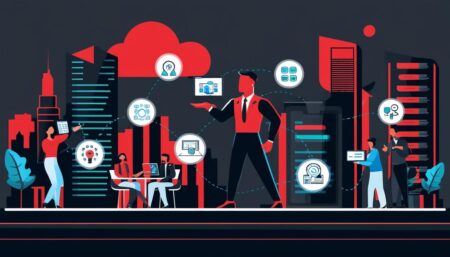
Artificial Intelligence is revolutionising marketing by enabling highly personalised consumer experiences, driven by advanced technologies such as NLP and recommendation systems.
Artificial Intelligence (AI) has significantly transformed how businesses approach marketing, shifting from a broad, one-size-fits-all strategy to a highly personalized experience tailored for individual consumers. Several AI technologies are at the forefront of this revolution, each playing a distinct role in enhancing marketing effectiveness and consumer engagement.
Natural Language Processing (NLP) stands out as a pivotal tool, allowing machines to understand and interact using human language. This technology enables companies to analyse customer interactions and generate personalized messages and content, fostering meaningful conversations between brands and consumers. Such engagement is likely to result in increased customer loyalty, as brands can create tailored experiences that resonate with individuals.
Recommendation systems have also proven instrumental in this shift. Utilised effectively by industry leaders such as Amazon and Netflix, these AI-powered engines analyse user behaviour and preferences to suggest customised products or content. This targeted approach not only enriches the buying experience but also significantly drives conversion rates, as consumers are presented with offerings that closely match their interests.
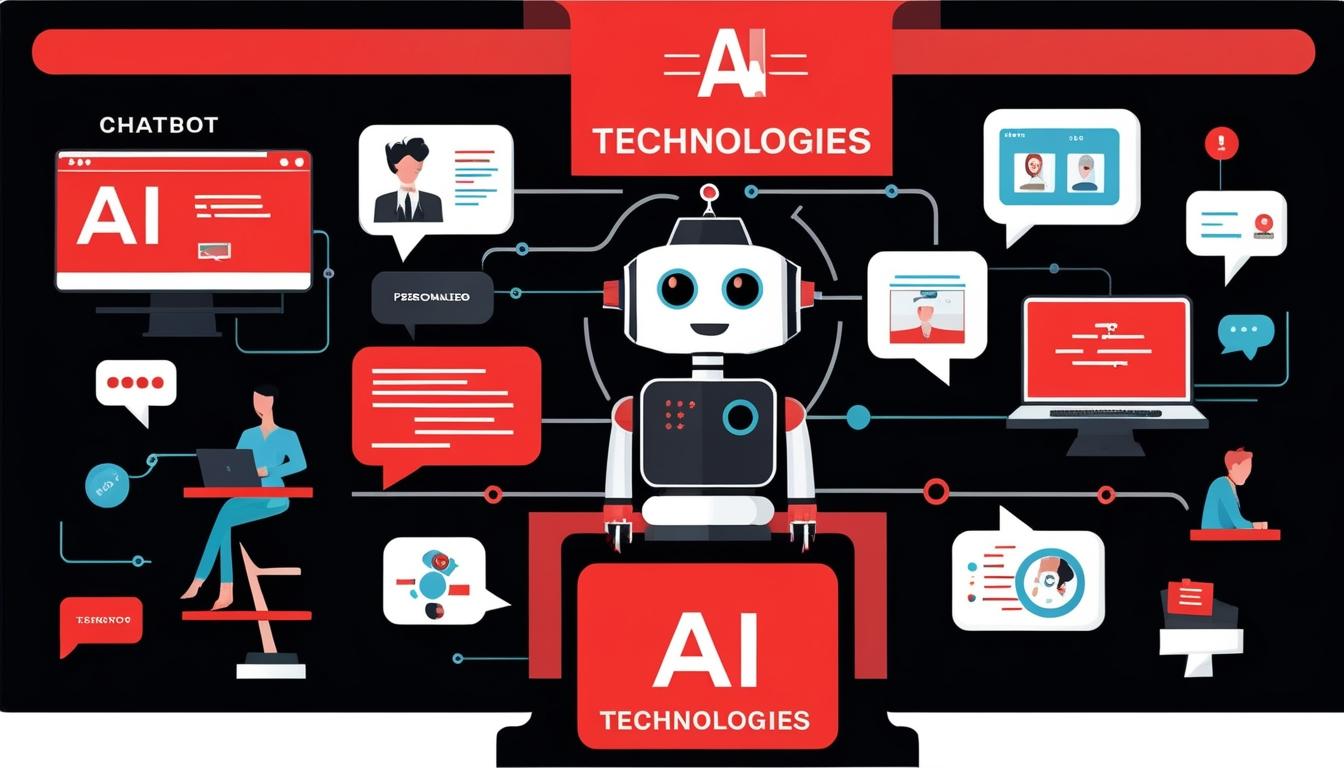
Moreover, AI-based chatbots and virtual assistants are making notable strides in customer support. These systems provide real-time, personalized assistance by learning from each interaction. Such capabilities enhance user satisfaction and reduce the manual effort usually associated with customer queries, contributing to smoother and more efficient service delivery.
In addition, the ability of AI to perform image and video recognition is aiding in the customization of advertisements. By analysing visual preferences gleaned from social media and other online platforms, brands can create highly targeted and engaging marketing campaigns. This precision in advertising has the potential to increase the effectiveness of marketing strategies considerably.
Sentiment analysis also plays a crucial role within the realm of AI in marketing. This technology allows brands to evaluate consumer emotions derived from various feedback channels. As a result, companies can align their messaging with customer expectations, refining their strategies to better meet the desires and needs of their audience.
As businesses increasingly adopt these AI technologies, the landscape of marketing continues to evolve, driving growth and facilitating deeper connections with consumers across various sectors. The applications of AI in marketing exemplify a significant advancement in how companies engage with their clientele, paving the way for more sophisticated and tailored marketing strategies.
Source: Noah Wire Services
- https://kumo.ai/resources/blog/ns-newsarticle-maximizing-engagement-with-ai-personalization-strategies-for-the-modern-marketer/ – This article explains how AI personalization leverages real-time data and machine learning to create customized experiences, leading to higher customer satisfaction and loyalty, which supports the claim about AI transforming marketing strategies.
- https://reputation.com/resources/articles/marketing-use-cases-for-natural-language-processing/ – This resource highlights the role of NLP in analyzing customer interactions, identifying new audiences, and broadening ad placement channels, which corroborates the use of NLP for personalized messages and content.
- https://www.stackadapt.com/resources/blog/natural-language-processing-in-marketing – This article discusses how NLP enhances customer insights and trend predictions, and its application in sentiment analysis and targeted advertising, supporting the claims about NLP’s role in marketing.
- https://kumo.ai/resources/blog/ns-newsarticle-maximizing-engagement-with-ai-personalization-strategies-for-the-modern-marketer/ – This article mentions the use of recommendation systems by industry leaders like Sephora, which aligns with the discussion on AI-powered recommendation systems driving conversion rates.
- https://wisernotify.com/blog/personalization-stats/ – This resource provides statistics on how personalization, including AI-powered chatbots and virtual assistants, increases customer satisfaction and loyalty, supporting the claim about enhanced customer support.
- https://www.stackadapt.com/resources/blog/natural-language-processing-in-marketing – This article explains how NLP is used in image and video recognition to customize advertisements, which supports the claim about AI aiding in the customization of ads.
- https://reputation.com/resources/articles/marketing-use-cases-for-natural-language-processing/ – This resource details how NLP helps in sentiment analysis to evaluate consumer emotions, allowing companies to align their messaging with customer expectations.
- https://wisernotify.com/blog/personalization-stats/ – This article provides statistics on how AI personalization increases ROI and customer engagement, supporting the overall evolution of marketing strategies with AI.
- https://kumo.ai/resources/blog/ns-newsarticle-maximizing-engagement-with-ai-personalization-strategies-for-the-modern-marketer/ – This article discusses the importance of measuring the success of AI personalization through various metrics, including customer feedback and conversion rates, which aligns with the claim about refining marketing strategies.
- https://www.stackadapt.com/resources/blog/natural-language-processing-in-marketing – This resource highlights the practical applications of NLP in marketing, including customer segmentation and personalization, which supports the claim about NLP’s pivotal role in marketing.
- https://reputation.com/resources/articles/marketing-use-cases-for-natural-language-processing/ – This article explains how NLP helps companies gain insights that improve customer experience and drive revenue, supporting the claim about AI facilitating deeper connections with consumers.