






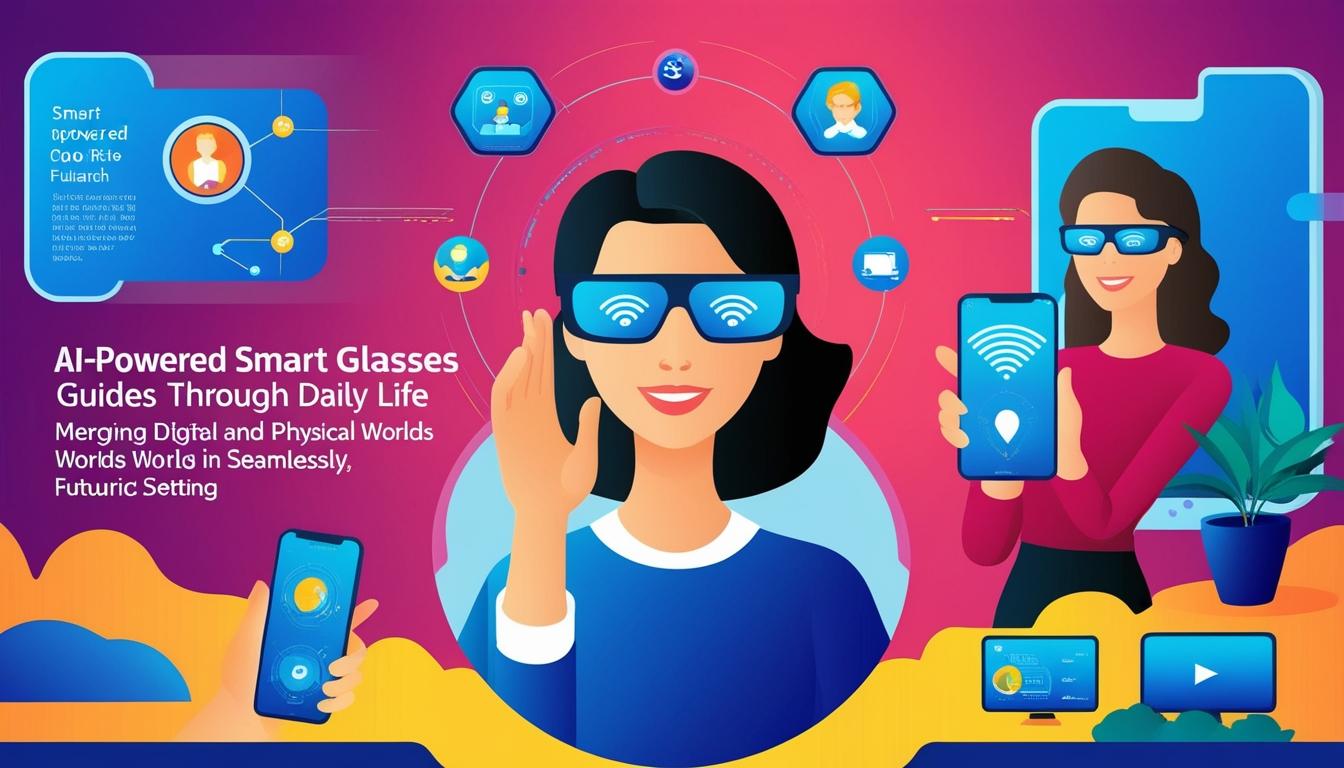

The tech industry is on the brink of a transformation with the arrival of the ‘Whisperverse’, where AI and AR technologies will redefine personal computing and user interaction.
The tech industry is poised for a significant transformation as advances in artificial intelligence (AI) and augmented reality (AR) converge to create a new paradigm in personal computing known as the ‘Whisperverse’. This vision of the future, anticipated to materialise within the next few years, centres around AI-powered devices that seamlessly integrate into our daily lives, offering real-time guidance and assistance.
Leading this transition are major tech giants including Meta, Apple, and Google, who are investing heavily in developing AR and AI technologies. The evolution of these technologies is expected to shift the landscape of mobile computing, transitioning from handheld devices to wearable tech such as AI-enhanced glasses and earbuds.
These innovations promise to transform how individuals interact with technology and the world around them. Instead of passively receiving information, users will be guided by AI that anticipates their needs and provides contextual advice. It is envisaged that these AI assistants will coach users throughout their day, reminding them of tasks, enhancing social interactions, and providing support in professional environments.
The use of AI-powered glasses is particularly notable. These devices will blend the digital and physical worlds, displaying visual content such as text and images integrated into the user’s environment. This provides the AI the ability to offer discreet and unobtrusive assistance, making the user experience more immersive and interactive. Equipped with cameras and sensors, these glasses can capture the user’s surroundings, using AI to deliver relevant information directly to the user.

Meta, in particular, has been at the forefront of this innovation with the release of their AI-powered Ray-Ban smart glasses. These devices, although currently marketed as a niche product, are seen as a pivotal development in this new era of mobile computing. At the recent Meta Connect event, the company introduced new features such as car location assistance, real-time language translation, and the ability to answer questions based on visual cues.
Looking ahead, experts anticipate further advancements, including the development of photorealistic avatars and ‘Electronic Life Facilitators’ (ELFs), as conceptualised by computer scientist Louis Rosenberg. These AI entities could eventually appear as small, interactive characters that provide assistance in a user-friendly manner, potentially transforming how individuals engage with their environments and technology.
However, amid the enthusiasm for these technological advancements, there are concerns about privacy and the potential for misuse. The powerful influence of AI-driven guidance and its integration of digital elements into daily life raises questions about personal privacy and autonomy. As these technologies develop, there is a call for careful consideration of the implications, particularly regarding the potential for persuasion and manipulation.
It is clear that the ‘Whisperverse’ represents a significant leap in how technology can integrate with human lives. As these developments continue to unfold, they are poised to create an impactful shift in not only technology use but also social interactions and professional dynamics, sparking a new chapter in digital evolution by the early 2030s.
Source: Noah Wire Services







