









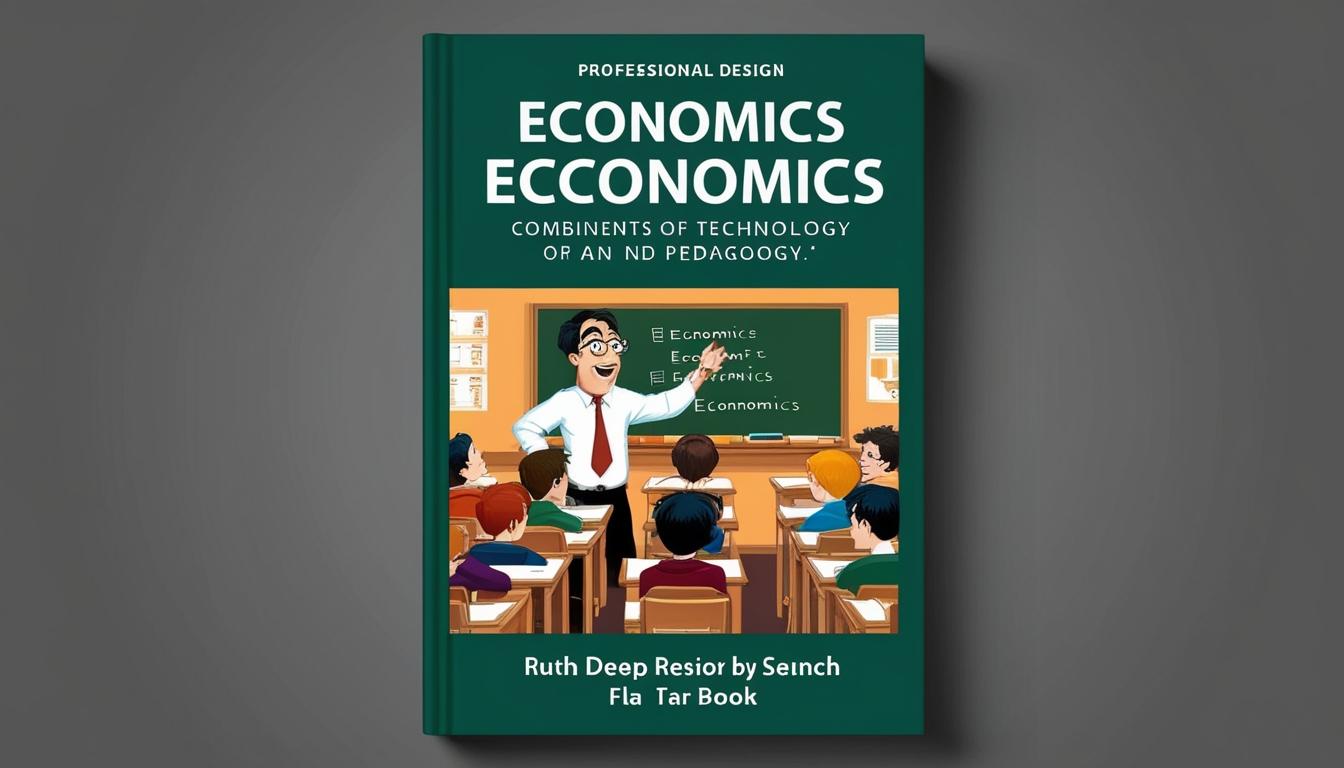
A teacher has harnessed the power of AI to transform concepts of questioning techniques into what aims to be the first in a series of educational books, illustrating the integration of technology in teaching methodologies.
Innovative Educational Resources: Teacher Utilises AI To Develop Pedagogical Book
In a burgeoning intersection of artificial intelligence and education, a teacher has remarkably transformed an initial attempt to consolidate ideas on questioning techniques into what is hoped to be the first in a series of educational books. This development underscores the growing influence of AI technology in academic settings, offering new dimensions to teaching methodologies and resource creation.
The journey began as a simple desire to collaborate with a colleague on enhancing questioning techniques. This endeavour soon evolved into an ambitious project as the educator explored the capabilities of the AI tool, ChatGPT. Engaging in a dialogue with the AI, the teacher discovered its potential to serve as a collaborative partner in refining and expanding upon educational strategies. The initial query to ChatGPT was a straightforward one regarding familiarity with educational strategist Doug Lamov’s work, which sparked a creative process focused on the economics classroom.
Through an intense and iterative process, the educator engaged ChatGPT as a sounding board, allowing for the refinement and clarification of ideas. This collaborative brainstorming helped transform loosely organised thoughts into coherent educational techniques, tailored specifically for teaching economics. Throughout several hours of discussion, the AI-assisted in structuring these teaching strategies into a clear, compelling format that was easy to share with colleagues.
Upon completing the manuscript, the educator continued to leverage AI by commissioning ChatGPT to generate an appropriate image for the front cover of the book. After finalising the main content, the teacher sought to infuse a lighter tone by incorporating economics-themed jokes into the book. Here, ChatGPT once again played a crucial role, producing humorous sketches and jokes that now grace the beginning of each chapter, depicting a teacher engaging students with wit and humour in an economics lesson.
In addition to AI, design tool Canva was employed to further refine the visual aspects of the book. It was instrumental in editing the cover and the cartoon sketches that accompany each chapter, highlighting a supplementary use of technology in educational resource development.
The educator’s innovative approach to book creation exemplifies how AI tools can be integrated into traditional teaching methods, creating resources that engage and inspire. As anticipation builds for its publication, the book is poised to offer a unique perspective to educators and lay a foundation for future works in the series. Readers can expect its appearance on bestseller lists, heralding a new era of AI-assisted educational materials.
Source: Noah Wire Services






