









Amidst the ongoing push to optimise customer service interactions, traditional call routing systems face criticism for inefficiencies and customer frustration, prompting the need for innovative strategies and technologies.
In recent discussions about optimising customer service interactions, the inefficiencies and frustrations associated with traditional call routing systems have come under scrutiny. Despite advancements meant to improve these systems, many customers still report dissatisfaction stemming from confusing menu options, outdated information, high call volume messages, and ineffective self-service features. These challenges have sparked a drive towards enhancing the functionality of call routing systems to better meet modern customer needs and expectations.
The key to effective call routing lies in crafting a system that feels intuitive and relevant to customers. Implementing clear and well-scripted questions is essential, allowing customers to immediately feel understood and directed towards their desired service outcome. Furthermore, a good information architecture ensures easy navigation, presenting top options promptly and clearly. It is critical for contact centres to regularly update their system options to reflect current customer requirements, thereby avoiding irrelevant or outdated selections that exacerbate frustration.
To alleviate customer annoyance, it’s also crucial that waiting messages are pertinent and provide helpful information, such as an estimate of the queue time. This can set realistic expectations for wait times and potentially reduce perceived dissatisfaction. In addition, offering efficient self-service options with seamless pathways for escalation to human agents when necessary can enhance the overall service experience.
With the integration of AI into call routing systems, these processes can be more accurately aligned with customer needs. AI can support dynamic routing adjustments in response to high traffic, effectively reducing bottlenecks. Contact centres can also leverage AI to bring contextual insights from customer information systems, offering a more tailored interaction.
The notion that routing strategies should evolve over time is underscored by the need to regularly review and update routing approaches based on real-time data. This can involve spotting trends in customer queries and adapting services to fit shifting demands or close service gaps. Such adaptability not only boosts first contact resolution but also supports the prediction of future needs, ultimately creating a smoother and more positive customer journey.
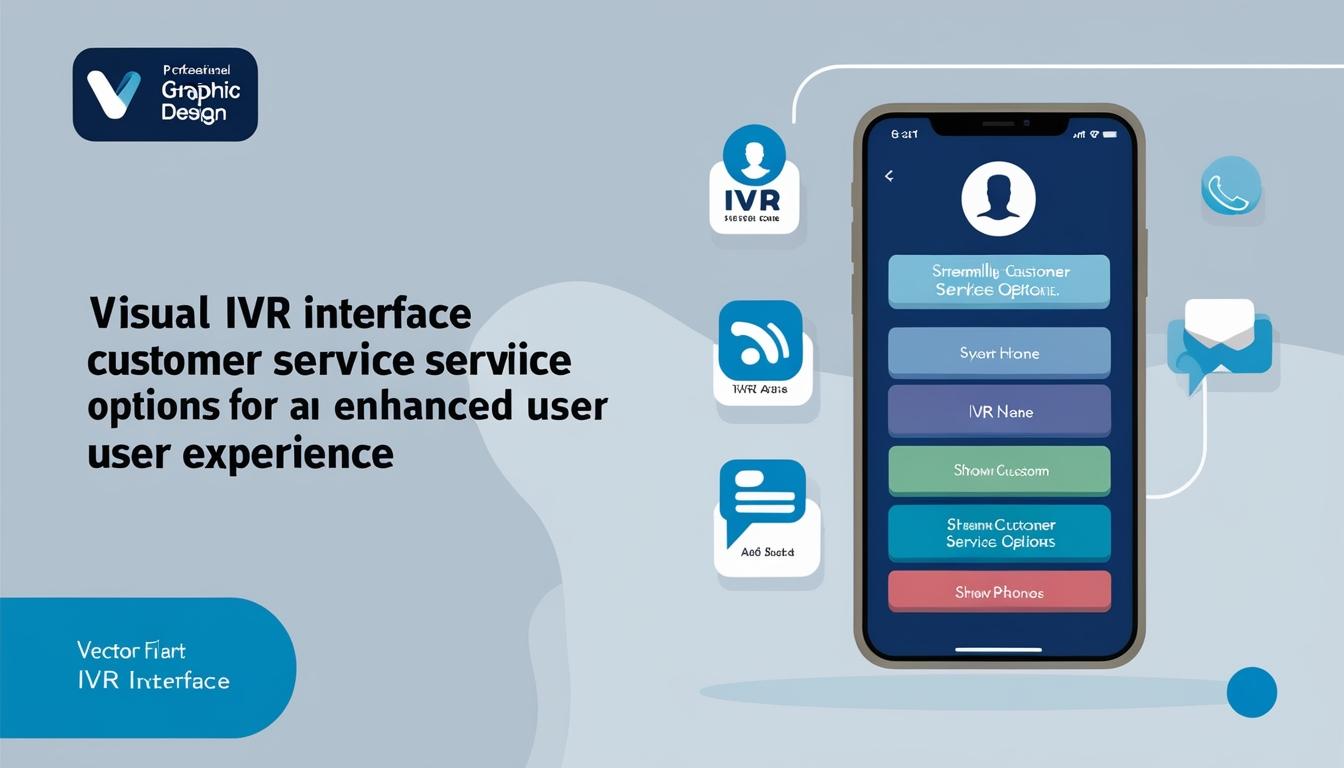
A technological leap in this domain comes from the introduction of Visual IVR, which provides a significant enhancement over traditional systems. Through visual IVR, customers can navigate service menus directly on their mobile screens, avoiding the typical frustrations associated with audio-based prompts and repetitive instructions. This user-friendly interface simplifies self-navigation and reduces unnecessary call transfers, offering a more pleasant experience overall.
Reflecting a broader industry trend, companies like Odigo have incorporated routing solutions into more comprehensive, omnichannel customer service strategies. As technologies advance, these modern routing systems include pre-qualification steps, often led by bots, that guide the customer through an optimised journey before reaching an agent. This approach ensures that customers connect with the right agent, equipped with all necessary information to resolve queries more efficiently.
These evolving routing technologies signal a promising future for contact centres, where frustrations will be minimised, and customer service ‘fairytales’ become more achievable realities.
Source: Noah Wire Services
More on this & sources
- https://www.cdcsoftware.com/call-center-challenges/ – This article supports the importance of clear and well-scripted questions in call routing systems, as well as the need to update system options to reflect current customer requirements, and the use of AI to bring contextual insights.
- https://knowmax.ai/blog/call-center-hold-time/ – This source corroborates the need for efficient self-service options, the use of AI-powered self-service tools, and the importance of providing customers with pertinent waiting messages and queue time estimates.
- https://knowmax.ai/blog/call-center-hold-time/ – This article highlights the importance of streamlining call routing, deploying IVR systems, and regularly reviewing performance metrics to reduce hold times and improve customer service.
- https://www.pindrop.com/blog/contact-center-testing-fix-inefficiencies – This source supports the need for testing IVR paths and menu options, load and performance testing, and testing distribution systems to identify and eliminate inefficiencies in call routing.
- https://www.crazyegg.com/blog/call-routing/ – This article explains how call routing can reduce wait times, the importance of intuitive menu options, and the use of auto attendants and IVR systems to connect callers with the right agents.
- https://www.cdcsoftware.com/call-center-challenges/ – This source discusses the integration of CRM systems with call center software to provide agents with customer history and preferences, enhancing personalized interactions.
- https://knowmax.ai/blog/call-center-hold-time/ – This article emphasizes the role of knowledge management systems in reducing hold times by providing agents with guided knowledge and the next best steps to take.
- https://www.pindrop.com/blog/contact-center-testing-fix-inefficiencies – This source underscores the importance of regular testing and evaluation of call routing and distribution systems to ensure they are aligned with customer needs and to identify bottlenecks.
- https://www.crazyegg.com/blog/call-routing/ – This article highlights the benefits of priority-based distribution in call routing, ensuring urgent calls are handled first, and the importance of queueing and providing information during wait times.
- https://knowmax.ai/blog/call-center-hold-time/ – This source supports the use of AI-powered tools such as IVR systems and chatbots to provide instant responses and efficiently route calls, reducing the need for human intervention in simple queries.
- https://www.pindrop.com/blog/contact-center-testing-fix-inefficiencies – This article discusses the integration of visual IVR and other advanced technologies to enhance the customer experience by providing a user-friendly interface for self-navigation.






