





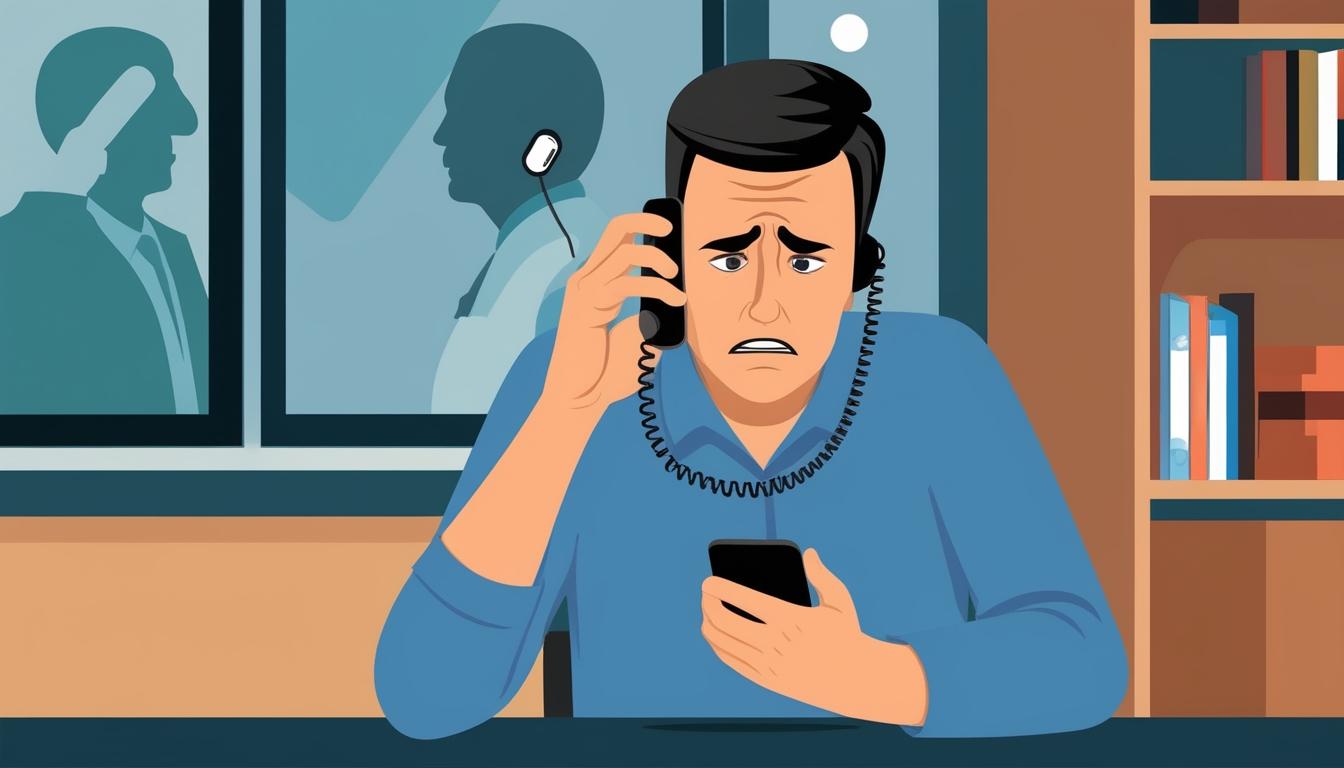

New Hampshire officials are calling for stronger regulations on AI in response to robocalls impersonating President Biden and spreading misinformation during the February primary election.
In a rapidly evolving digital landscape, the use of artificial intelligence (AI) in political processes has emerged as both a tool for innovation and a potential instrument of disruption. Officials in New Hampshire are currently addressing concerns over AI’s ability to disseminate misinformation, an issue that gained prominence following the state’s February primary election.
During this primary, voters in New Hampshire received robocalls that impersonated President Joe Biden’s voice, urging them to “save their vote” for the general election. These calls, designed to mislead, have brought the potential misuse of AI into sharp focus. The individual responsible for orchestrating these calls was identified as Steven Kramer, a political consultant. Kramer was indicted and subsequently fined $6 million by the Federal Communications Commission (FCC) for his actions. Despite these allegations, Kramer has maintained that his intent was to highlight the urgent need for more robust regulation of AI technologies.
Assistant Attorney General Brendan O’Donnell commented on the rarity of such incidents involving AI in political advertising, noting that these technologies are on the cusp of becoming more accessible and widely utilised by the general public. To combat potential misuse, existing laws are in place that prohibit acts such as voter bribery, intimidation, suppression, and the impersonation of political candidates.
The call for more comprehensive regulatory measures has been endorsed by New Hampshire State Representative Tom Cormen. A former chair of the Computer Science Department at Dartmouth College, Cormen has long studied the intricacies of AI and has been instrumental in crafting bills aimed at safeguarding elections from its potential misuse. He stresses the importance of pre-emptive action, acknowledging that while New Hampshire has initiated protective measures within its borders, a more cohesive national approach is required. Cormen has expressed the need for Congress to enact legislation that uniformly addresses the issue across the United States, suggesting that current measures are a fragmented patchwork that could be insufficient in addressing future challenges.

The issue has also garnered attention from New Hampshire Secretary of State David Scanlan, who indicates that state offices nationwide are on heightened alert concerning AI’s role in elections. Scanlan emphasised ongoing vigilance and the proactive measures being taken to mitigate potential disruptions.
As AI technologies evolve, so too must the strategies to maintain electoral integrity. While officials call for legislative action, they also stress the importance of voter awareness and scrutiny. Encouraging voters to critically evaluate the information they receive can act as a formidable line of defence against misinformation, ultimately ensuring that the democratic process remains both fair and free from undue influence.
Source: Noah Wire Services
More on this & sources
- https://apnews.com/article/new-hampshire-primary-biden-ai-deepfake-robocall-f3469ceb6dd613079092287994663db5 – Corroborates the incident of AI-generated robocalls impersonating President Joe Biden’s voice to discourage voters in New Hampshire’s primary election.
- https://www.pbs.org/newshour/politics/ai-robocalls-impersonate-president-biden-in-an-apparent-attempt-to-suppress-votes-in-new-hampshire – Provides details on the investigation by the New Hampshire attorney general’s office and the impact of AI-generated disinformation on elections.
- https://www.nbcnews.com/tech/misinformation/joe-biden-new-hampshire-robocall-fake-voice-deep-ai-primary-rcna135120 – Confirms the use of AI to create the fake Biden robocall and discusses the broader implications of AI-generated disinformation in elections.
- https://www.doj.nh.gov/news-and-media/voter-suppression-ai-robocall-investigation-update – Identifies the source of the robocalls as Texas-based Life Corporation and an individual named Walter Monk, and details the investigative efforts and regulatory actions taken.
- https://priceschool.usc.edu/news/ai-election-disinformation-biden-california-europe/ – Discusses the broader context of AI-generated disinformation in elections, including tips for recognizing and combating it, and potential policy responses.
- https://apnews.com/article/new-hampshire-primary-biden-ai-deepfake-robocall-f3469ceb6dd613079092287994663db5 – Mentions the involvement of Kathy Sullivan, a former state Democratic Party chair, whose personal cellphone number was spoofed in the robocalls.
- https://www.pbs.org/newshour/politics/ai-robocalls-impersonate-president-biden-in-an-apparent-attempt-to-suppress-votes-in-new-hampshire – Quotes experts like Hany Farid and David Becker on the implications and challenges of AI-generated disinformation in elections.
- https://www.nbcnews.com/tech/misinformation/joe-biden-new-hampshire-robocall-fake-voice-deep-ai-primary-rcna135120 – Highlights the ease with which AI can be used to mimic voices and the need for regulatory action to address this issue.
- https://priceschool.usc.edu/news/ai-election-disinformation-biden-california-europe/ – Discusses policy proposals and international approaches, such as the European Union’s Digital Services Act, to regulate AI-generated disinformation.
- https://www.doj.nh.gov/news-and-media/voter-suppression-ai-robocall-investigation-update – Details the collaborative efforts between state and federal agencies to investigate and mitigate AI-generated robocalls.
- https://www.pbs.org/newshour/politics/ai-robocalls-impersonate-president-biden-in-an-apparent-attempt-to-suppress-votes-in-new-hampshire – Emphasizes the importance of voter awareness and scrutiny in combating AI-generated disinformation.







