









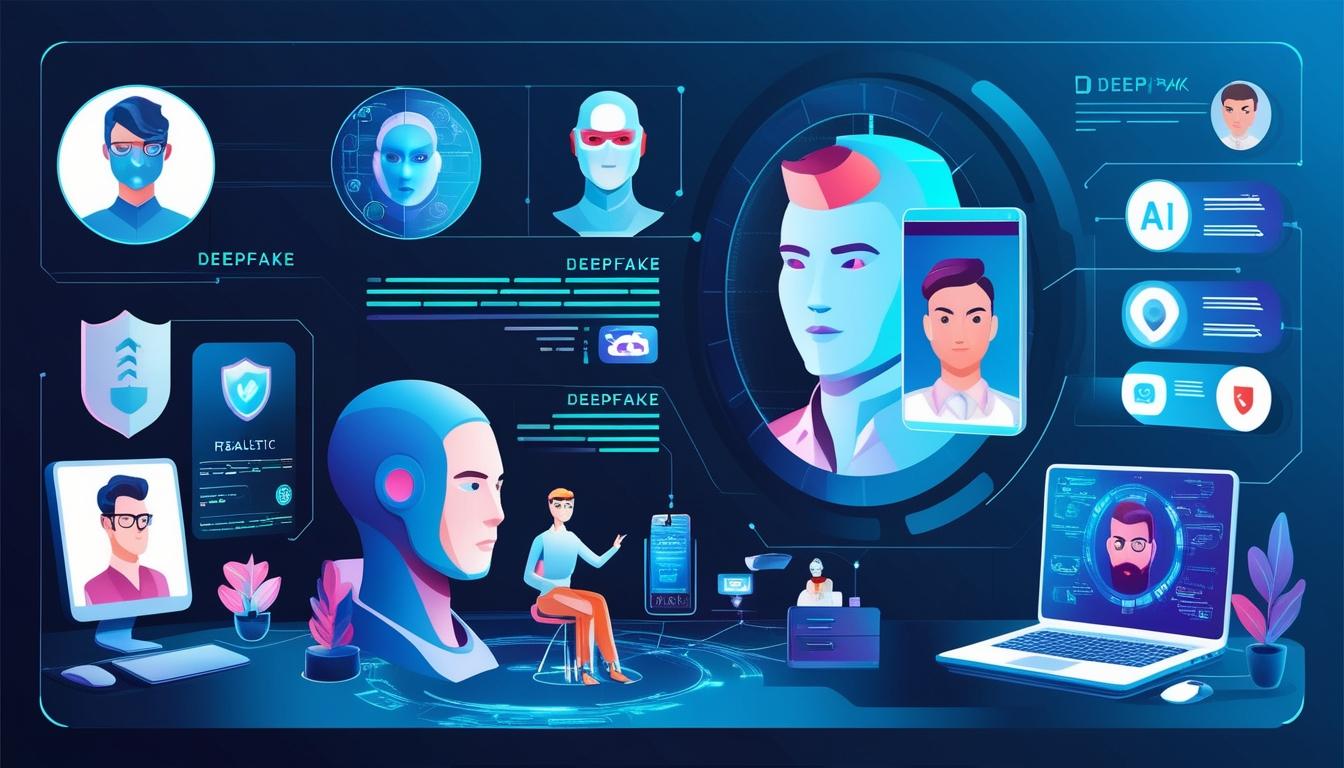
The Pentagon plans to use AI to create sophisticated online personas for intelligence operations, signalling a significant shift in digital surveillance strategies amid growing concerns over misinformation.
Pentagon’s AI Ambitions: Generative Personas for Enhanced Online Operations
The Pentagon has revealed potential plans to employ artificial intelligence in creating sophisticated online personas for intelligence gathering, as reported by The Intercept. This development comes from the Joint Special Operations Command (JSOC), a clandestine unit within the US Department of Defense (DoD), highlighting an interest in using AI technologies to craft convincing digital identities across various internet platforms.
JSOC’s recent procurement wishlist indicates a pursuit for advanced technologies capable of generating comprehensive online personas. This includes creating realistic facial and background images, videos, and audio layers, which can be utilised by Special Operations Forces (SOF) to collect information from public online forums and social networking sites.
The initiative reflects a broader shift within the US defense sector towards leveraging AI for digital intelligence operations, despite ongoing warnings about the risks associated with deepfakes and AI-generated content. These technologies are seen as significant contributors to misinformation and can obscure the already complex landscape of digital information.
Historically, intelligence operatives have engaged in online surveillance, monitoring discussions on message boards and social media platforms. The Pentagon’s latest move illustrates a notable enhancement of these existing strategies. Last year, the Department expressed interest in using deepfakes to amplify influence operations, signalling a continued expansion of digital capabilities for the DoD’s Special Operations Command (SOCOM).
The proposed use of AI comes amid rising concerns about its implications, especially in the context of global security dynamics. Experts warn that the adoption of such technologies by the US could inspire other nations to follow suit, potentially leading to widespread usage of similar deceptive practices. Heidy Khlaaf, an AI specialist at the AI Now Institute, emphasised that such advancements might render it increasingly challenging to discern truth from manufactured digital realities, complicating both societal understanding and international relations.
Furthermore, the timing of these developments coincides with anticipations and preparations for upcoming political changes. Project 2025, a strategic outline prepared for a potential Donald Trump presidency, is revealed to consider expanded surveillance operations using AI technologies, as detailed in an analysis by Futurism.
The Pentagon’s push to equip its teams with cutting-edge AI tools underscores a potent evolution in its approach to intelligence and surveillance. Nevertheless, this initiative invites critical discussions among policymakers, experts, and the international community regarding ethical considerations and long-term impacts on global security.
Source: Noah Wire Services






