





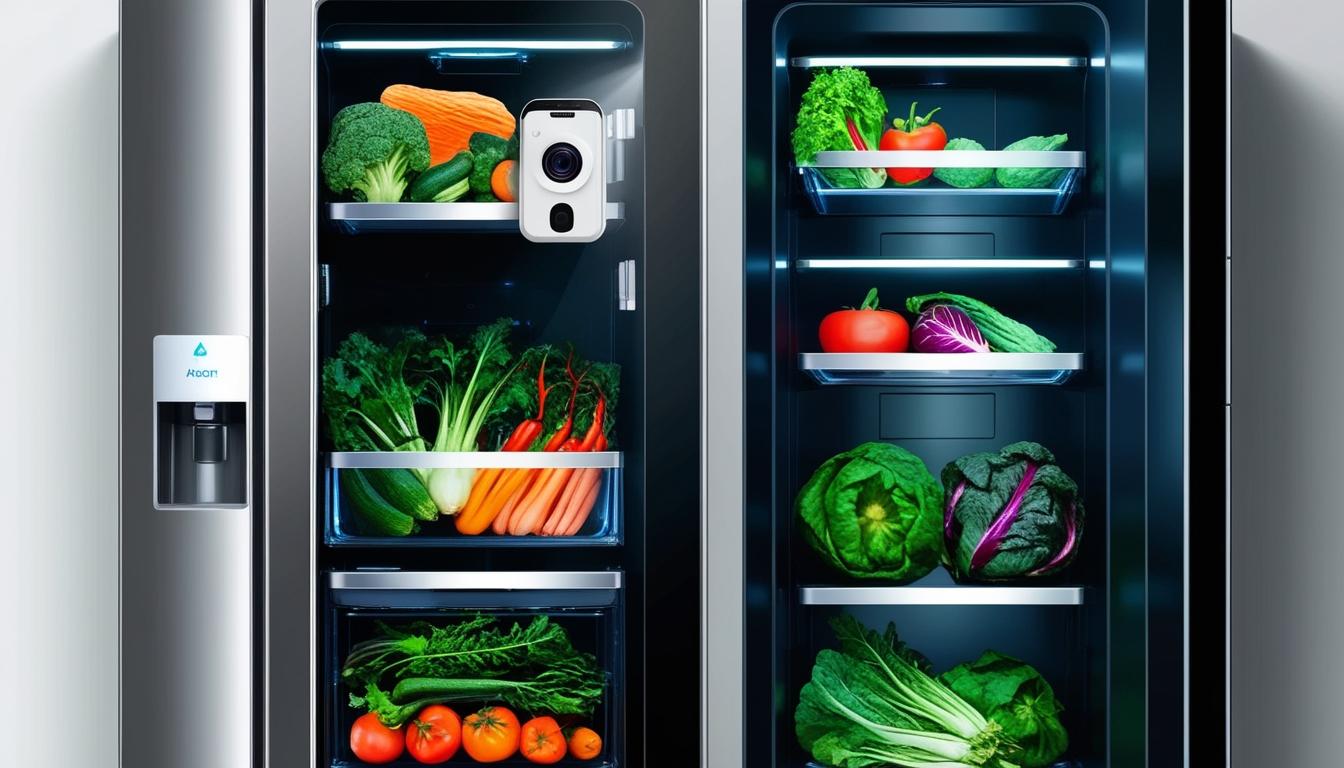

At CEATEC 2024, Panasonic introduced an AI-powered refrigerator designed to enhance food management, reduce waste, and improve the overall quality of life for consumers.
At the CEATEC 2024 event, Panasonic unveiled its latest innovation in kitchen technology: the AI vision-powered refrigerator. This advanced appliance, launched in Japan during the Spring/Summer of 2024, aims to revolutionise the way consumers manage their food items, with a strong emphasis on improving life quality and reducing food waste.
One of the standout features of this refrigerator is its intelligent food management system. The device is equipped with an external AI camera capable of recognising up to 45 different types of vegetables. This technology not only tracks the freshness of stocked produce but also suggests recipes that incorporate ingredients approaching their expiration dates. The overarching goal of this system is to ensure maximum utilisation of food items and minimise waste.
Connectivity is a key component of this refrigerator’s utility. Through the Live Pantry app, users can access real-time updates on the contents of their refrigerator from any location. This feature prevents unnecessary purchases by allowing users to check their inventory remotely, thus streamlining the shopping process.
In terms of design, the refrigerator includes a feature dubbed the “W-Shaki-Shaki (Double Crispy) Crisper Drawer Plus.” This component is engineered to maintain optimal humidity levels, effectively keeping vegetables crisp for up to seven days. This technology not only supports better preservation of produce but also eases the pressure of immediate consumption, allowing users to enjoy fresh vegetables over a longer period.

The Panasonic “Refrigerator AI Camera” provides a comprehensive view of the refrigerator’s contents using two cameras. A wide-angle lens captures images of the refrigerator’s interior shelves and door pockets, while a narrow-angle telephoto lens focuses on the vegetable and freezer drawers. These images can be reviewed in the Live Pantry app, although some areas, such as partial-chilled sections, may occasionally fall out of the camera’s frame.
A significant advancement in this technology is its ability to differentiate and monitor a variety of vegetables stored in the “Double Crispy” drawer. It captures images and identifies numerous types of produce, including carrots, broccoli, spinach, and enoki mushrooms. The system accounts for differences in shape and even records the storage date for each item, aiding in the effective organisation of food items by freshness.
Moreover, the AI-driven recipe suggestion feature further enhances user convenience by offering daily menu ideas based on the remaining shelf life of the ingredients. By doing so, Panasonic not only promotes sustainable food consumption but also enhances the overall efficiency of meal planning.
Further expanding on its practical applications, Panasonic’s external AI camera could potentially be marketed as a standalone product, adaptable to various refrigerator models. This flexibility introduces a cost-effective solution compared to other premium brands that typically integrate cameras within the refrigerator unit. The suggested retail prices for the NR-F53CV1-K and NR-E46CV1-K models in Japan are approximately $2259 and $2066, respectively, indicating an investment in eco-conscious food management.
This technological advancement by Panasonic demonstrates a significant step towards integrating AI into everyday appliances, promising improved sustainability and convenience in households. Through sophisticated food management and conservation, this smart refrigerator model holds potential for wider adoption in smart home ecosystems worldwide.
Source: Noah Wire Services







