









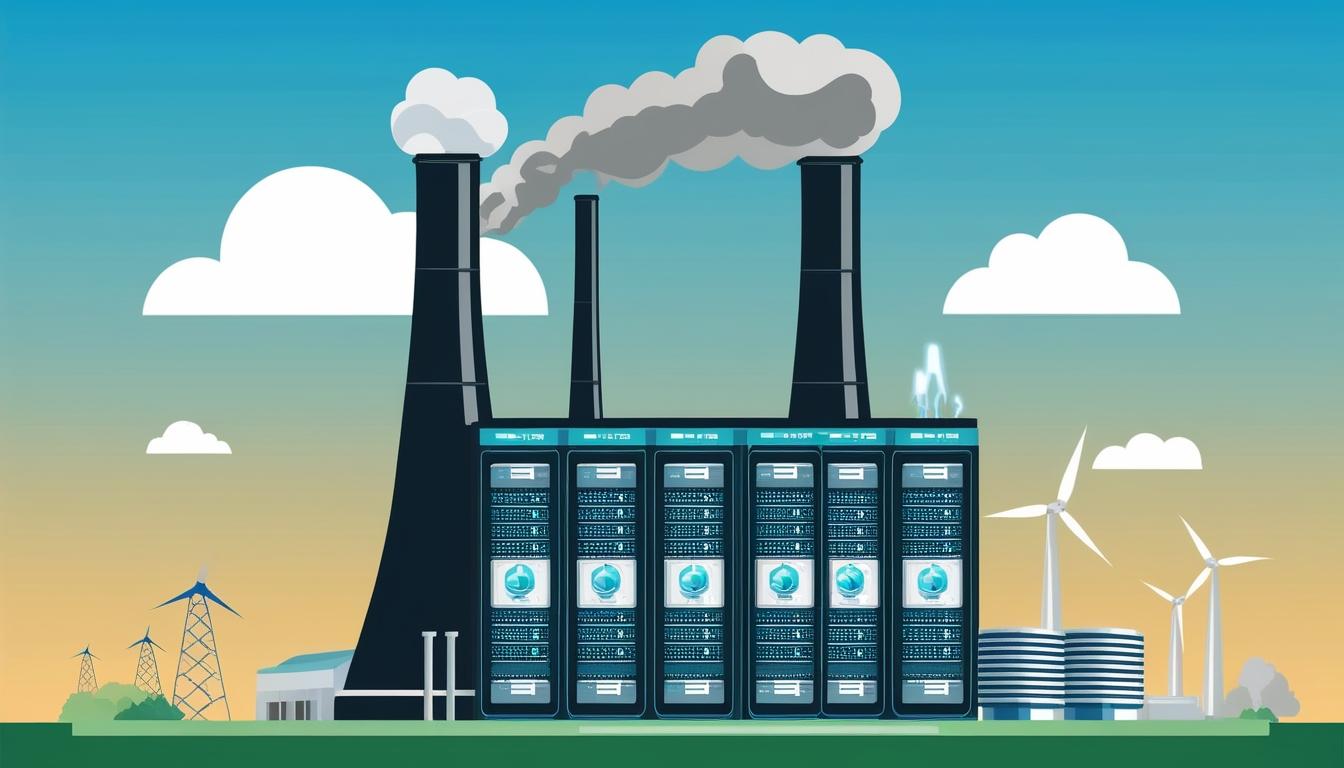
Amidst soaring energy demands from the AI sector, experts advocate for nuclear power as a reliable solution, despite challenges in the UK’s energy policy and infrastructure.
With the artificial intelligence (AI) industry experiencing unprecedented growth, attention in the United Kingdom is pivoting towards the energy requirements necessary to support this technological boom. At the forefront of this discussion is nuclear energy, posited as a key player in the future energy landscape due to its reliability compared to other renewable sources.
Data centres, the backbone infrastructure for AI development, are significant energy consumers, with forecasts predicting a doubling in global energy needs for these facilities by the end of this decade. According to a study by energy consultancy Wood Mackenzie, AI and data centres could consume up to 4,500 terawatt-hours (TWh) of electricity by 2050, a figure comparable to the total consumption of the United States in a recent year.
The challenge is not only finding enough energy but doing so while aligning with global green initiatives. Fossil fuels, while abundant and reliable, conflict with sustainability goals, leading experts to look towards nuclear energy as a viable solution. Nuclear power provides a consistent “baseload” of energy, crucial for the uninterrupted operation of AI infrastructures, argues Dame Dawn Childs, CEO of data centre developer Pure DC. The combination of nuclear energy with renewable resources could potentially craft a more stable and resilient energy grid.
Tech giants have already started making moves towards nuclear energy. Microsoft secured a long-term agreement to harness power from the Three Mile Island plant in Pennsylvania, while Amazon acquired a nuclear-powered data centre from Talen Energy. Google has also announced plans to collaborate with nuclear startup Kairos Power with an aim to operationalise a reactor by 2030. Michael Terrell, Google’s senior director for energy and climate, reinforced this strategy by highlighting the necessity of new electricity sources to accommodate the expanding AI technologies.
Despite global strides, the UK’s progress in nuclear energy has been sluggish. Projects such as the Hinkley Point C nuclear power station in Somerset, approved back in 2009, still await completion. Sizewell C, another proposed station on the Suffolk coast, faces similar bureaucratic and funding hindrances. Prime Minister Keir Starmer has criticised the current government’s management, suggesting it has compromised energy security and job opportunities, while committing his administration to make nuclear a fundamental component of the UK’s energy policy, including the development of Small Modular Reactors (SMRs) intended for data centre use.
The urgency of addressing the power demands of data centres has escalated in some regions, notably in Ireland, where an energy strain has led to a moratorium on new data centres. Although such restrictions are not anticipated in the UK, the situation remains concerning.
Notwithstanding the promise of nuclear energy, it has its opponents. Detractors highlight the hazards associated with radioactive waste and potential safety issues. Environmentalists caution against merely swapping carbon emissions for nuclear waste concerns. Yet, the increasing willingness among data centre operators to consider nuclear solutions, as reported in AFCOM’s State of the Data Centre 2024, suggests these issues may not significantly deter progress in a sector integral to modern digital life.
As the UK aims to remain competitive against leading tech hubs like Silicon Valley and China, scaling up nuclear energy infrastructure could be the necessary measure to support the burgeoning AI landscape. The question remains as to how effectively and swiftly the UK can navigate its nuclear energy strategy to ensure future readiness.
Source: Noah Wire Services






