

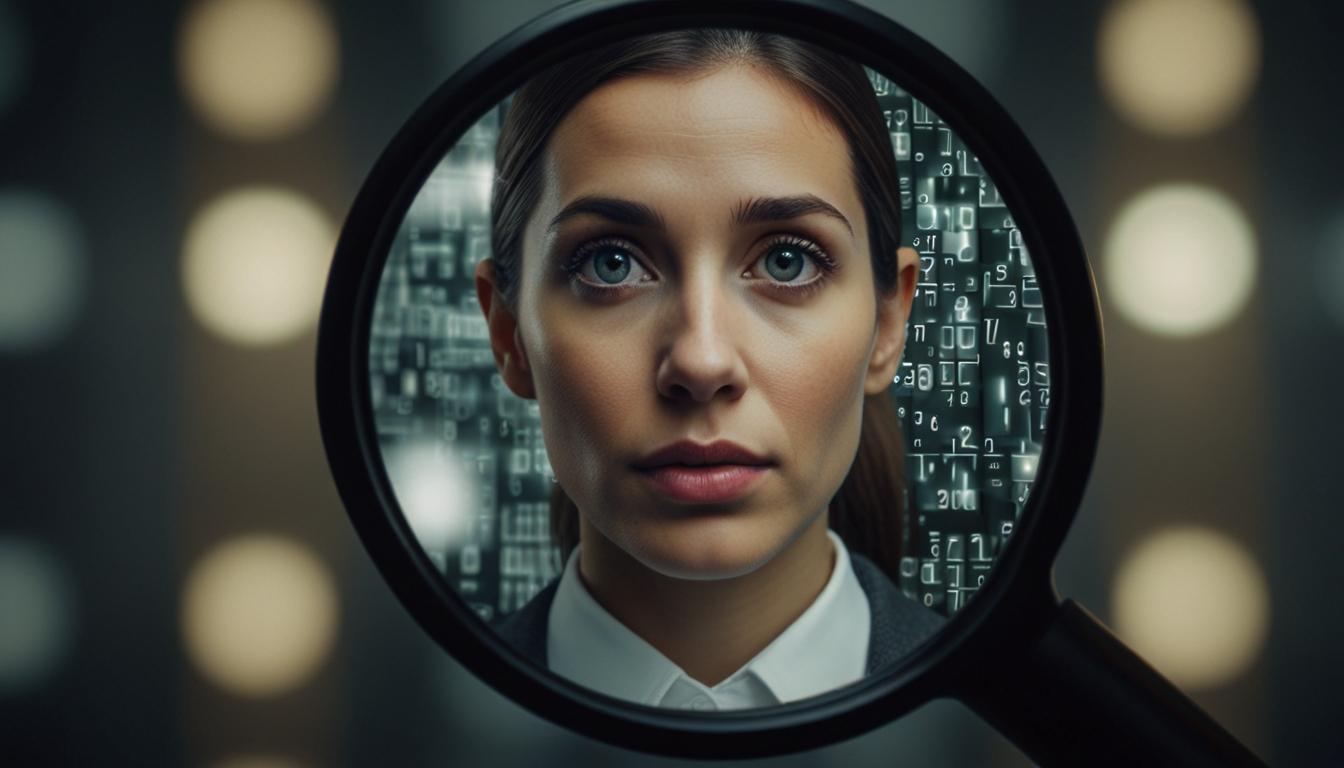

As deepfake technology advances, it becomes essential to learn how to identify AI-generated images. This article provides tips and techniques to help distinguish reality from sophisticated digital forgeries.
Navigating the New Era of Deepfake Images: Tools and Tips to Spot AI-Generated Content
AI technology has firmly established itself in various domains, including the creation of eerily realistic images, also known as deepfakes. These digitally manipulated images often use advanced artificial intelligence tools to create or alter pictures that can be almost indistinguishable from real ones, challenging the veracity of visual content encountered online.
The Technology Behind Deepfakes
Deepfakes refer specifically to the use of AI to manipulate a person’s likeness in photos or videos, typically making them appear as if they are doing or saying things they never did. This technology has become so advanced that even casual users can utilise platforms like Midjourney to generate near-authentic images easily. A notable example that captured public attention involved a viral image of the Pope wearing a white Balenciaga puffer jacket—a sophisticated fake that fooled many before the truth was revealed.
Moreover, AI features have been integrated into everyday gadgets. Google’s Pixel 9 smartphone includes an “Add Me” feature, allowing users to insert themselves seamlessly into images.
Spotting the Inconsistencies
With the increasing prevalence of deepfake technology, it is more crucial than ever to be able to distinguish real images from manipulated ones. Here are some strategies to help detect deepfake content:

1. Zoom in on Details
Deepfake technology, despite its advances, often leaves subtle inconsistencies. By zooming in on specific details like a person’s eyes or the edges of their face, you might observe signs such as slight blurring or unnatural definitions. One common giveaway involves the depiction of hands and fingers, which AI frequently struggles to render correctly.
2. Watch for Emotional Discrepancies
Human emotional expressions are intricate and challenging to replicate perfectly. You might notice that smiles appear too rigid or facial expressions don’t quite align with the emotions being conveyed. This can be even more apparent in videos, where facial movements and lip synchronisation might seem off.
3. Assess the Overall Picture
Deepfake images often exhibit an uncanny perfection that can seem unnatural. For example, in group photos, uniform lighting with no shadows or differences might make the image appear staged. The aesthetic might also seem somewhat artificial or plasticky.
4. Examine the Background
Background elements in photos can also offer clues. AI-generated backgrounds might include unrealistic architecture or physical inconsistencies. Elements that are blurred or not in focus can also help in identifying an AI-generated image, though this is less useful for images where only the face has been altered.
5. Contextual Research
Beyond technical analysis, researching the context of an image can be highly effective. For public figures, verify if the image corresponds with their known activities or locations on the date in question. Online searches can often provide quick validation. For lesser-known individuals, the task might be more challenging, but exercising caution and critical thinking remains essential.
Conclusion
As AI and deepfake technologies evolve, their ability to produce highly realistic images will only improve, making it increasingly difficult for casual observers to distinguish between real and fake content. These guidelines offer practical methods to scrutinise images carefully, promoting a more informed and cautious approach to visual media consumption.
Source: Noah Wire Services