






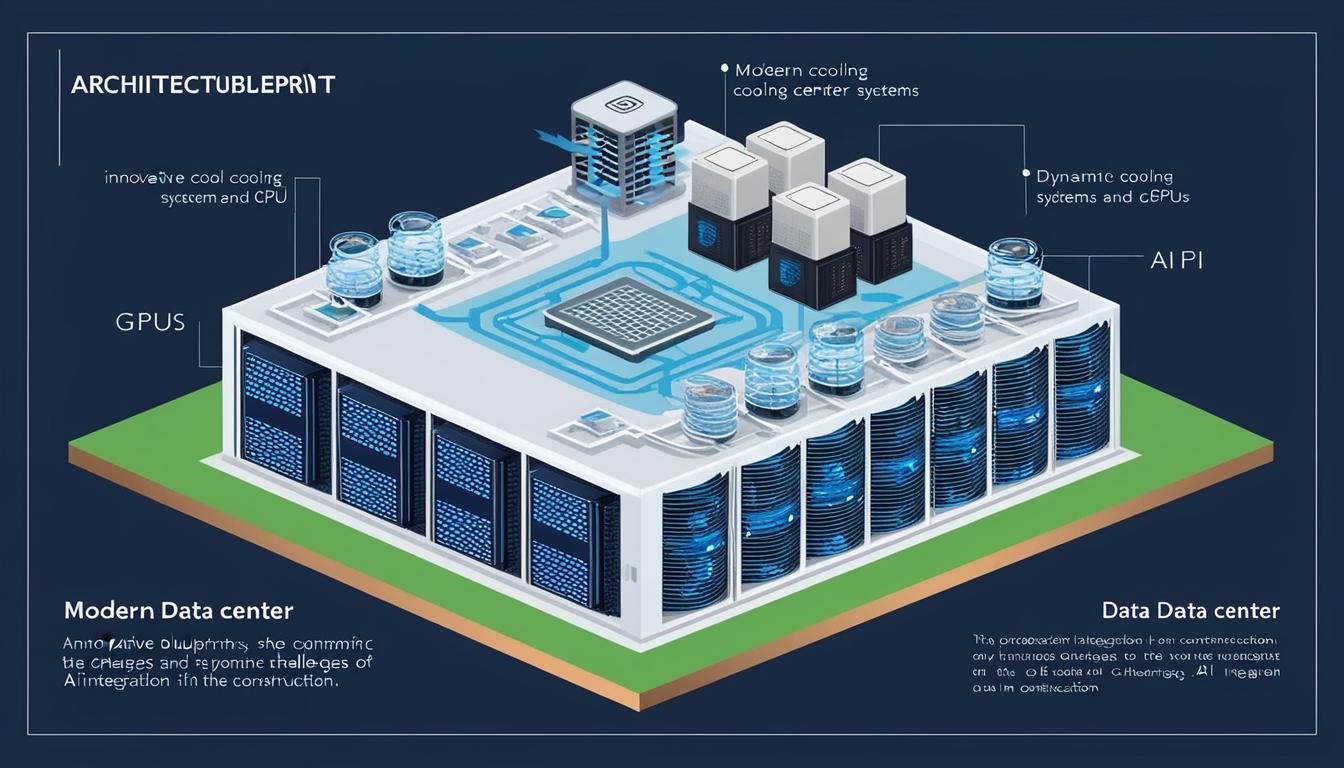

As demand for artificial intelligence capabilities accelerates, the construction of data centres faces unprecedented challenges, from shifting requirements to supply chain disruptions, as discussed at the recent National DICE event in Dallas.
In today’s technology-driven era, the race to build new data centres is speeding up drastically, particularly due to the unprecedented rise in demand for artificial intelligence (AI) capabilities. However, the rapid advancements in AI are creating significant challenges for developers and construction professionals involved in the design and development of these crucial infrastructures. This issue was vividly discussed at the recent National DICE Construction, Design and Development event at The Westin Galleria in Dallas.
In a sector where speed to market is paramount, AI is reshaping the landscape in such a way that it complicates construction timelines and logistics. Key players in this industry are grappling with a dynamic environment where data centre requirements can change multiple times during the construction phase. According to Tyler Stevenson, Vice President and Project Executive at Clune Construction, “The implementation of AI has altered the landscape over the past year, with design amendments emerging almost daily.”
The integration of AI into data centre operations is not just about keeping pace with technological upgrades but involves fundamental transformations. Schisms in initial plans occur as tenants, often major tech firms, modify their expectations and roadmaps mid-project. Such changes can necessitate alterations in power delivery and cooling systems, which complicates previously streamlined processes.
The struggle is intensified by ongoing global supply chain disruptions. Since the pandemic, the procurement of critical equipment like generators and transformers has faced multi-year delays, and the skilled workforce needed for such specialised projects is dwindling due to a surge in retirements. This squeezes an already tight timeline, making adherence to deadlines fraught with difficulty.

AI requires a unique infrastructure that differs significantly from traditional data centres. Graphics Processing Units (GPUs), vital to AI’s functionality, demand considerably more power and specialised cooling systems. The shift from air cooling to refrigerant-based cooling systems is one such adjustment that has to be anticipated well in advance, yet often isn’t. This change in infrastructure requirement complicates not only the construction process but also the procurement of materials essential to these systems.
Experts speaking at the Dallas event, including Cory Plunk from AT&T, underscored the importance of advanced planning despite these challenges. His sentiment was echoed by other panellists who pointed out that effective coordination among stakeholders—ranging from contractors to equipment manufacturers—is crucial to mitigate the uncertainty.
Microsoft’s Senior Program Manager, Hani Noshi, discussed how early collaboration has become an industry norm to ensure projects meet their timeline targets. This engagement strategy involves all relevant parties at the outset, allowing them to align on design modifications and anticipate any potential disruptions that could arise during construction. Nvidia, a leading GPU manufacturer, has taken this collaborative approach further by providing clients with future design parameters and infrastructure requirements through blueprints and technical guidance.
Marshall Sorenson of Shockey Precast highlighted the magnitude of the challenge posed by AI’s swift progression, equating it to an approaching “hurricane” of changes. This metaphor aptly illustrates the turbulent state of the industry, forcing all involved to rethink traditional construction methodologies and reliance on standardised designs.
The consensus among industry leaders indicates an era where nimbleness and foresight are as crucial as the physical construction skills and resources. The onus is on developers to adapt swiftly, learn to anticipate technological shifts, and cultivate partnerships that allow for flexibility in execution. As AI adoption continues to surge, how efficiently these challenges are met will determine the future landscape of data centre construction.
Source: Noah Wire Services







