









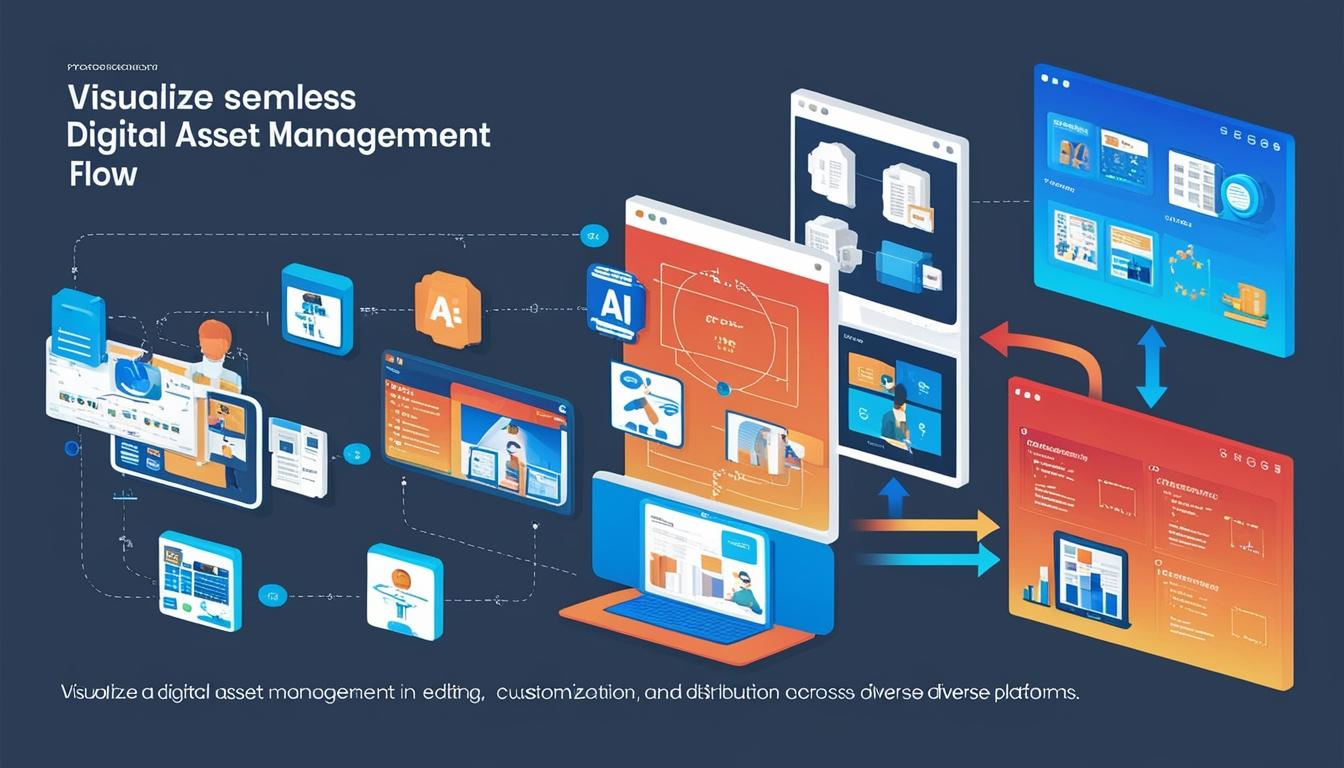
Matt Noyes explores the complexities of digital asset management, highlighting the balance between quick delivery and high-quality user experiences, and the transformative role of AI in streamlining processes.
Matt Noyes, the Senior Director of Product Marketing at Cloudinary, has authored an insightful piece examining the intricacies of Digital Asset Management (DAM) within the wider spectrum of the digital asset supply chain. As the volume of digital content proliferates across an expanding array of channels, Noyes highlights the challenges and emerging solutions in managing this complexity.
At the crux of Noyes’ analysis is the dilemma organisations face in balancing speedy market delivery with high-quality user experiences. The necessity for omnichannel delivery demands that each visual asset be tailored for a variety of platforms, devices, and screens. This customisation is traditionally a laborious, manual task involving the resizing, cropping, and reformatting of images and videos. Such processes require extensive collaboration among creative and web teams, leading to potential delays and inconsistencies that can undermine brand integrity.
Noyes points to the fragmented nature of many current workflows, which often operate in silos with disconnected systems, exacerbating issues such as poor asset discoverability and slow approval processes. He suggests that adopting a composable approach to DAM, characterised by a modular and agile API-First architecture, could be the solution. This approach enables organisations to integrate various services flexibly and scale workflows without needing a complete overhaul of their systems.
The article further delves into the transformative potential of Artificial Intelligence in digital asset management. AI is making significant strides in automating tasks that were previously resource-intensive, such as uploading, tagging, categorisation, and editing of assets. According to Noyes, the advent of Generative AI tools now allows for an unprecedented level of customisation. These tools can modify digital assets, removing or altering backgrounds, adjusting colours, and even varying product appearances—all without the need for additional photoshoots or extensive manual editing. This advancement enables organisations to quickly adapt content across various platforms, such as e-commerce, advertising, and social media, efficiently and cost-effectively.
By automating these post-production tasks, AI contributes significantly to maintaining quality while saving time and resources, offering organisations a new avenue to ensure timely and effective deployment of their digital assets.
For a more detailed exploration of these developments, visit the full article on the Digital Asset Management News website, where Noyes elucidates the evolving landscape of DAM and the ongoing convergence with advanced technologies.
Source: Noah Wire Services






