









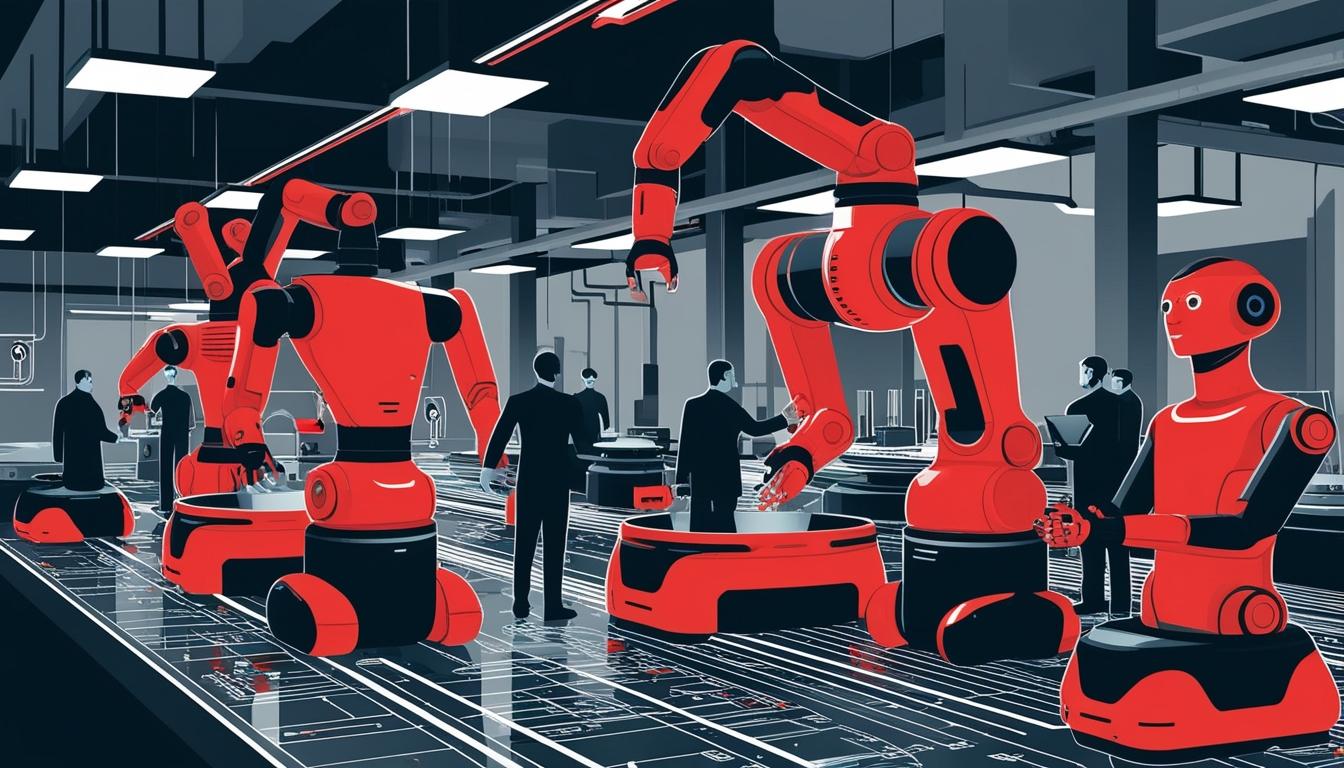
Mouser Electronics unveils new initiatives in its Empowering Innovation Together series, focusing on the integration of human and technological elements in the evolution towards Industry 5.0.
Mouser Electronics has introduced the latest chapter of its Empowering Innovation Together (EIT) technology series, which pivots towards the promising dimensions of Industry 5.0. This new wave of industrialisation underscores the integration of human, environmental, and social considerations alongside cutting-edge technology, such as robotics and smart machines, thereby preparing businesses for the factory floors of the future.
Industry 4.0 marked significant advancements through artificial intelligence (AI), data analytics, and machine learning, which transformed the dynamics of interaction between the physical and digital worlds. The emergence of Industry 5.0 now calls for a redefinition of this relationship, placing an emphasis on discovering a more balanced coexistence between human workers and technology. Central to this phase are the principles of societal value, resilience, and sustainability, essential for shaping the future operational landscapes for industries.
In a recent episode of The Tech Between Us podcast, Mark Patrick, the Director of Technical Content for EMEA at Mouser, alongside Leonardo Dentone, Program Chair of ISA Denmark, delved into the pivotal elements that propel the adoption of Industry 5.0. They highlighted the significance of advanced robotics, AI-driven systems, and robust cyber-physical frameworks that facilitate seamless collaboration between humans and machines.
Moreover, the discussions continued in another podcast episode titled In Between The Tech, where Larry Sweet, Director of Engineering at the Advanced Robotics for Manufacturing (ARM) Institute, addressed the practical hurdles that engineers encounter when transitioning to this human-centric industrial model. He explored various pathways engineers might take to tackle these challenges and ensure a smoother integration of new technologies into existing systems.
Patrick articulated a notable perspective on the implications of Industry 5.0, remarking, “It represents more than just the next phase of technological advancement; it is an intentional shift towards integrating societal progress with industrial innovation.” He elucidated that this evolution necessitates a reconsideration of the role technology plays in crafting an industrial environment that prioritises both productivity and societal well-being.
To support engineering professionals in this transformative era, the EIT series presents a wealth of resources. These include technical articles, case studies, podcasts, infographics, videos, and exclusive content for subscribers, all geared towards equipping industry stakeholders with the knowledge and tools necessary for navigating the complex terrain of Industry 5.0.
Source: Noah Wire Services
- https://www.miragenews.com/mouser-electronics-explores-industry-5-0-1351771/ – Corroborates Mouser Electronics’ introduction of the latest chapter in its Empowering Innovation Together (EIT) technology series focusing on Industry 5.0.
- https://www.afp.com/en/news/1314/mouser-electronics-examines-human-centric-revolution-industry-50-202411064217091 – Supports the integration of human, environmental, and social considerations in Industry 5.0 alongside advanced technology.
- https://www.miragenews.com/mouser-electronics-explores-industry-5-0-1351771/ – Details the advancements of Industry 4.0 through AI, data analytics, and machine learning, and the shift towards Industry 5.0.
- https://www.afp.com/en/news/1314/mouser-electronics-examines-human-centric-revolution-industry-50-202411064217091 – Explains the emphasis on a balanced coexistence between human workers and technology in Industry 5.0.
- https://www.miragenews.com/mouser-electronics-explores-industry-5-0-1351771/ – Highlights the principles of societal value, resilience, and sustainability in Industry 5.0.
- https://www.afp.com/en/news/1314/mouser-electronics-examines-human-centric-revolution-industry-50-202411064217091 – Discusses the pivotal elements of Industry 5.0 adoption, including advanced robotics and AI-driven systems, in The Tech Between Us podcast.
- https://www.miragenews.com/mouser-electronics-explores-industry-5-0-1351771/ – Mentions the role of cyber-physical frameworks in facilitating human-machine collaboration in Industry 5.0.
- https://www.afp.com/en/news/1314/mouser-electronics-examines-human-centric-revolution-industry-50-202411064217091 – Addresses the practical challenges and pathways for engineers in transitioning to the human-centric industrial model in the In Between The Tech podcast.
- https://www.miragenews.com/mouser-electronics-explores-industry-5-0-1351771/ – Quotes Mark Patrick on the intentional shift towards integrating societal progress with industrial innovation in Industry 5.0.
- https://www.mouser.com/empowering-innovation/industry5?srsltid=AfmBOoo8Sc8e_ESfJbgk0B7y3qy-TeQUluptLsqE07cUyWZfjN-ocqUw – Provides resources for engineering professionals, including technical articles, case studies, podcasts, infographics, and videos, to support the transition to Industry 5.0.






