









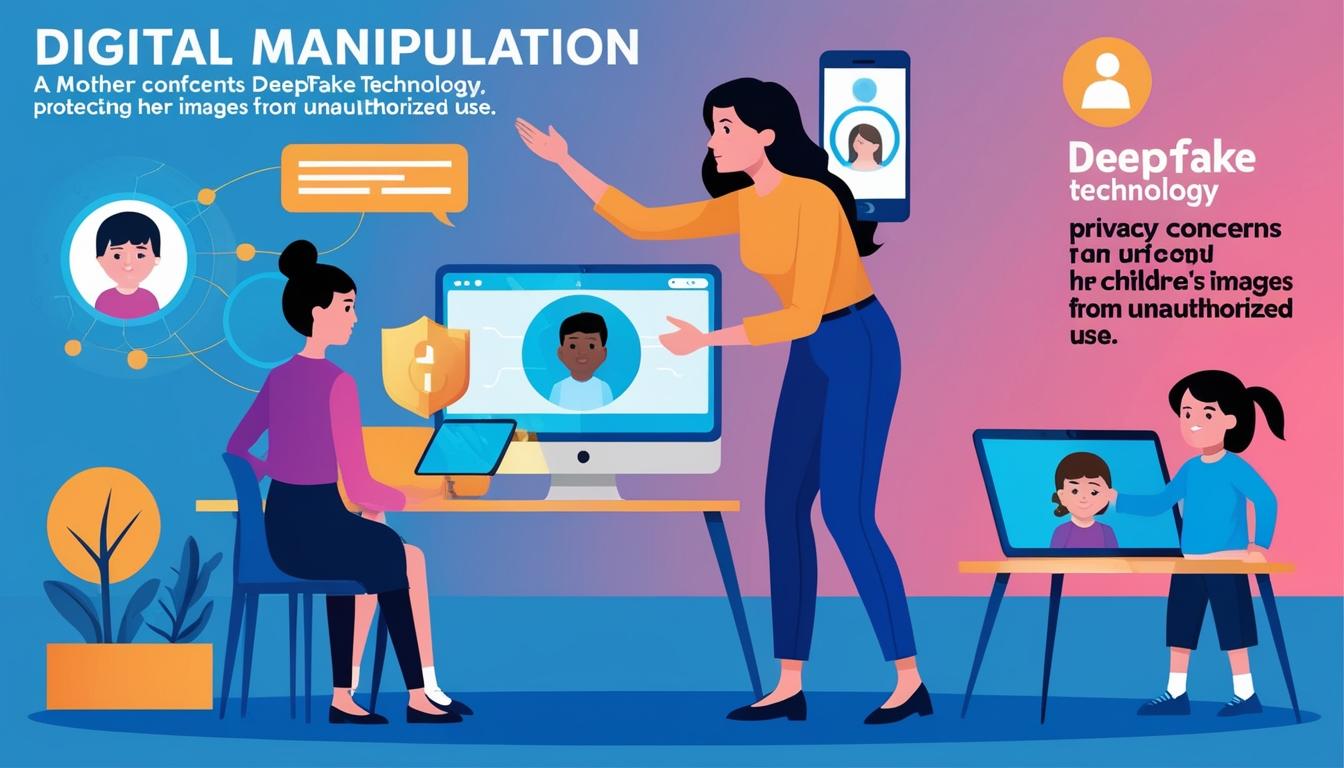
A TikTok mother, known as Sam, has highlighted the dangers of deepfake technology after her video was altered by a brand for advertising without her consent, igniting concerns over privacy and online safety.
In a recent incident highlighting the complexities of modern technology, a mother known on TikTok as Sam has taken a firm stance against sharing images of her children online after discovering a parenting brand used an altered version of her video for advertising purposes. The incident involved the application of deepfake technology, which used artificial intelligence to manipulate Sam’s video by replacing her face with that of another person.
Sam, who shares her experiences of motherhood with nearly 82,000 followers on TikTok, found herself at the centre of a viral discussion after exposing the brand’s unauthorised use of her content. A TikTok video, in which she details her unsettling discovery, has gained over 3 million views and thousands of comments, many of which express concern over the implications of deepfake technology.
The manipulated video was edited to incorporate a face that wasn’t hers, yet kept the body and context intact, demonstrating how easily deepfakes can alter digital content without the subject’s consent. This revelation brought Sam to reevaluate her online presence, particularly concerning images of her children, citing the potential misuse of such images as a significant concern.
Deepfake technology, which involves using artificial intelligence to produce deceptively realistic videos by swapping faces on video content, has raised alarms regarding internet safety and privacy. Previously, deepfakes have been notoriously used to fabricate videos featuring public figures in inappropriate contexts, including fake pornography. The creation of these videos typically requires a collection of images of the target’s face, which are then fed into a machine learning algorithm capable of producing a lifelike, albeit fraudulent, video.
The parenting brand in question removed the video within approximately 30 minutes after Sam brought the issue to their attention. However, the incident has resonated with many users online, including numerous individuals who shared similar experiences with brands using AI to publish altered advertisements without consent.
Security expert Jasdev Dhaliwal from McAfee has outlined several characteristics that may help in identifying deepfake videos. These include difficulties in replicating lifelike joint movements, creating a “soulless or dead look” in eyes, and presenting unnatural shadows. Additionally, voices in these videos often sound “robotic and stiff”, while textual elements might show poor grammar. Viewers are advised to cross-check any claims made in these videos against other sources.
This episode serves as a cautionary tale about the rapid advancement of digital manipulation technologies and the resultant challenges in safeguarding personal privacy online. The ability of deepfake technology to create convincing yet false representations poses ethical and legal questions that continue to provoke widespread concern among internet users. Sam’s experience underscores these issues and has sparked a broader discourse on the implications of sharing personal content on digital platforms.
Source: Noah Wire Services






