









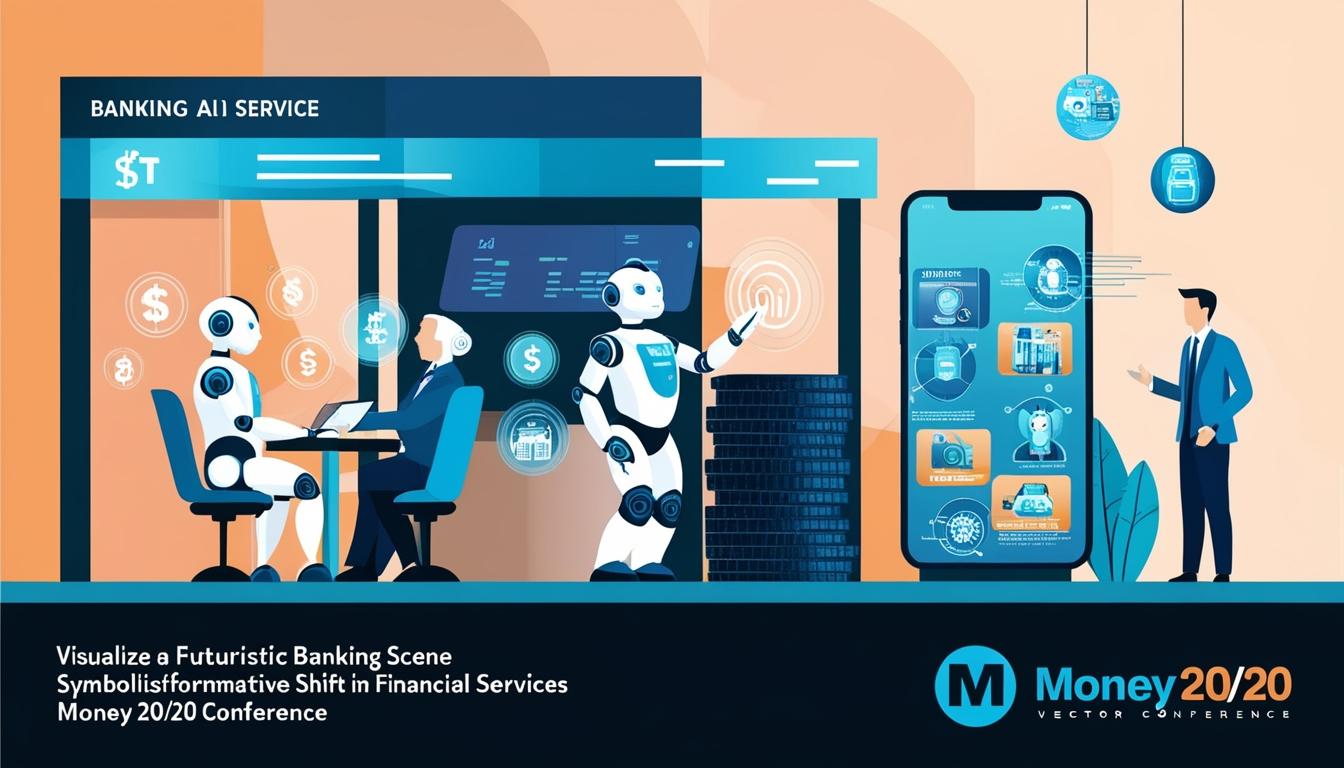
This year’s Money 20/20 conference in Las Vegas showcased a significant focus on AI and open banking, as industry experts discuss the transformative potential of bots in reshaping financial services.
The recently concluded Money 20/20 conference in Las Vegas, a distinguished event in the consumer and commercial payments industry, underwent a significant shift in focus this year. Traditionally centring around payment systems, the conference pivoted its attention towards innovative advancements in open banking and the integration of artificial intelligence (AI) in financial services.
This year, the primary discussions at Money 20/20 revolved around the burgeoning role of AI and bots in reshaping the future of banking and financial services. This change in focus appears to be influenced by recent regulatory developments, notably the finalisation of the “open banking” rule by the Consumer Financial Protection Bureau on October 23, 2024. The rule, known as the “1033 Rule,” has already faced legal challenges, underscoring its potential impact on the sector.
The conference evaluated how bots—automated software applications—are poised to redefine interactions in the financial sector. In customer-facing scenarios, bots are anticipated to store comprehensive financial information for individuals and businesses. This would enable real-time assessments of financial health, such as cash flow status and upcoming expenses, offering a superior alternative to traditional credit scores, which typically reflect data with a delay of 30-90 days. Customers’ bots could further personalise financial experiences by tracking preferences, like airline ticket purchases, ensuring decisions stay within budgetary constraints.
On the flip side, financial providers’ bots are expected to interact dynamically with customer bots, facilitating real-time product and service offerings. They would also monitor market trends and competitors’ propositions to refine credit terms, essentially enabling a seamless bot-to-bot marketplace.
The potential for this technology raises complex questions about future financial relationships. Currently, these relationships rely on opacity, latency, and consumer inertia, with the latter often preventing customers from regularly switching financial service providers. However, with the advent of bot-driven interactions, this inertia could be significantly reduced. Bots would consistently evaluate and apply for new financial products, potentially diminishing brand loyalty and transforming banks into entities akin to regulated utilities. While this evolution may protect consumers and maintain financial stability, it also challenges banks to leverage their reputational standing to stay viable.
The implications of this automated bot system extend to the broader financial markets. Anticipated actions include frequent refinancing of financial obligations such as car and mortgage loans, raising questions about the future of securitization markets. There are also impending legal considerations, including contractual responsibilities and potential antitrust issues arising from such digital communications and data sharing.
As these transformative discussions highlight, the financial sector stands on the brink of significant change. The shift towards a bot-driven financial ecosystem suggests a future where banking relationships, as traditionally understood, may undergo fundamental transformation. Experts have begun speculating on the challenges and opportunities that this potential future may hold, noting that while many logistical and legal questions remain, the progression appears poised to reshape core aspects of consumer and commercial banking landscapes.
Source: Noah Wire Services






