






A recent study reveals that 6.31 million UK employees are unprepared for AI integration, highlighting the urgent need for expanded training initiatives to enhance both technical and soft skills.
Millions of UK Workers Lack Training in AI Collaboration
In a recent study conducted by GoodHabitz, an eminent online learning provider, startling revelations about the UK’s workforce’s readiness for AI integration have surfaced. The research, carried out in cooperation with Censuswide, indicates that a significant portion of the UK’s labour force – approximately 19%, or 6.31 million employees – have not received adequate training on how to effectively utilise and collaborate with AI technologies in their work environments.
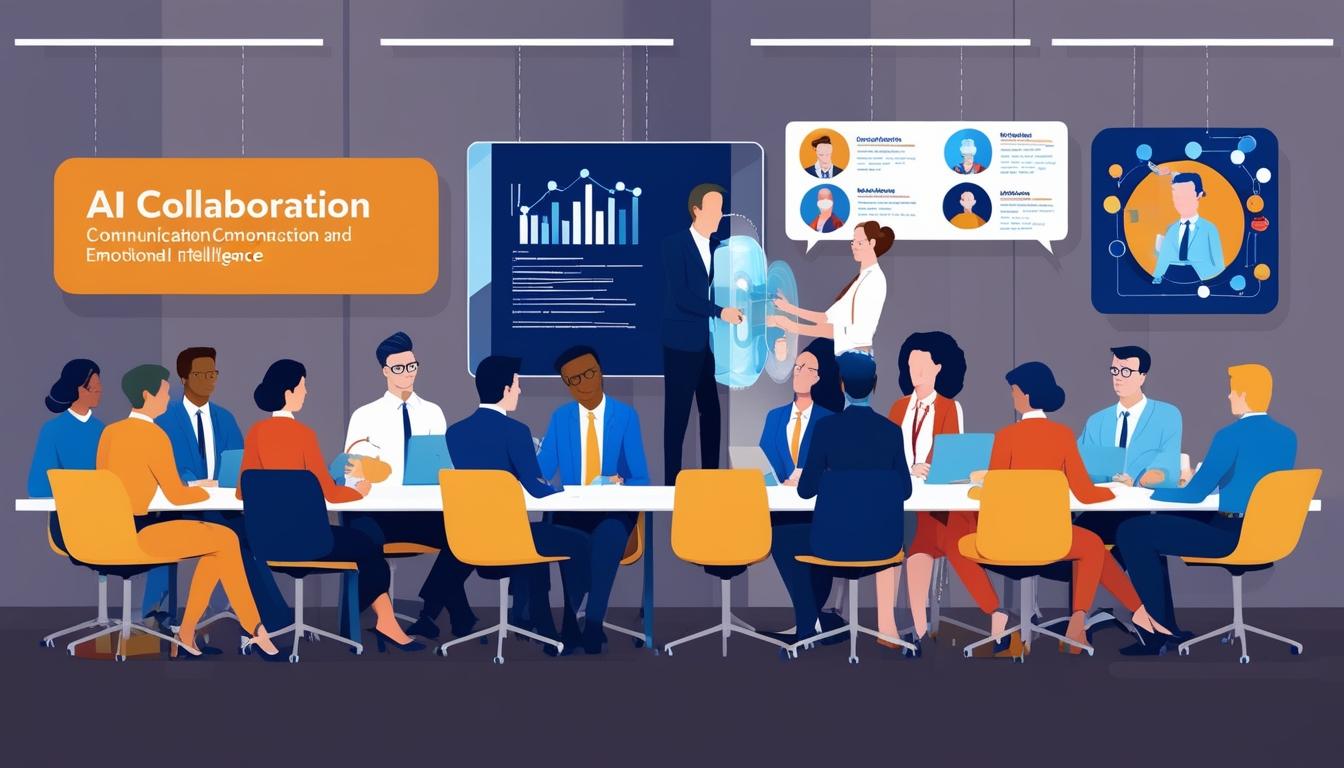
Despite 70% of employees already employing AI tools in their roles, more than a third (34%) admitted to lacking the necessary soft skills to interact effectively with these technologies. This gap points to a pressing need for expanding training initiatives focusing not only on technical skills but also on enhancing human skills. These include effective communication, emotional intelligence, complex problem-solving, and seamless teamwork integration, which are critical for optimising human-AI collaboration.
Chris Chen, Chief Technology Officer of GoodHabitz, underlined the urgent need for education reform in the workplace, stating, “AI is transforming everything about how we work and think. However, if employees are not prepared, UK businesses could fall behind on the global stage.”
Ed Monk, CEO of the Learning and Performance Institute, echoed this sentiment, highlighting the necessity of upskilling to ensure that employees are not just users of AI tools but can also engage in tasks requiring human-centric skills like critical thinking and adaptability. Monk noted that investing in such capabilities is essential for maintaining competitiveness in a rapidly evolving global market.
The study also emphasised a broader need for a national upskilling agenda. With nearly half of the respondents (48%) acknowledging that AI has heightened the demand for skills, attributes like problem-solving (39%), critical thinking (38%), and analytical thinking (37%) have been identified as crucial. Furthermore, 66% of employees have reported that AI has enabled them to accomplish tasks previously deemed impossible, underscoring the profound transformative potential of AI technology.
The findings further reveal that AI adoption on average saves employees 37 minutes a day, translating to over 150 hours annually. Despite these gains, there is an evident preference (47%) for personal skills over reliance on AI-driven solutions, indicating that further development of AI literacy and trust-building is necessary within the workforce.
Encouragingly, 62% of those using AI tools have reported increased job satisfaction, suggesting that, with proper integration and education, AI has the potential to enhance employee enjoyment and retention in the workplace.
GoodHabitz is actively addressing the training gap through its AI-augmented learning platform, which provides personalised course recommendations based on self-assessments, thereby tailoring educational content to meet individual employee needs.
These discoveries call attention to the importance of implementing comprehensive AI training programs across all sectors to bridge existing skill gaps and prepare the UK workforce for a future increasingly dominated by AI technologies.
Source: Noah Wire Services







