

Midjourney is set to unveil a revolutionary web tool enabling users to edit images with generative AI, while grappling with ethical concerns around copyright and deepfakes.
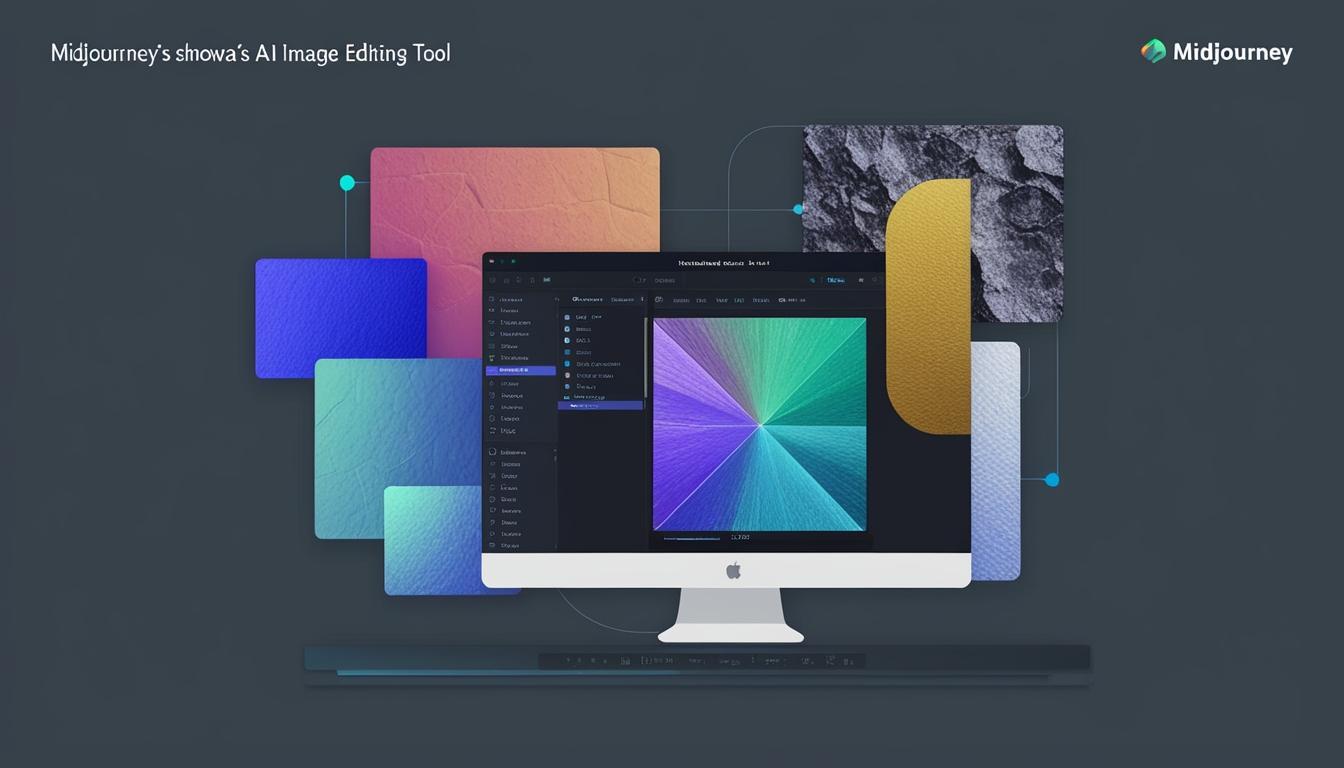
Midjourney, the company known for its creative generative AI tools, is poised to launch an enhanced web tool that will revolutionise how users interact with images. Scheduled for release in the coming week, this tool will enable users to edit images sourced from the internet using Midjourney’s advanced generative AI technology. Users will have the capacity to modify textures and colours of objects within an image, tailoring them to align with specific captions provided by the user.
This announcement was made by Midjourney’s Chief Executive Officer, David Holtz, who has stated that the new feature will initially be available to a select group within the current user community. The roll-out will be closely monitored, with an upsurge in both human oversight and the implementation of more sophisticated AI moderation systems to mitigate potential misuse.
The realm of AI-edited images has been subject to intense debate, particularly concerning the ethical implications and authenticity of such images. While some companies, like Meta, grapple with the challenges of labelling AI-edited images distinctly from AI-generated images, other tech giants, including Google, have introduced AI features that leave no visual cues of such modifications. Midjourney had previously aligned with the IPTC’s Digital Source Type standard to tag images as AI-generated through embedded metadata. However, it has yet to adopt the C2PA’s comprehensive metadata technology that traces an image’s entire origin.
The introduction of this new editing capability is not without concerns. There is an ongoing discussion about the ramifications, such as potential large-scale copyright violations or the pernicious spread of fake information facilitated through advanced image editing. The phenomenon of deepfakes, artificial representations indistinguishable from reality, exemplifies these concerns. These deceptive creations have proliferated rapidly on social media, muddying the waters between fact and misinformation, particularly observable in the aftermath of crises like Hurricane Helene. Clarity, a prominent deepfake detection company, has reported a staggering 900% increase in deepfake production compared to the previous year, resulting in significant public unease.
With federal legislation on deepfakes not yet established in the United States, individual states have started implementing their own restrictions on AI-aided impersonation. Notably, California is considering a law that could allow judges to enforce the removal of deepfakes and impose financial penalties.
Midjourney’s image editing feature rollout comes as the company is embroiled in legal issues concerning the alleged use of copyrighted material in training its AI models. Nonetheless, the platform has been proactive in certain areas, such as implementing filters to prevent the spread of deepfakes involving political figures, a measure taken in anticipation of the U.S. presidential election.
As Midjourney navigates these complex challenges, the company remains engaged with its user community, seeking feedback via polls to ensure a considered and community-guided approach to deploying its new tools.
Source: Noah Wire Services