The logistics and transport sector is undergoing significant transformations as it embraces advanced technologies like AI, navigates M&A activities, and addresses sustainability challenges ahead of 2025.
As the logistics and transport sector prepares for the challenges of 2025, it finds itself in the midst of a transformative phase that promises to redefine industry standards through the adoption of advanced technologies. Among these technologies, artificial intelligence (AI) stands at the forefront, empowering companies to enhance operational efficiencies and improve customer service.
According to insights from BDO, the continued focus on mergers and acquisitions (M&A) is expected to shape the logistics landscape. The consolidation within the sector aims to bolster technological capabilities, expand geographical reach, and create more resilient supply chains. BDO highlighted a remarkable recovery in M&A activity, with 27 transactions recorded in Q3 2024, including the significant £2.7 billion acquisition of Evri by Apollo Funds. This trend is set against a backdrop of increasing business costs and regulatory measures stemming from the UK’s Autumn Budget.
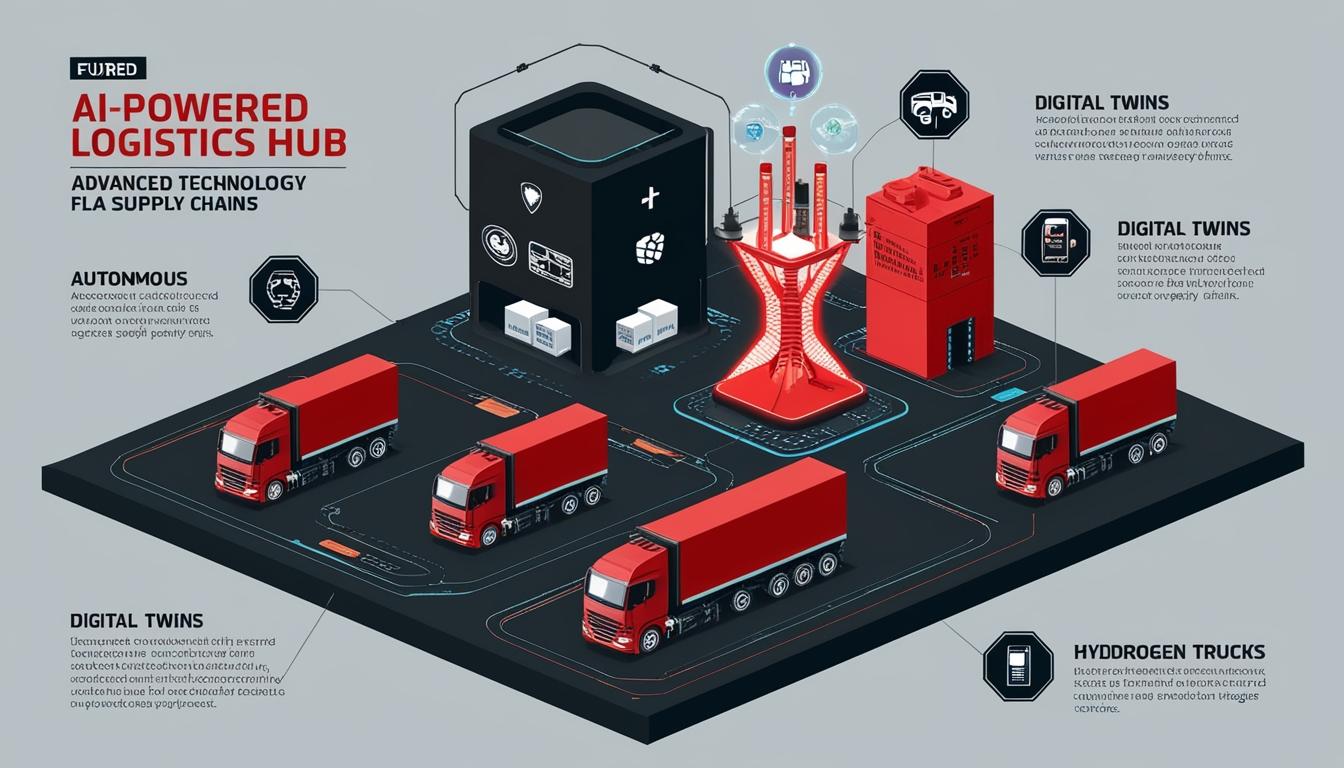
The integration of AI in logistics extends beyond M&A, encompassing a variety of applications that optimise operations. Logistics providers are increasingly turning to AI-powered platforms to enhance route planning and inventory management, in addition to implementing predictive analytics that yield substantial cost savings. The use of ‘digital twins’, or virtual models of supply chains, allows companies to simulate disruptions and test strategies, thereby streamlining operations. Moreover, enhanced digital freight platforms are expected to emerge, facilitating real-time connections between shippers and carriers and contributing to increased efficiency across all business sizes.
Cybersecurity remains a salient concern as the logistics industry becomes more digitised. With growing cyber threats, companies are called to invest in safeguarding sensitive data and maintaining the integrity of information systems. The potential risks were starkly highlighted in November 2024 when Blue Yonder, a key supply chain software provider, suffered a ransomware attack, significantly disrupting operations for major UK supermarket chains such as Morrisons and Sainsbury’s.
Sustainability is another imperative for the logistics sector, with organisations compelled to adopt greener practices to meet both regulatory requirements and consumer demand. The industry is witnessing a gradual transition toward electric vehicles and alternative fuel solutions, such as hydrogen. Notably, DHL has initiated trials of hydrogen trucks, reflecting a broader shift that is expected to gain momentum, dependent upon advancements in infrastructure and investment.
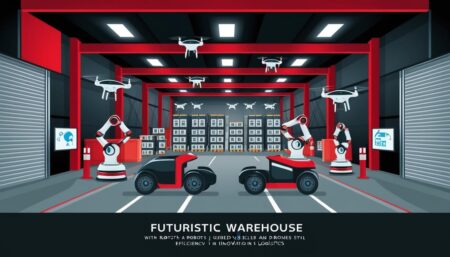
In light of labour shortages, logistics firms are tasked with implementing strategies to attract and retain skilled talent. This involves upskilling workers for roles that involve AI, robotics, and data analysis, which are becoming increasingly critical as technological transformation unfolds. Flexible working arrangements and enhanced safety protocols are necessary to address workforce challenges, particularly in warehousing and long-haul trucking. The deployment of autonomous vehicles and drones is anticipated to further alleviate the pressures of labour shortages.
The complexity of the modern logistics environment is compounded by geopolitical and economic uncertainties, necessitating resilience among businesses. Recent announcements from the incoming Trump administration regarding proposed tariffs of up to 25% on imports from Canada, Mexico, and China are poised to disrupt international trade and potentially exacerbate supply chain difficulties. This may drive businesses to diversify sourcing strategies and enhance their operational agility by integrating multiple transportation modes.
As e-commerce continues to surge, the logistics sector must adapt to increasingly demanding customer expectations, characterised by a desire for rapid, reliable, and sustainable delivery options. The establishment of micro-fulfilment centres aims to enable same-day deliveries, while innovations such as drones and autonomous robots are set to play a larger role in last-mile logistics.
In the backdrop of these shifts, the broader tech landscape is also experiencing significant changes fueled by AI advancements. Companies like Palantir Technologies Inc. and Salesforce Inc. are capitalising on the burgeoning demand for AI solutions. Palantir’s innovative capabilities in data management and analytics position it as a frontrunner in diverse sectors, while Salesforce is leveraging AI to enhance customer relationship management, resulting in anticipated growth in market share.
Apple Inc. too is poised to benefit from AI integration, enhancing the functionality of its devices and driving user engagement. Analysts expect this surge in AI adoption will propel these companies toward unprecedented growth in their respective markets.
As the logistics and technology sectors navigate this transformative period, the convergence of AI and operational strategies presents both opportunities and challenges. The successful entities will be those that adeptly integrate these technologies while remaining vigilant in addressing the accompanying security and ethical considerations. The journey ahead is marked by potential, with a changing landscape encouraging innovation and operational excellence.
Source: Noah Wire Services
- https://www.dcvelocity.com/articles/61452-ai-in-logistics-the-future-of-autonomous-logistics – Corroborates the use of AI in logistics for route optimization, inventory management, predictive maintenance, and enhancing customer service.
- https://aiola.com/blog/future-of-ai-in-logistics/ – Supports the application of AI in logistics for route planning, inventory management, and predictive analytics to reduce costs and enhance efficiency.
- https://www.atechlogistics.com/7-logistics-trends-that-will-be-even-more-important-in-2025/ – Highlights the increasing adoption of AI in logistics for optimizing operations, addressing supply chain disruptions, and improving last-mile delivery efficiency.
- https://straitsresearch.com/report/ai-in-logistics-market – Provides insights into the global AI in logistics market, including its growth and applications in streamlining order processing, inventory management, and supply chain operations.
- https://www.dcvelocity.com/articles/61452-ai-in-logistics-the-future-of-autonomous-logistics – Discusses the use of AI in logistics for predictive maintenance, asset monitoring, and the integration of AI with IoT devices to enhance operational coordination.
- https://aiola.com/blog/future-of-ai-in-logistics/ – Mentions key players like Amazon, UPS, and DHL using AI for various logistics advancements such as package sorting, route optimization, and predictive analytics.
- https://www.atechlogistics.com/7-logistics-trends-that-will-be-even-more-important-in-2025/ – Addresses the importance of sustainability in logistics, including the transition to electric vehicles and alternative fuel solutions like hydrogen.
- https://www.dcvelocity.com/articles/61452-ai-in-logistics-the-future-of-autonomous-logistics – Explains the role of AI in addressing labor shortages through the deployment of autonomous vehicles and drones in logistics.
- https://aiola.com/blog/future-of-ai-in-logistics/ – Highlights the need for cybersecurity in the logistics industry as it becomes more digitized, aligning with the concern over growing cyber threats.
- https://straitsresearch.com/report/ai-in-logistics-market – Supports the integration of AI in enhancing customer experience through streamlined order processing, inventory management, and supply chain operations.
- https://www.dcvelocity.com/articles/61452-ai-in-logistics-the-future-of-autonomous-logistics – Discusses the use of AI in last-mile delivery, including the application of drones and autonomous trucks to improve delivery speeds and reduce labor costs.
- https://news.google.com/rss/articles/CBMiygFBVV95cUxNSE12NkpWOG1aWG9nWE1adEtmdHJmUEY2NkVhMlhPcTdZY05kU2ZKMjVIclJKTkw5RTlDYUlDdVJJaGpzNDhfaFZWZ09iZDFtQmFWTkdtTjVnTXNTSWJoX3ZtMWRodi1mcUZrTHBwWVBNV0dyU2lWRUZ4d3VhR01vTmc5dHBqMzF1LUVrWEx3c1I1OFE1bUF0RHFNSGxOOUdlVTZzcngtU3lZYkt4UkY1NkxaYmo0cmpDV0l2V3NJYm96U2kwTlRBdkdn?oc=5&hl=en-US&gl=US&ceid=US:en – Please view link – unable to able to access data