






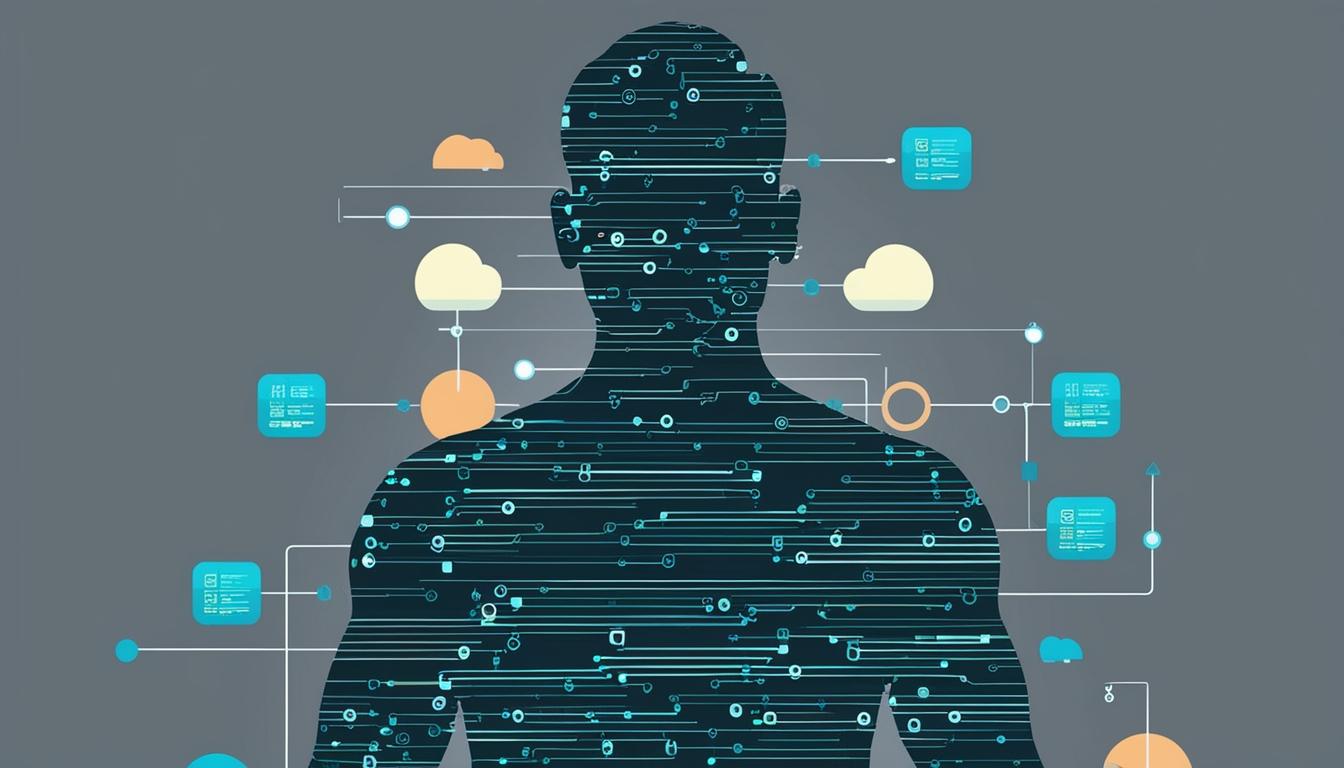
As AI continues to integrate into daily life, a new collection of essays explores the challenges it poses to human identity and autonomy, highlighting the need for a critical examination of our relationship with technology.
The advent and rapid development of artificial intelligence (AI) are raising profound questions across various domains of society, not only within the technological sphere but also in ethics, morality, and philosophical inquiries. As AI increasingly integrates into everyday life, there is growing discussion about its implications on health, law, military operations, work, politics, and even the essence of human identity.
In an upcoming publication titled “AI Morality”, edited by British philosopher David Edmonds and set to be released by Oxford University Press in 2024, a collection of essays from a philosophical task force delves into how AI is poised to transform daily life and the ethical dilemmas it will likely pose. Among these thought-provoking contributions is an essay by Muriel Leuenberger, a postdoctoral researcher at the University of Zurich, which examines the influence of AI on human identity and autonomy.
Leuenberger’s essay, “Should You Let AI Tell You Who You Are and What You Should Do?”, critically explores how AI systems—prominently featured in social media and dating apps—can construct sophisticated user profiles that often reveal more about individuals than they may know about themselves. AI systems leverage machine learning algorithms to interpret data from user activities such as communications, travel habits, media preferences, and consumption patterns, creating detailed psychological and behavioural profiles.
The capabilities of these systems to predict political inclinations, purchasing habits, and even potential mental health concerns raise significant concerns about trust and agency. Leuenberger questions the extent to which we can or should trust these AI-generated recommendations and profiles. Given that many AI systems have demonstrated biases reflective of their training data—sometimes reinforcing racial and sexist prejudices—blind trust is cautioned against. Moreover, the so-called “black box” nature of these systems means that users cannot easily inspect or understand how recommendations are generated, nor interrogate the system as one might a friend to gauge the trustworthiness of their advice.
Leuenberger further argues that relying on AI to define personal identity and dictate life decisions undermines the existential view that identity is self-created rather than discovered. Known for his existentialist philosophy, Jean-Paul Sartre posited that human beings are free to define themselves without predetermined essence. This dynamic and autonomous creation of self-identity is jeopardised when individuals outsource the responsibility of self-definition to AI systems.
The essay discusses how AI’s role as an external arbiter could hinder personal growth and self-discovery. By consistently yielding personal decision-making to AI, individuals might diminish their capacity for self-reflection and identity formation, effectively allowing technology to dictate their personal development and worldviews. Such reliance might result in a calcified identity, as AI suggestions reinforce and perpetuate an individual’s existing preferences and characteristics, which could gradually steer them into conforming with the AI’s initial predictions.
This potential identity crisis highlights the ethical considerations of AI integration into personal decision-making processes. The essay suggests that while technological advancements offer unprecedented insights, there is a risk of losing individual agency over personal growth and identity curation. It brings to light the debate surrounding the balance between leveraging intelligent systems for beneficial insights while preserving the autonomy to shape one’s own identity and life narrative.
As the narrative around AI continues to evolve, these discussions provide valuable perspectives on the intersection of technology and human identity, urging a deeper understanding of our relationship with rapidly advancing AI systems.
Source: Noah Wire Services







