









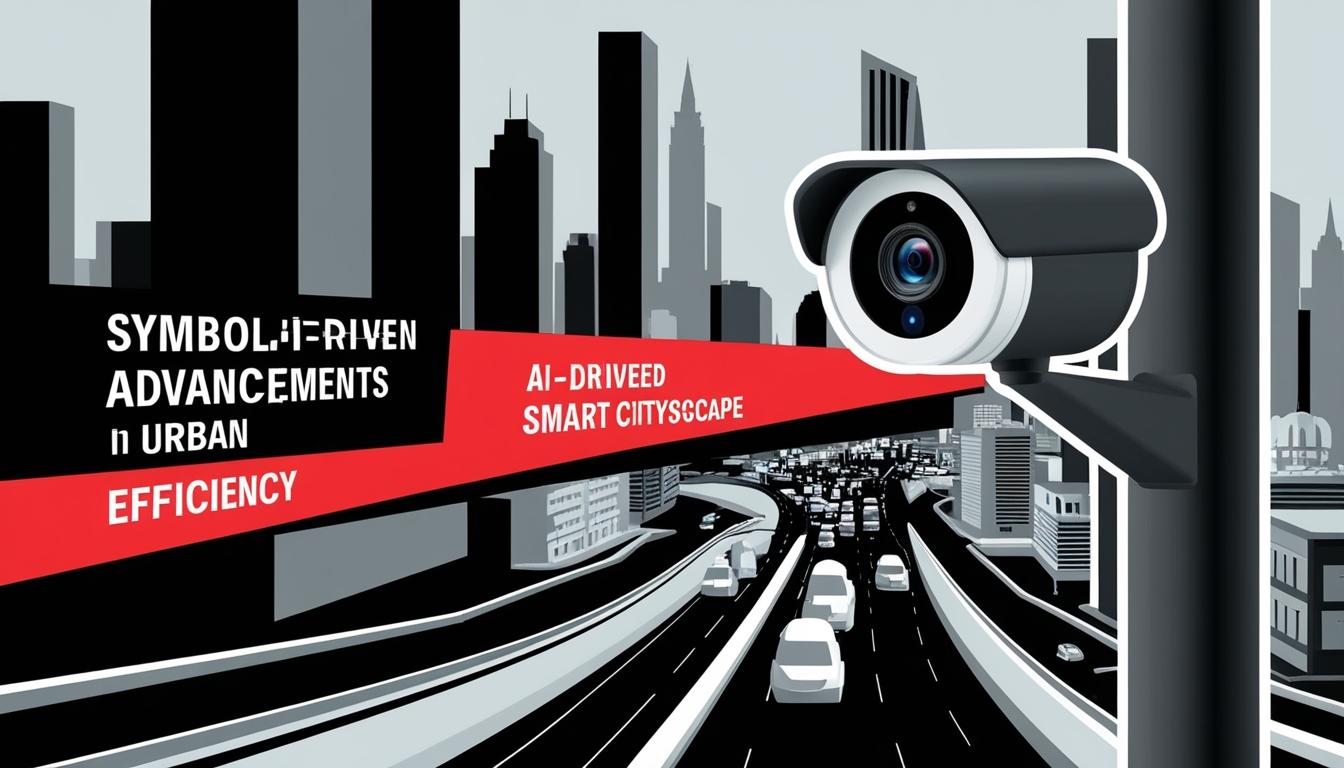
Nigeria is leading the way in smart city innovations, leveraging AI and IoT to enhance urban living through improved transportation, safety, and data management.
The advancement of artificial intelligence (AI) and emerging technologies is catalysing the transformation of urban environments around the world, with Nigeria becoming a notable example of how smart city innovations can enhance urban living. The integration of Internet of Things (IoT) devices, AI, and deep learning (DL) techniques is reshaping how urban areas operate, addressing various challenges faced by cities, including traffic congestion, public safety concerns, and inefficient services.
The shift towards smart cities relies heavily on information and communication technologies aimed at improving operational efficiencies, disseminating information to the public, and enhancing the quality of services provided by local authorities. This introduces a range of enhancements for residents, including smarter public transportation systems that utilise real-time monitoring to track routes and locations of vehicles. Such innovations lead to quicker service times, reduced traffic congestion, and lower waiting times for users, thus improving overall urban mobility.
In addition to improving transport services, the security aspects of smart cities have come under greater focus. The use of AI-powered ‘smart video’ technology—comprised of sophisticated cameras that employ algorithms and deep learning techniques—allows for the real-time analysis of visual data. This enables quick decision-making processes, often faster than human response times, to mitigate risks and enhance public safety. For instance, smart video can analyse traffic patterns and automatically adjust traffic signals, improving vehicle flow while ensuring pedestrian safety.
The role of smart video extends to crime prevention as well. By deploying AI-enabled cameras, businesses can safeguard their premises against theft and monitor various incidents involving employees and customers alike. Beyond retail, the comprehensive analytic capabilities of smart video enable cities to distinguish between various objects in real-time, providing alerts about prohibited activities or situations, thus reinforcing public safety measures.
The technical process behind smart video is defined by its capacity to learn and identify specific actions and objects. The use of advanced video resolution technologies, such as 4K, has greatly enhanced the ability of smart cameras to collect and analyse large volumes of data. This shift suggests a move from traditional, centralised data processing to a decentralised model where on-board AI chips allow for rapid local analysis, suitable for the expansive infrastructure of smart cities.
As smart video technology evolves, the demand for substantial storage solutions is evident. Effective storage is pivotal in managing the intricacies associated with high-resolution, densely populated video data streams collected from numerous sources, such as body-mounted, dashboard, and various IoT devices. Companies like Western Digital have responded to this demand with storage technologies specifically tailored for video capture and surveillance in smart city applications. Their WD Purple Pro line, characterised by robust performance and high capacity, is designed to address the requirements presented by enhanced video monitoring and AI functionalities.
These drives are engineered for constant operation and high endurance, essential for maintaining demanding workflows associated with AI-driven systems. They integrate AllFrame™ AI technology, allowing them to handle multiple high-definition video streams and provide advanced analytical capabilities necessary for comprehensive surveillance solutions.
As AI technologies advance, video management systems (VMS) and network video recorders (NVRs) are also evolving to meet higher analytical demands. These innovations enable functionalities such as advanced object detection, the ability to sift through weeks of footage to locate specific images, and the creation of visual heat maps based on gathered data, thus enhancing operational efficiencies across various sectors in smart cities.
In summary, the intersection of AI and smart city infrastructure in Nigeria is exemplifying a significant shift in how urban environments function. This transition encapsulates advancements in public safety, transportation, and data management, reliant on sophisticated storage solutions to handle the heavy loads associated with numerous video feeds and smart technologies. As cities increasingly adopt these innovations, the narrative surrounding urban living will continue to evolve, influenced by the integration of cutting-edge technology into everyday life.
Source: Noah Wire Services
- https://nannews.ng/2024/07/24/firm-unveils-strategic-roadmap-for-abuja-smart-city-project/ – This article supports the claim that Nigeria is transforming its urban environments into smart cities, highlighting the Abuja Smart City Project and its focus on digitalizing services and using data analytics.
- https://www.marketopportunities.fi/home/2024/smart-city-technology-in-nigeria.-market-report-on-opportunities-and-partnerships-for-finnish-companies?type=business-opportunity&industry=communications-and-mobility – This report corroborates the integration of smart technologies in Nigerian cities, including advancements in smart grid technologies, public safety, and urban mobility, and highlights opportunities for international partnerships.
- https://punchng.com/nigeria-us-to-partner-on-smart-city-development/ – This article supports the collaboration between Nigeria and the United States on smart city development, emphasizing the use of advanced technology and data analytics to improve urban living.
- https://www.thisdaylive.com/index.php/2024/09/11/kadunas-smart-city-project/ – This article details the Kaduna State Smart City Project, which includes enhancements in security, transportation, and public services through the use of smart technologies and data analysis.
- https://smartafrica.org/three-social-media-hacks-for-the-busy-entrepreneur/ – Although this link is not directly relevant, the broader context of smart city initiatives in Africa, as discussed in other parts of the Smart Africa website, supports the adoption of smart city technologies across the continent, including Nigeria.
- https://nannews.ng/2024/07/24/firm-unveils-strategic-roadmap-for-abuja-smart-city-project/ – This article explains how smart city initiatives in Abuja are addressing traffic congestion and public safety concerns through the use of technology and data analytics.
- https://www.marketopportunities.fi/home/2024/smart-city-technology-in-nigeria.-market-report-on-opportunities-and-partnerships-for-finnish-companies?type=business-opportunity&industry=communications-and-mobility – The report highlights the importance of smart transportation systems and real-time monitoring in improving urban mobility in Nigerian cities.
- https://punchng.com/nigeria-us-to-partner-on-smart-city-development/ – This article discusses the role of AI and data analytics in enhancing public safety and streamlining public services in smart city initiatives in Nigeria.
- https://www.thisdaylive.com/index.php/2024/09/11/kadunas-smart-city-project/ – The Kaduna Smart City Project involves the use of AI-enabled cameras and smart video technology for crime prevention and public safety, aligning with the article’s claims.
- https://www.marketopportunities.fi/home/2024/smart-city-technology-in-nigeria.-market-report-on-opportunities-and-partnerships-for-finnish-companies?type=business-opportunity&industry=communications-and-mobility – The report mentions the need for advanced storage solutions to manage the data from various IoT devices and smart technologies, supporting the claim about substantial storage demands in smart cities.
- https://nannews.ng/2024/07/24/firm-unveils-strategic-roadmap-for-abuja-smart-city-project/ – This article underscores the importance of data and advanced technologies in managing and governing city infrastructure, aligning with the broader narrative of smart city development in Nigeria.






