









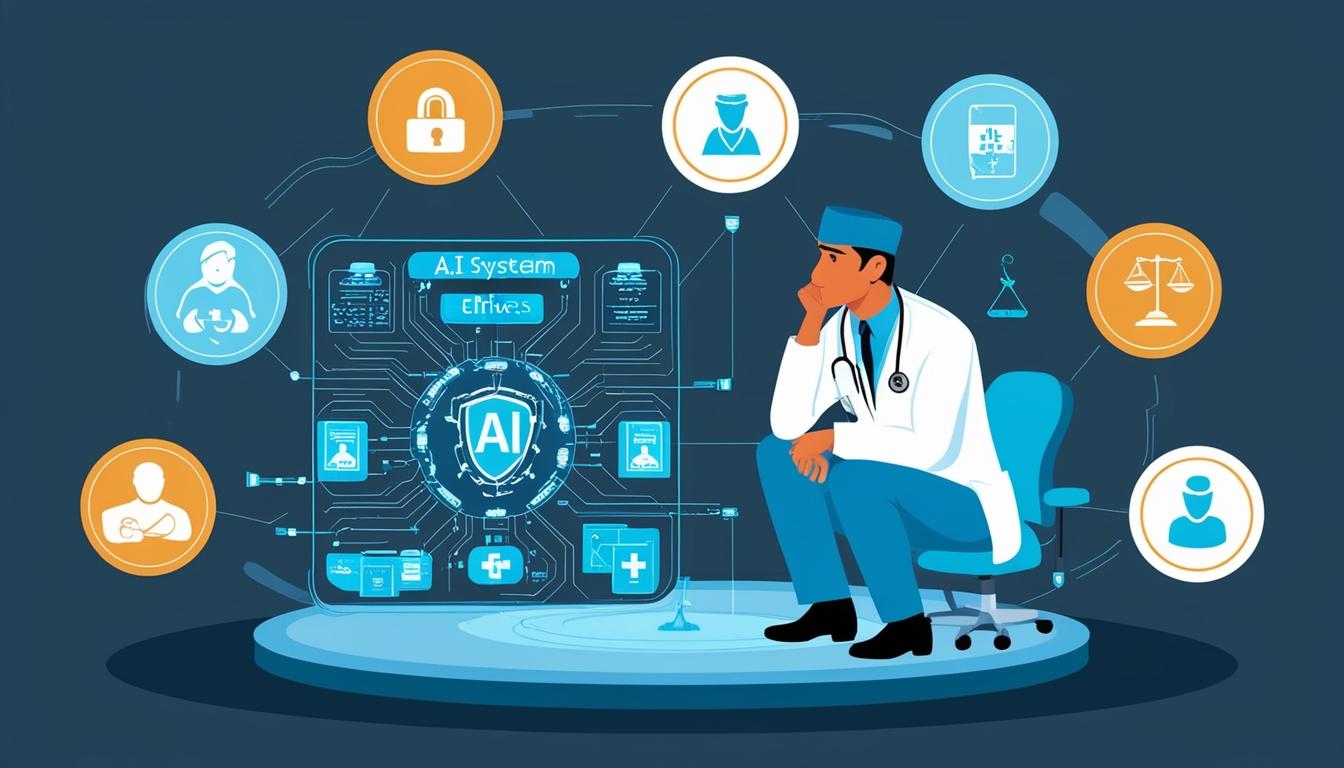
A recent evaluation reveals the healthcare sector lags in AI maturity due to significant ethical and privacy concerns, highlighting the need for greater trust and educational initiatives.
Healthcare Sector Faces Challenges in AI Adoption Due to Ethical and Privacy Concerns
A recent evaluation using BSI’s International AI Maturity Model has highlighted significant challenges faced by the healthcare sector in adopting advanced artificial intelligence (AI) technologies. The model, designed to assess readiness for AI integration across various sectors, revealed that the healthcare industry scored the lowest in maturity compared to six other sectors. Central to this lag are concerns about ethics, privacy, and a fundamental lack of trust.
While other investment-intensive regions and industries may seem ahead in their AI journey, they too encounter substantial obstacles on their path to achieving AI maturity. This suggests there is an opportunity for the healthcare sector to progress thoughtfully, integrating AI with essential considerations, particularly around data protection and privacy.
Privacy Concerns in U.S. Healthcare
Patient data protection remains a significant area of focus in U.S. healthcare, governed by strict regulatory frameworks aimed at safeguarding personal information. These regulations, such as the Health Insurance Portability and Accountability Act (HIPAA), pose additional considerations for AI deployment, as AI systems tend to rely on extensive patient datasets. The concern over data handling is underscored by recent BSI research findings that less than one-fifth (18%) of healthcare organizations have conducted AI risk assessments. This is in stark contrast to sectors like life sciences and pharmaceuticals, where nearly half (46%) have such measures in place.
Building Trust to Enhance AI Acceptance
For AI adoption to gain momentum in healthcare, establishing trust is paramount. This involves instituting clear and ethical guidelines that govern AI use. By focusing on transparency, accountability, and ethical practices, healthcare providers can ensure AI technologies are aligned with patient safety priorities. At present, only 36% of healthcare leaders indicate their organizations are instituting policies for the ethical use of AI, highlighting the urgency for more robust governance frameworks.
Adhering to established regulations not only augments trust but also reaffirms AI’s role as a supportive tool rather than a decisive instrument in patient care. While AI can provide valuable data-driven insights, it is vital that decision-making remains firmly in human hands.
The Role of Education and Workforce Development
Education is critical in facilitating AI integration within healthcare. There is a need for AI models to be both explainable and interpretable to ensure clinicians and patients understand the basis of AI-driven outcomes. This clarity can help foster confidence in the technology.
However, the healthcare sector currently falls short in offering extensive educational resources, with only 17% of leaders providing learning and development programmes to support AI training, according to BSI. Expanding these educational initiatives is crucial in preparing the workforce for the coming AI transformation.
The Road Ahead
As healthcare stands on the brink of a significant technological overhaul powered by AI, achieving readiness similar to other sectors remains a complex task. Progress will require a multifaceted approach, focusing on compliance with regulations, establishing ethical standards, and enhancing educational programmes. In doing so, the healthcare sector can harness AI’s full potential to redefine patient care.
Source: Noah Wire Services






