









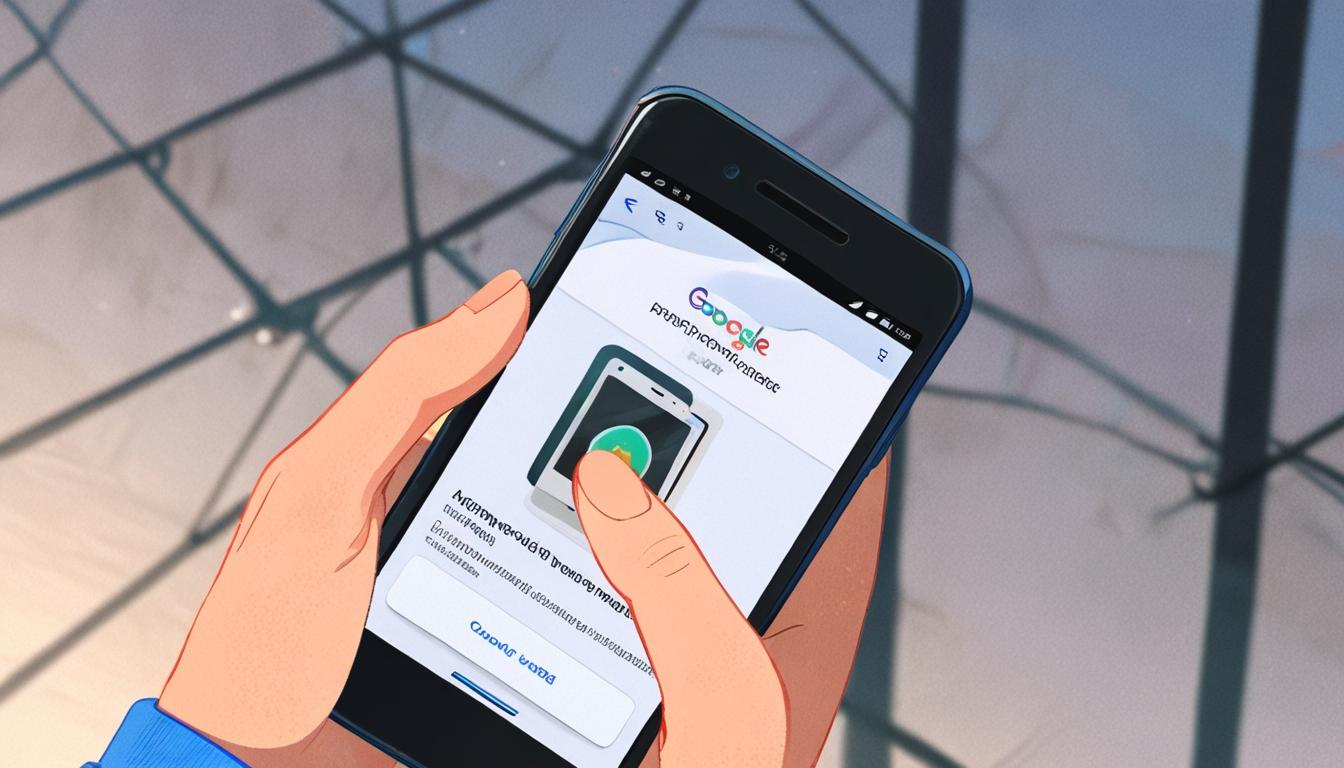
In response to rising concerns over mobile phone theft, Google unveils new security features including Theft Detection Lock and Remote Lock, aimed at safeguarding users’ devices and data.
Google has begun the rollout of a series of innovative security features designed to tackle mobile phone theft. Among these is the AI-driven Theft Detection Lock, which utilises the device’s sensors to identify when a phone is forcibly taken and automatically locks the screen to safeguard access and data.
Accompanying this feature is the Remote Lock tool, which allows users to secure their device using only their phone number, a significant advantage when unable to recall their Google account details immediately after a theft. This set of tools is part of Android 15, the latest version of Google’s operating system, officially launching the features to users worldwide.
The introduction of these security measures follows rising concerns and reports around mobile phone theft. The decision to enhance security features was influenced by feedback from Google’s personnel and users in cities like Sao Paolo, Brazil, and London, where theft incidents have been notably high. Notably, data highlights that in Brazil, approximately 97 phones are stolen every hour, and in London, a phone is reported stolen every six minutes.
Google’s efforts extend beyond Theft Detection Lock and Remote Lock. With an Offline Device Lock, the phone locks if it remains offline for a significant time, interfering with any attempt to use the device without internet connectivity. This preventative measure counters tactics thieves use, such as trying to bypass remote wiping systems.
Remote Lock also empowers users by providing the ability to lock their phone remotely through android.com/lock, even in the absence of their Google account password. However, this feature raised concerns about potential misuse, as bad actors could exploit the system to play pranks or create inconvenience by locking others’ devices. In response, Google plans to introduce a Security Challenge, providing another layer of verification through a significant date, thus refining the Remote Lock feature to prevent misuse.
Furthermore, the rollout of these features is facilitated by an update to Google Play Services, reaching most devices running Android 10 and above. Google has also announced plans for Identity Check, an additional security measure requiring biometric authentication for significant account changes, intended to amplify protection and maintain the integrity of user data.
Amidst these security enhancements, Google continues to expand their range of technological upgrades in their devices. In its most recent Pixel feature drop, users of Pixel phones and other Google products received various updates, spanning audio control features, enhanced photography capabilities, and adjustments to device interaction, alongside the security improvements aimed at reducing phone theft.
These developments collectively aim to reduce the appeal of Android phones to thieves and to reassure users regarding the security of their sensitive data. As technology becomes more central to personal and financial information storage, these updates are designed to address the increasing sophistication of theft methods and to offer enhanced protection solutions.
Source: Noah Wire Services






