







Researchers Meredith Morris and Jed Brubaker are investigating how generative AI can bridge the gap between the living and the deceased, raising both possibilities and ethical considerations in the realm of digital mourning.
In Seattle, the intersection of artificial intelligence (AI) and the mourning process is being explored in a novel way by researchers Meredith Morris and Jed Brubaker. What began as an unconventional attempt to inform her children about the demise of a family chicken has evolved into a broader exploration of digital afterlife and how AI might serve as a bridge between the living and the deceased.
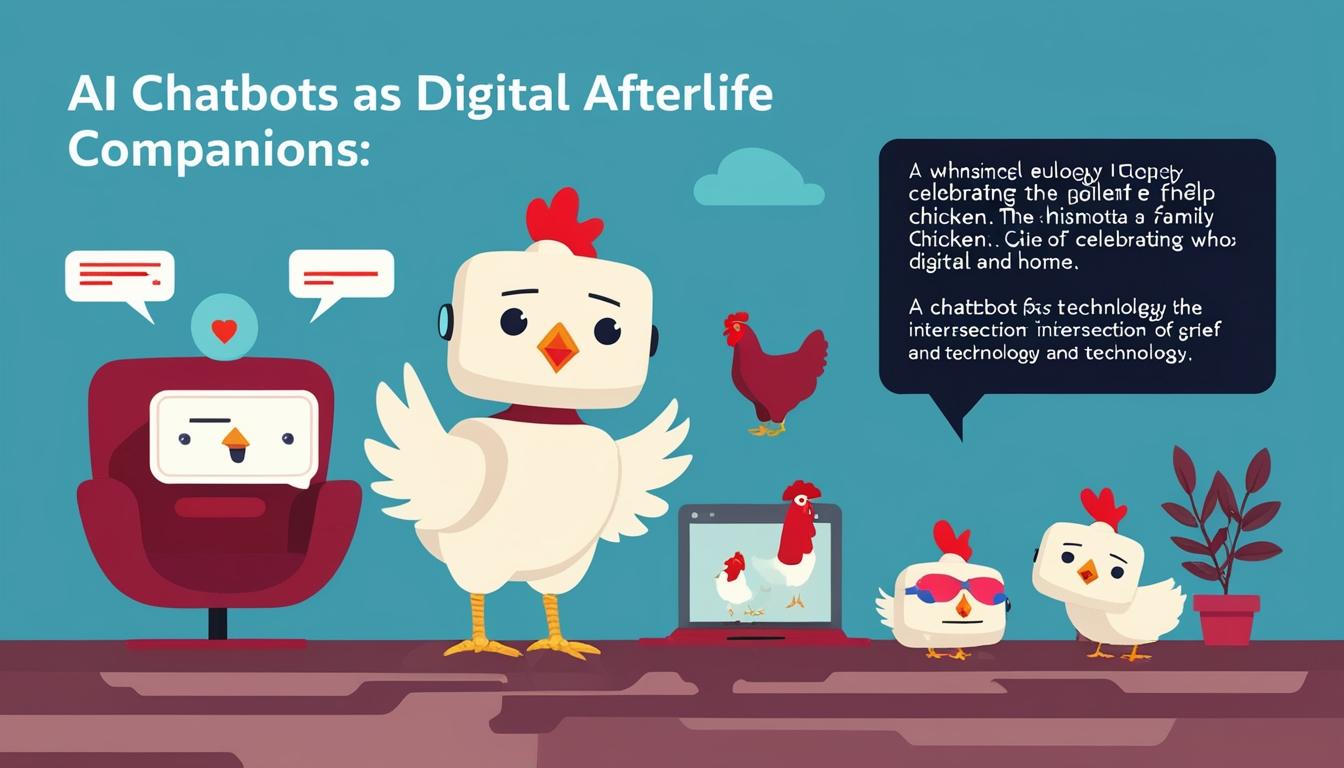
Meredith Morris, an AI interaction expert at Google, faced a peculiar challenge in breaking the news of the family’s chicken, whimsically named Amelia Eggheart, falling prey to a coyote. Seeking a creative solution, Morris used a generative AI program to craft a humorous eulogy in the form of a stage play, complete with lighting directions for the fictional tribute. This experiment sparked a broader discussion with Jed Brubaker, a University of Colorado Boulder professor, about the potential of AI to shape the way we remember and interact with our departed loved ones.
The duo, backed by a $75,000 grant from Google, is keen to delve deeper into the implications and possibilities of what they term “generative ghosts”—AI chatbots rooted in the digital footprints left by the deceased. These chatbots offer a means for the living to engage posthumously with their loved ones’ data, such as emails, text messages, and social media posts, effectively mimicking their speech and persona.
“This area of study is ripe with both potential benefits and ethical considerations,” Brubaker noted. His interest in the intersection of technology and bereavement began 15 years prior, driven by personal reflections following his grandfather’s death. He envisaged alternative memorial experiences, where virtual reality or AI could offer more immersive narrative encounters with those who have passed away, akin to interfacing with interactive social media memories.
Brubaker recognises that as AI capabilities become mainstream, the ability to converse with digital likenesses of the deceased are not just a theoretical possibility, but a burgeoning industry. Companies like Seance AI and Replika have already introduced platforms enabling digital interactions with AI versions of deceased individuals, promoting ongoing connections and emotional catharsis.
The ethical dimensions and psychological implications of such technology remain a focal point of the research. Ashley Harvey, a former grief counselor and academic at Colorado State University, discusses with students the potential of generative ghosts to maintain emotional bonds post-mortem. Yet, she cautions against technology potentially hindering crucial grieving processes, such as the acceptance of death and adjusting to its reality. Harvey’s students often express scepticism, concerned about the perceived lack of human essence in digital representations.
Brubaker acknowledges these concerns but believes the ongoing discourse and research can lead to a balanced assimilation of such technologies. Of particular interest to the research funded by the Google grant is assessing how these AI entities should behave—whether they should remain static re-creations or evolve over time—and determining the appropriateness of their interactions, such as through notifications or reminders.
In essence, Morris and Brubaker’s research could illuminate paths for ethically integrating technology in mourning practices, while respecting individuals’ need for control over their bereavement experiences. They aim to ensure that these digital extensions of departed loved ones enhance rather than hinder the human experience of grief and remembrance. With entire industries forming around these innovations, the researchers are committed to guiding their development in a thoughtful and user-centred manner.
Source: Noah Wire Services







