









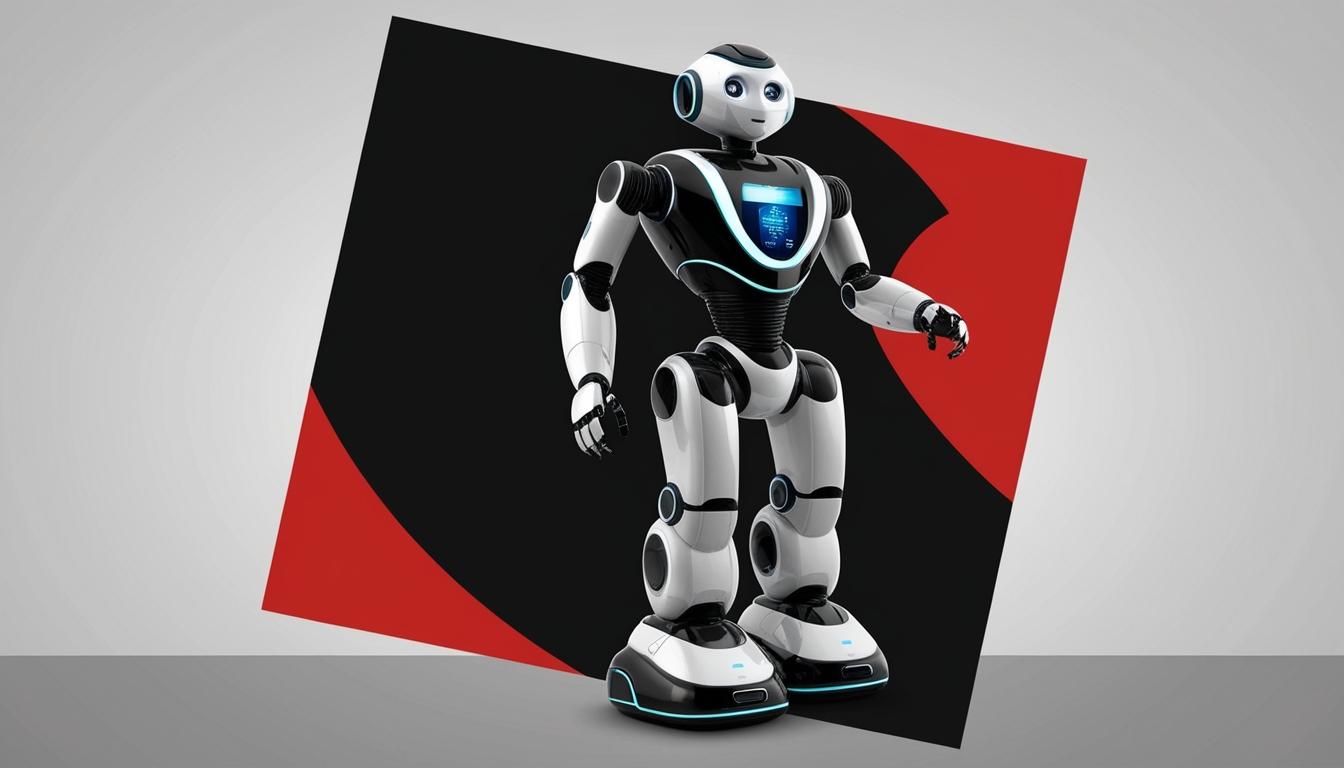
The entertainment robots market is projected to grow from USD 11.22 billion in 2021 to USD 60.07 billion by 2029, driven by advancements in robotics and AI.
The entertainment robots market is experiencing significant growth and transformation, driven by advancements in robotics and artificial intelligence (AI). These innovative machines, designed to entertain, educate, and interact with users, have found applications in personal, commercial, and even therapeutic settings, marking a substantial evolution in how technology is integrated into leisure activities.
Valued at approximately USD 11.22 billion in 2021, the entertainment robots market is projected to surge to USD 60.07 billion by 2029, reflecting a remarkable compound annual growth rate (CAGR) of 23.33% during this period. This escalation underscores a pivotal shift towards increasing interactivity in technology, which has become an integral part of everyday life.
The journey of entertainment robots began with mechanical toys and rudimentary robotic systems in the late 20th century. However, the market has evolved considerably in recent decades due to advancements in various technologies, such as AI, machine learning, and enhanced sensor systems. Today’s entertainment robots possess sophisticated features including lifelike movements, advanced voice recognition, and the ability to learn from user interactions, allowing them to mimic human behaviours and even recognise emotions.
Several notable trends are currently shaping the market. One of the most prominent is AI-driven interaction. Modern entertainment robots utilise advanced algorithms enabling them to create more meaningful and engaging interactions with users. This trend is evident in the growing popularity of AI-powered pet simulators and humanoid companions among tech-savvy consumers.
Personalisation has also become a key focus for manufacturers who are keen to enhance the user experience by offering customizable features. Robots that adapt to user preferences are increasingly common, creating tailored entertainment experiences.
The integration of augmented reality (AR) into entertainment robotics is another transformative trend. AR-enabled robots provide immersive experiences that merge physical and digital environments, particularly beneficial in gaming and educational sectors. In a parallel vein, sustainability is gaining traction with companies prioritising eco-friendly practices; energy-efficient systems and recyclable materials are becoming common in the production of these robots.
The demand for entertainment robots is being propelled by several factors. Rising disposable incomes and an increasing preference among consumers for luxury gadgets have broadened the market’s customer base. The adoption of robotics in educational contexts to enhance student engagement is also a significant contributor to market growth. Furthermore, as the cost of manufacturing robotics components declines, these products are becoming more accessible to a larger segment of the population.
Technological advancements, particularly in AI and machine learning, are crucial to this growth. Companies are investing heavily in research and development (R&D) to create groundbreaking products that cater to a wide audience. Robotic pets are gaining traction with families for their dual role as companions and entertainers, while humanoid robots are making their mark as central fixtures in live events and exhibitions.
The applications of entertainment robots cover a broad spectrum. In personal settings, robotic pets and companions serve as engaging sources of entertainment and companionship for children and the elderly. Commercially, theme parks, shopping malls, and theatres employ these robots to attract patrons, utilising them for live performances, customer assistance, and audience interaction, thereby enhancing overall visitor engagement.
Educational institutions are increasingly integrating interactive robots into their curriculums. These systems not only teach subjects like coding and mathematics but also make learning engaging and dynamic through interactive storytelling and activities.
Therapeutic applications of entertainment robots highlight their emotional and social benefits, particularly for individuals with autism or dementia. Meanwhile, the gaming industry is incorporating robots to deliver real-time, interactive experiences, capturing a rapidly growing niche market.
The expansion of the entertainment robots market reflects broader trends in consumer technology, indicating a future where interactive and engaging robotics will play a crucial role across various sectors.
Source: Noah Wire Services
- https://provenrobotics.ai/entertainment-robots-market/ – Corroborates the valuation of the entertainment robots market in 2021 and its projected growth to 2029, as well as the role of AI and machine learning in enhancing user interactions.
- https://straitsresearch.com/report/entertainment-robots-market – Supports the growth projections of the entertainment robots market, the impact of AI and ML, and the market’s segmentation by region and application.
- https://www.giiresearch.com/report/ksi1557389-entertainment-robot-market-forecasts-from.html – Provides details on the market size and growth rate, the integration of autonomous technologies, and the challenges faced by the entertainment robot market.
- https://www.knowledge-sourcing.com/report/entertainment-robot-market – Corroborates the market size and growth rate, the role of AI and autonomous technologies, and the segmentation of the market by type and geography.
- https://provenrobotics.ai/entertainment-robots-market/ – Details the evolution of entertainment robots, their advanced features, and their applications in personal, commercial, and therapeutic settings.
- https://straitsresearch.com/report/entertainment-robots-market – Supports the trend of AI-driven interaction and the growing popularity of AI-powered pet simulators and humanoid companions.
- https://www.giiresearch.com/report/ksi1557389-entertainment-robot-market-forecasts-from.html – Highlights the importance of personalization and customization in enhancing user experience and the role of AR in providing immersive experiences.
- https://www.knowledge-sourcing.com/report/entertainment-robot-market – Discusses the factors driving demand, including rising disposable incomes and the adoption of robotics in educational contexts.
- https://provenrobotics.ai/entertainment-robots-market/ – Explains the applications of entertainment robots in theme parks, shopping malls, and theatres, as well as their therapeutic benefits.
- https://straitsresearch.com/report/entertainment-robots-market – Details the integration of interactive robots in educational institutions and their therapeutic applications, especially for individuals with autism or dementia.
- https://www.marketsandmarkets.com/Market-Reports/humanoid-robot-market-99567653.html – Supports the expansion of the entertainment robots market into various sectors, including healthcare, retail, and manufacturing, driven by advancements in AI and ML.






