






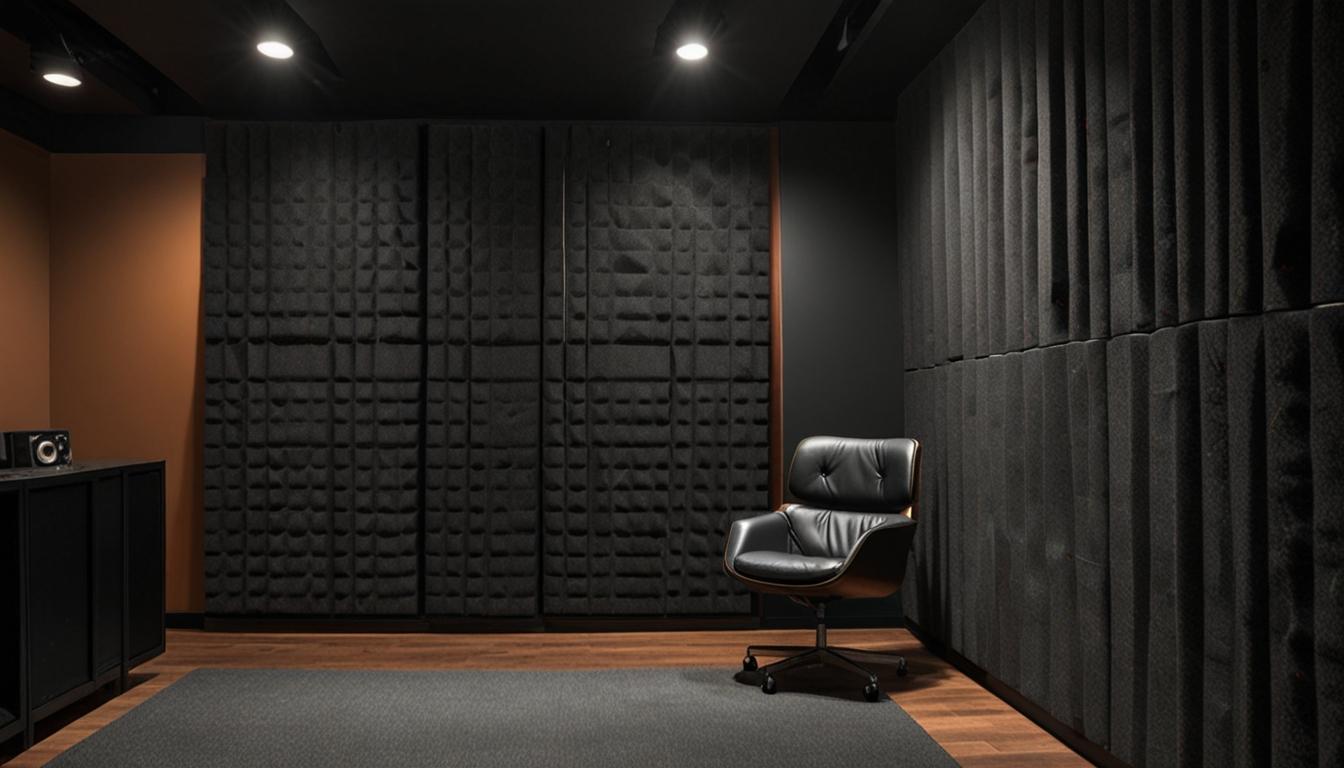

Learn how optimal recording environments, high-quality equipment, and post-processing techniques can significantly enhance audio quality and reduce background noise.
Effective Strategies to Reduce Background Noise from Audio Recordings: Insights from ElevenLabs
Achieving clear and professional-quality audio is a nuanced task that goes beyond merely selecting the right software or hardware. According to reliable insights from ElevenLabs, a combination of best recording practices and post-processing techniques can significantly enhance sound quality by reducing background noise.
Optimal Recording Environment
One of the simplest yet most effective strategies for improving audio quality is choosing the right recording environment. Recording in a quiet space, away from high traffic areas, machinery, or other sources of unwanted noise naturally reduces background interference. This method requires no additional equipment and provides a solid foundation for clean audio recordings.
When such optimal conditions are not available, soundproofing the recording space becomes a practical solution. Soundproofing materials like foam panels, curtains, or blankets can absorb unwanted sound and prevent echoes. Although the investment in these materials can be costly and their installation effort-intensive, the significant improvement in noise reduction and sound quality often justifies the expense and effort.
High-Quality Equipment
Utilising high-quality recording equipment is another vital strategy. Microphones with noise-canceling capabilities tend to capture more precise and clearer audio. Despite their higher cost and the need for proper setup, these microphones are known for their durability and reliability, making them a valuable long-term investment.
In addition to microphones, accessories such as pop filters and windshields can further mitigate unwanted sounds. Pop filters help reduce plosive sounds—those sudden bursts of air that hit the microphone when pronouncing ‘p’ and ‘b’ sounds—while windshields are essential for minimizing impact from wind noise during outdoor recordings. These accessories are typically affordable and straightforward to attach, though their standalone noise reduction capabilities are somewhat limited.
Post-Processing Techniques
Once the recording phase is complete, applying post-processing techniques can greatly enhance audio quality. Noise reduction filters in editing software like Audacity, Adobe Audition, or ElevenLabs’ own voice isolator are effective tools. These filters allow users to fine-tune settings to achieve optimal noise removal. However, it should be noted that this process can be time-consuming and demands a certain level of familiarity with the software.
Manual editing is another post-processing method that can yield precise control over noise removal. By carefully editing out specific segments of noise, users can improve the audio quality significantly. Despite its effectiveness, manual editing is labour-intensive and requires meticulous attention to detail.
Monitor and Adjust Input Levels
Achieving the correct recording device’s input levels is crucial for preventing audio distortion and optimizing sound clarity. Monitoring input levels in real-time, for example by wearing headphones during recording, can help in detecting unwanted background noise instantaneously. While this practice can be uncomfortable during long recording sessions, it ensures that immediate adjustments can be made to enhance the audio quality.
Conclusion
By integrating these best practices—selecting appropriate recording environments, investing in high-quality equipment, and applying meticulous post-processing techniques—content creators can substantially reduce background noise and produce audio recordings of professional calibre. By following the strategies outlined by ElevenLabs, anyone can achieve cleaner and more precise audio for their projects, regardless of their recording environment or budget.
Source: Noah Wire Services







